

Kirjailija
William Dean Howells
Kirjat ja teokset yhdessä paikassa: 1 474 kirjaa, julkaisuja vuosilta 1982–2026, suosituimpiin kuuluu Emile Zola. Vertaile teosten hintoja ja tarkista saatavuus suomalaisista kirjakaupoista.
1 474 kirjaa
Kirjojen julkaisuvuodet: 1982–2026.

Roman Holidays, and Others
William Dean Howells
Createspace Independent Publishing Platform
2015
nidottu

Christmas Every Day and Other Stories
William Dean Howells
Createspace Independent Publishing Platform
2015
nidottu


Roman Holidays and Others
William Dean Howells
Createspace Independent Publishing Platform
2015
nidottu





Christmas Every Day and Other Stories
William Dean Howells
Createspace Independent Publishing Platform
2015
nidottu

Through the Eye of the Needle
William Dean Howells
Createspace Independent Publishing Platform
2015
nidottu


A Psychological Counter-Current in Recent Fiction
William Dean Howells
Createspace Independent Publishing Platform
2015
nidottu

Through the Eye of the Needle: A Romance
William Dean Howells
Createspace Independent Publishing Platform
2015
nidottu
The Rise of Silas Lapham
William Dean Howells
Createspace Independent Publishing Platform
2015
nidottu




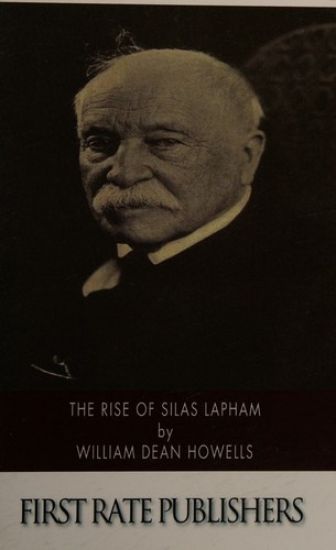
The Rise of Silas Lapham
William Dean Howells
Createspace Independent Publishing Platform
2014
nidottu
Known as "The Dean of American Letters", William Dean Howells (1837-1920) was a realist author and literary critic best known for his tenure as one of the most influential editors of the Atlantic Monthly, which is still an important publication today. And though Howells is known mostly for his work as a literary critic, he was also a novelist who wrote works like The Rise of Silas Lapham, Christmas Every Day, and much more. Along the way, he was a literary critic of the works of some of his greatest contemporaries, like Emile Zola, and he knew many American writers, including Mark Twain, Henry James, and Henry Wadsworth Longfellow. Perhaps his most famous novel, The Rise of Silas Lapham is Howells's somewhat cynical take on the "rags to riches" story that was popularized by Horatio Alger Jr. in the late 19th century. The title character has to overcome what society deems his lower class standing.