
Kirjojen hintavertailu – 12 903 725 kirjaa ja 27 kauppaa

Kirjailija

William Gavin

Kirjat ja teokset yhdessä paikassa: 2 kirjaa, julkaisuja vuosilta 1992–2011, suosituimpiin kuuluu William James Reinstatement. Vertaile teosten hintoja ja tarkista saatavuus suomalaisista kirjakaupoista.

2 kirjaa

Kirjojen julkaisuvuodet: 1992–2011.

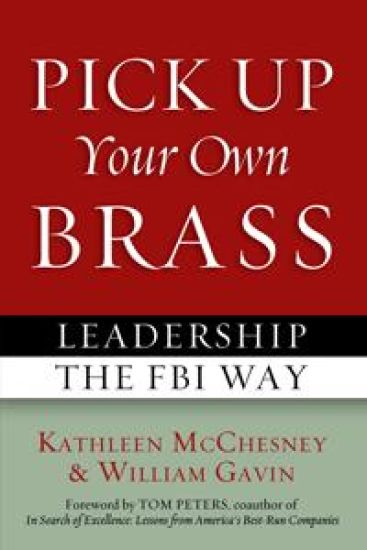
Pick Up Your Own Brass

Pick Up Your Own Brass

Kathleen McChesney; William Gavin; Tom Peters

Potomac Books Inc
2011
pokkari
In FBI terms, leaders who pick up their own brass casings at the firing range are more effective than those who expect someone else to do it for them. To those at the bureau, this small action speaks louder than words and is largely indicative of a person's overall management style. Through a host of real-life FBI stories, from the streets to the corner offices, Pick Up Your Own Brass: Leadership the FBI Way reveals the leadership qualities that have enabled the bureau to successfully navigate through a century of war, espionage, organized crime, terrorism, fraud, and corruption. Offering fifty essential leadership lessons based on challenges that FBI officials have faced over the course of their careers, this book can help anyone—established leaders, aspiring leaders, minority leaders, and even "accidental executives" who find themselves managing more than they imagined—build a culture of leadership.
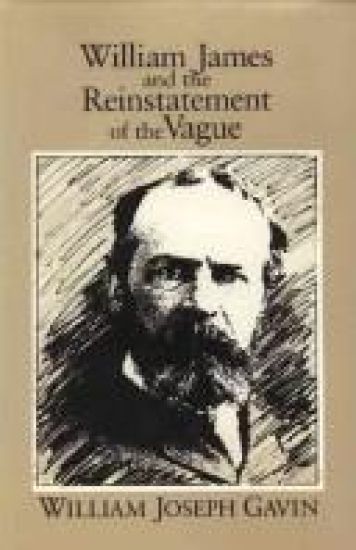
William James Reinstatement

William James Reinstatement

William Gavin

Temple University Press,U.S.
1992
sidottu
Recently, the work of philosopher-psychologist William James has undergone something of a renaissance. In this book, William Gavin argues that James's plea for the "reinstatement of the vague" to its proper place in our experience should be regarded as a seminal metaphor for this thought in general. The concept of vagueness applies to areas of human experience not captured by facts that can be scientifically determined nor by ideas that can be formulated in words. In areas as seemingly diverse as psychology, religion, language, and metaphysics, James continually highlights the importance of the ambiguous, the contextual, the pluralistic, or the uncertain over the foundational. Indeed, observes the author, only in a vague, unfinished world can the human self, fragile as it is, have the possibility of making a difference or exercising the will to believe. Taking James's plea seriously, Gavin looks to the work of other philosophersincluding Peirce, Marx, Dewey, and, to a lesser extent, Rorty and Derridaand shows that a version of James's position is central to their thought. Finally, Gavin provides a pragmatic upshot of James's plea, reaffirming the importance of the vague in two concrete areas: the doctor-patient relationship in medicine and the creating and experiencing of modern art. Author note: William Joseph Gavin is Professor of Philosophy at the University of Southern Maine.