
Kirjailija
William Lloyd Garrison
Kirjat ja teokset yhdessä paikassa: 66 kirjaa, julkaisuja vuosilta 1971–2026, suosituimpiin kuuluu Joseph Mazzini his Life, Writings, and Political Principles. Vertaile teosten hintoja ja tarkista saatavuus suomalaisista kirjakaupoista.
66 kirjaa
Kirjojen julkaisuvuodet: 1971–2026.
The Spirit Of The South Towards Northern Freemen And Soldiers Defending The American Flag Against Traitors Of The Deepest Dye
William Lloyd Garrison
Kessinger Pub
2007
pokkari
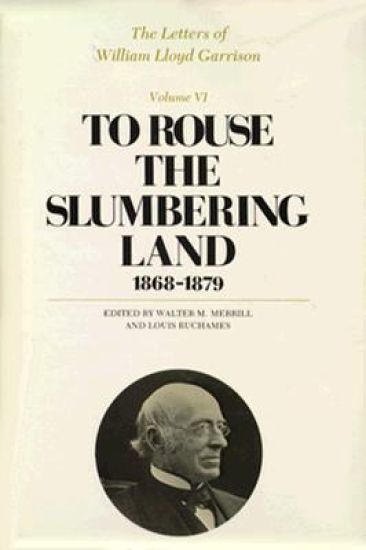
This is the sixth and final volume collecting the letters of an outstanding figure in American history. During the years when these letters were written, Garrison was secure, both financially and in his reputation as distinguished abolitionist. Although officially retired, he remained vigorously concerned with issues crucial to him--the relationship of the races, woman suffrage, temperance, national and international affairs, and, above all, his family. He writes about the Alabama Claims and the proposed annexation of Santo Domingo, aligning himself with the Radical Republicans. His letters support President Grant, despite the charges of corruption that surrounded him, but his public views on Rutherford B. Hayes change from cautious optimism to condemnation. He is saddened by the return to power in the South of the white ruling class, and to the end of his life he is deeply involved with the plight of minority groups in the country. The center of Garrison's life was his family, and his correspondence reveals the ways his days passed in association with those nearest to him. There is evidence of friction in the family, but his relationships are warm and loving. His private letters tell of the death of his wife in 1875 and his failing health. He died in 1879, an old reformer still fighting for the rights of humanity.

By 1861, William Lloyd Garrison’s public image had progressed from that of impulsive fanatic to one of widely respected and influential abolitionist. As editor of The Liberator and president of the American Anti-Slavery Society, he was the acknowledged spokesman for radical antislavery opinion. Garrison was profoundly disturbed by the advent of war. In his correspondence, he kept military events at a distance, focusing on the morality of the conflict, an issue made the more poignant by his eldest son’s enlistment in the 55th Massachusetts Regiment in 1863—the same year that his wife suffered a paralytic stroke. Gradually he became convinced that the war would effect the abolition he had sought for so many years. Likewise his attitude toward Lincoln underwent significant changes; he moved from critic to supporter, defending the President’s re-election against the arguments of fellow abolitionists. His visit with Lincoln in the White House he described as “a very satisfactory one indeed,” for he was pleased with Lincoln’s “spirit, and the familiar and candid way in which he unbosomed himself.” With the war ended and his goal as abolitionist achieved, Garrison discontinued The Liberator and withdrew from the American Anti-Slavery Society. Fortunately, friends arranged for a national testimonial that provided financial security. By 1866–1867 he was enjoying an active retirement with honors at home and abroad, and a “plump and cunning” first grandchild. His letters show Garrison as a family man and curious observer as well as a reformer with a vision of a free and peaceful land.
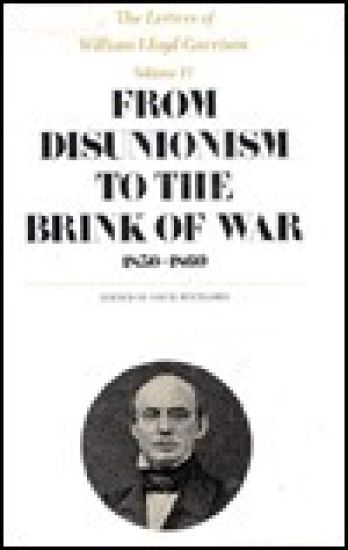
The fiery editor of the Liberator helped shape the destiny of a divided nation rapidly moving toward war. His letters ring with denunciations of the Compromise of 1850 and the barbarous Fugitive Slave Law, a federal bill that not only sent runaway slaves back to angry masters but threatened the liberty of all free blacks. Despite such provocation. Garrison was an advocate of nonresistance during this period though he continued to advocate the emancipation of slaves. Garrison's writings also reflect the interests of his times. He engaged in lively correspondence with fellow countrymen Harriet Beecher Stowe, Wendell Phillips, Susan B. Anthony, Theodore Parker, and Stephen S. Foster. In a long letter to Louis Kossuth, he challenges that Hungarian patriot's stand of opposing tyranny in Europe while ignoring slavery in America. Set against a background of wide-ranging travels throughout the western United States and of family affairs back home in Boston, Garrison's letters of this decade make a distinctive contribution to antebellum life and thought.