Kirjojen hintavertailu – 12 859 818 kirjaa ja 27 kauppaa

Kirjailija

William Luis

Kirjat ja teokset yhdessä paikassa: 5 kirjaa, julkaisuja vuosilta 1984–2000, suosituimpiin kuuluu Voices From Under. Vertaile teosten hintoja ja tarkista saatavuus suomalaisista kirjakaupoista.

5 kirjaa

Kirjojen julkaisuvuodet: 1984–2000.

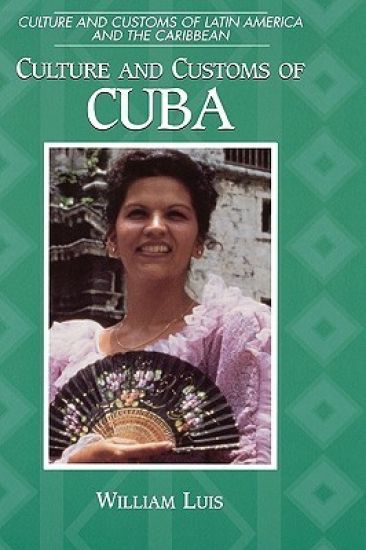
Culture and Customs of Cuba

Culture and Customs of Cuba

William Luis

Greenwood Press
2000
sidottu
Cuba continues to loom large in U. S. consciousness and politics. Culture and Customs of Cuba is a much-needed resource to give students and other readers an in-depth view of our important island neighbor. Luis, of Cuban descent, provides detailed, clear insight into Cuban culture in its historical context. Religion, customs, economy, media, performing and creative arts, and cinema are some of the many topics discussed. Included in this discussion are contributions of Cubans in exile which Luis considers an inherent part of Cuban culture. Encouraging a wider understanding of Cuba, this volume describes and highlights the cultures and customs of the island. Cuba, as one will learn while reading this book, is an island of many cultural customs that have evolved out of a rich history. Presented in the context of three interrelated periods in Cuban history: the Colonial, the Republic, and Castro's Revolution, this book explores Cuba's dynamic culture. Luis also notes the spread of Cuban culture abroad, where a significant part of the Cuban population has lived since the earl 19th century. Students and others interested in this country will find this book to be extraordinarily helpful and informative.
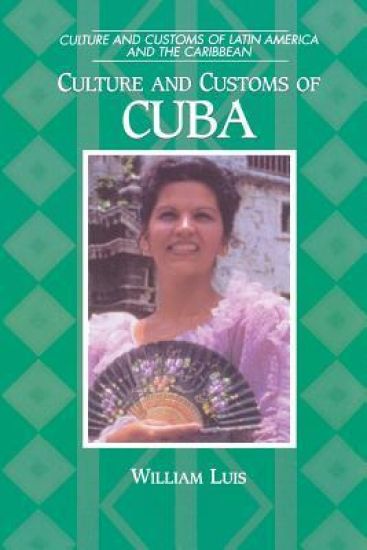
Culture and Customs of Cuba

Culture and Customs of Cuba

William Luis

Greenwood Press
2000
nidottu
Cuba continues to loom large in U. S. consciousness and politics. Culture and Customs of Cuba is a much-needed resource to give students and other readers an in-depth view of our important island neighbor. Luis, of Cuban descent, provides detailed, clear insight into Cuban culture in its historical context. Religion, customs, economy, media, performing and creative arts, and cinema are some of the many topics discussed. Included in this discussion are contributions of Cubans in exile which Luis considers an inherent part of Cuban culture. Encouraging a wider understanding of Cuba, this volume describes and highlights the cultures and customs of the island. Cuba, as one will learn while reading this book, is an island of many cultural customs that have evolved out of a rich history. Presented in the context of three interrelated periods in Cuban history: the Colonial, the Republic, and Castro's Revolution, this book explores Cuba's dynamic culture. Luis also notes the spread of Cuban culture abroad, where a significant part of the Cuban population has lived since the earl 19th century. Students and others interested in this country will find this book to be extraordinarily helpful and informative.
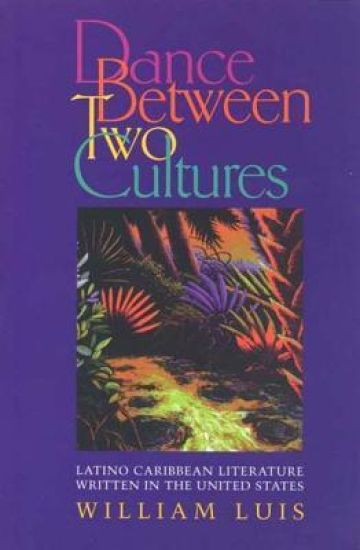
Dance Between Two Cultures

Dance Between Two Cultures

William Luis; Julia Alvarez; Judith Ortiz Cofer; Victor Hernandez Cruz; Cristina Garcia; Oscar Hijuelos; Rosario Morales; Ricardo Pau-Llosa; Piri Thomas

Vanderbilt University Press
1997
nidottu
An exploration of Latino-Caribbean literature written in the United States. Writers whose works are examined include: Julia Alvarez; Judith Ortiz Cofer; Victor Hernandez Cruz; Franklin Gutierrez; Cristina Garcia; Oscar Hijuelos; Carolina Hospital; Rosario Morales; and others.
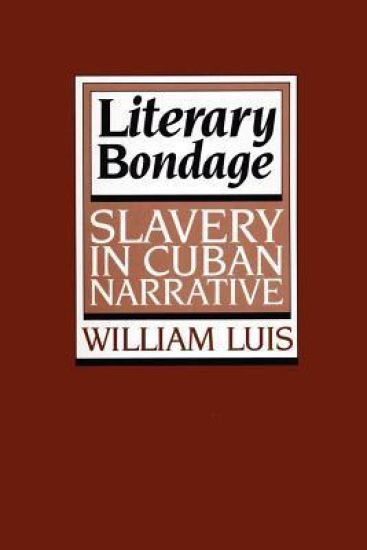
Literary Bondage

Literary Bondage

William Luis

University of Texas Press
1990
nidottu
In the nineteenth century, the Cuban economy rested on the twin pillars of sugar and slaves. Slavery was abolished in 1886, but, one hundred years later, Cuban authors were still writing antislavery narratives. William Luis explores this seeming paradox in his groundbreaking study Literary Bondage, asking why this literary genre has remained a viable means of expression. Applying Foucault's theory of counter-discourse to a vast body of antislavery literature, Luis shows how these narratives have always served to undermine the foundations of slavery, to protest the marginalized status of blacks in Cuban society, and to rewrite the canon of "acceptable" history and literature. He finds that emancipation did not end the need for such counter-discourse and reveals how the antislavery narrative continues to provide a forum for voices that have been silenced by the dominant culture. In addition to such well-known works as Cecilia Valdés, The Kingdom of This World, and The Autobiography of a Runaway Slave, Luis draws on many literary works outside the familiar canon, including Romualdo, uno de tantos, Aponte, SofíaLa familia Unzúazu, El negrero, and Los guerrilleros negros. This comprehensive coverage raises important questions about the process of canon-formation and brings to light Cuba's rich heritage of Afro-Latin literature and culture.