Kirjojen hintavertailu – 12 873 095 kirjaa ja 26 kauppaa

Kirjailija

William MacAskill

Kirjat ja teokset yhdessä paikassa: 15 kirjaa, julkaisuja vuosilta 2016–2026, suosituimpiin kuuluu Ihmiskunnan tulevaisuuden historia. Miljoonan vuoden näkökulma. Vertaile teosten hintoja ja tarkista saatavuus suomalaisista kirjakaupoista.

15 kirjaa

Kirjojen julkaisuvuodet: 2016–2026.

Doing Good Better

Doing Good Better

William Macaskill

Guardian Faber Publishing
2026
nidottu

Halvin toimitettuna 20,90 €

From the Sunday Times bestselling author, the 10th anniversary edition of Doing Good Better: a radical, reassuring reassessment of how we can most effectively help others in an era of global instability. FEATURING A NEW FOREWORD 'A surprising and often counterintuitive look at the best ways to make a difference. [MacAskill] is that rarest of beasts: a do-gooder who uses his head more than his heart.' Sunday Times 'MacAskill is a data nerd after my own heart.' Bill Gates We might donate to charity, buy ethically-sourced products, and try to cut down on our carbon emissions, but how do we know if we're really helping? In a world beset by crisis after crisis, it's easy to feel cynical and powerless to change anything. Confronting this problem, William MacAskill helped develop a concept which went on to become a global movement: effective altruism, a practical, data-driven approach which shows that each of us has the power to do an astonishing amount of good, given the right information. Doing Good Better is an essential guide which shows how, through simple actions, you can improve thousands of lives - including your own.
An Introduction to Utilitarianism

An Introduction to Utilitarianism

Richard Chappell; Darius Meissner; William MacAskill

HACKETT PUBLISHING CO, INC
2024
nidottu
An Introduction to Utilitarianism: From Theory to Practice is a state-of-the-art text, simultaneously accessible to introductory students and informative for more advanced readers. Two key features set it apart. First, its comprehensive coverage of the arguments for and against utilitarianism is unparalleled. Second, it takes seriously the practical implications of utilitarianism for how we should live, with a particular emphasis on utilitarianism's impartial beneficence and its focus on effectiveness. Guided by the conviction that practical ethics is more about how best to use our limited time and resources than which victims to hit with trolleys in thought experiments, its practical upshots should prove amenable to utilitarians and non-utilitarians alike.
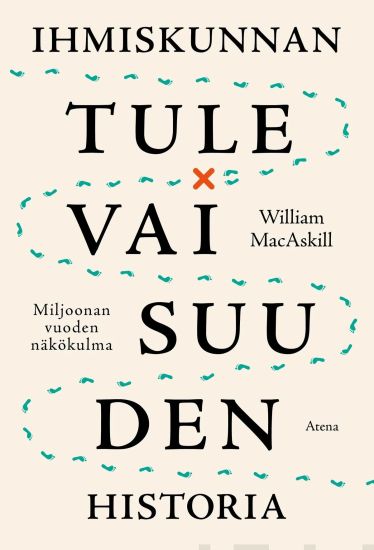
Ihmiskunnan tulevaisuuden historia

Ihmiskunnan tulevaisuuden historia

William MacAskill

Otava
2024
isokokoinen pokkari

Halvin toimitettuna 24,80 €

Toiveikas tietoteos kääntää katseen ihmislajin tulevaisuuteen. Meistä riippuu, millainen se on. Jos ihmiskunta elää yhtä kauan kuin useimmat nisäkäslajit, olemme vasta matkamme alussa. Meidän päätöksemme vaikuttavat siis biljoonien tulevien ihmisten elämään. Miten valitsemme ne teot, jotka auttavat tulevia sukupolvia eniten? Miten selätämme todennäköiset uhat ydinvarustelusta pandemioihin? Ylistetty teos nostaa katseen nykyhetken yläpuolelle ja ohjaa ajattelemaan pitkällä aikajänteellä. Historian suuret mullistukset, kuten orjuuden lopettaminen, ovat alkaneet pienistä liikkeistä oikeaan suuntaan. Me luomme valinnoillamme tulevaisuuden historiaa.
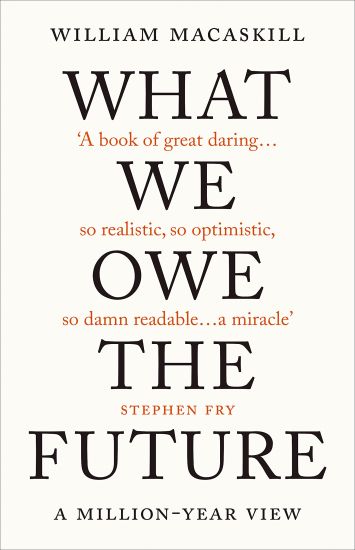
What We Owe The Future

What We Owe The Future

William MacAskill

Oneworld Publications
2023
pokkari

Halvin toimitettuna 17,00 €

The challenges we face are enormous. But we can still secure a positive future for our planet, and for everyone on it. In What We Owe The Future, philosopher William MacAskill persuasively argues for longtermism, the idea that positively influencing the distant future is a moral priority of our time. It isn’t enough to mitigate climate change or avert the next pandemic. We can ensure that civilization would rebound if it collapsed; cultivate value pluralism; and prepare for a planet where the most sophisticated beings are digital and not human. 'Unapologetically optimistic and bracingly realistic, this is the most inspiring book on ‘ethical living’ I’ve ever read.' Oliver Burkeman, Guardian ‘A monumental event.' Rutger Bregman, author of Humankind ‘A book of great daring, clarity, insight and imagination. To be simultaneously so realistic and so optimistic, and always so damn readable… well that is a miracle for which he should be greatly applauded.’ Stephen Fry
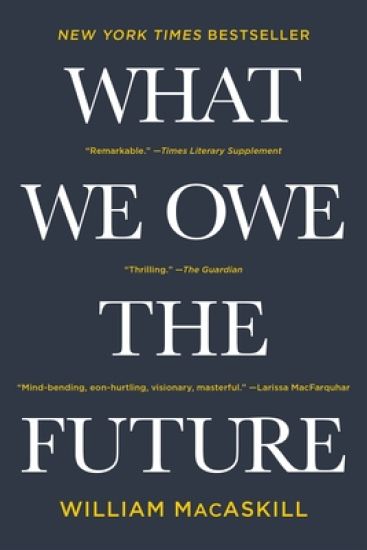
What We Owe the Future

What We Owe the Future

William Macaskill

BASIC BOOKS
2023
nidottu
In this instant New York Times bestseller, a renowned philosopher puts forth the case for longtermism The fate of the world - and the future - is in our hands. Now with a new foreword, What We Owe the Future argues for longtermism: that positively influencing the distant future is our time's key moral priority. It's not enough to reverse climate change or avert a pandemic. We must ensure that civilization would rebound if it collapsed; counter the end of moral progress; and prepare for a planet where the smartest beings are digital. If we make wise choices now, our grandchildren will thrive, knowing we did everything we could to give them a world full of justice, hope and beauty. "To take these ideas seriously is a truly radical endeavor -- one with the power to change the world and even your life."--Ezra Klein, New York Times "An intellectually thrilling exploration of moral philosophy and human history in the hands of a very skilled thinker and clear writer."--Kevin J. Delaney, The Charter
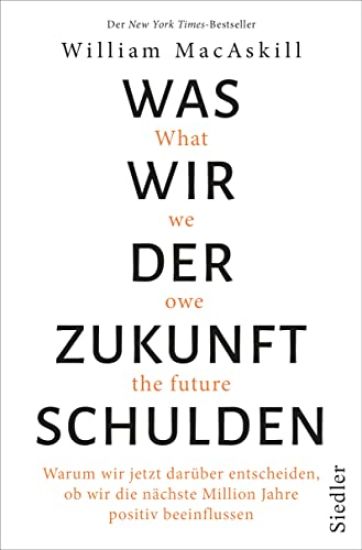
Vad framtiden förtjänar : att planera för en miljon år
Den här boken kommer att förändra din känsla av hur storslagen mänsklighetens historia kan vara, var du passar in i den och allt du kan göra för att förändra den till det bättre. Ezra KleinMacAskill argumenterar övertygande Björn Wiman i Dagens NyheterHur planerar vi för en miljon år fram i tiden? I Vad framtiden förtjänar argumenterar den skotske stjärnfilosofen William MacAskill för longtermism insikten om hur kolossalt lång framtiden kan bli och hur höga insatserna därför är när vi formar den. Vi lever i historiens början, i det mest avlägsna förflutna. MacAskill erbjuder ett ramverk för framtiden, men börjar i ett historiskt perspektiv och fortsätter sedan i ett pussel av teman från stormaktskrig till artificiell intelligens och rymdens betydelse, till värderingar och moral, välbefinnande och lycka, och klimatförändringen. Boken innehåller en nyskriven epilog där William MacAskill ger exempel på konkreta åtgärder som vi kan inspireras av om vi vill gynna framtida generationer. Den här boken kommer att förändra din känsla av hur storslagen mänsklighetens historia kan vara, var du passar in i den och allt du kan göra för att förändra den till det bättre. Ezra KleinMacAskill är skotsk filosof och medgrundare till effektiv altruism-rörelsen. Han är för närvarande verksam vid Oxfords universitet och författare till den uppmärksammade boken Doing Good Better (2015).
Ihmiskunnan tulevaisuuden historia. Miljoonan vuoden näkökulma
Toiveikas tietoteos kääntää katseen ihmislajin tulevaisuuteen. Meistä riippuu, millainen se on. Jos ihmiskunta elää yhtä kauan kuin useimmat nisäkäslajit, olemme vasta matkamme alussa. Meidän päätöksemme vaikuttavat siis biljoonien tulevien ihmisten elämään. Miten valitsemme ne teot, jotka auttavat tulevia sukupolvia eniten? Miten selätämme todennäköiset uhat ydinvarustelusta pandemioihin? Ylistetty teos nostaa katseen nykyhetken yläpuolelle ja ohjaa ajattelemaan pitkällä aikajänteellä. Historian suuret mullistukset, kuten orjuuden lopettaminen, ovat alkaneet pienistä liikkeistä oikeaan suuntaan. Me luomme valinnoillamme tulevaisuuden historiaa.
What We Owe The Future

What We Owe The Future

William MacAskill

Oneworld Publications
2022
sidottu
The challenges we face are enormous. But we can still secure a positive future for our planet, and for everyone on it. In What We Owe The Future, philosopher William MacAskill persuasively argues for longtermism, the idea that positively influencing the distant future is a moral priority of our time. It isn’t enough to mitigate climate change or avert the next pandemic. We can ensure that civilization would rebound if it collapsed; cultivate value pluralism; and prepare for a planet where the most sophisticated beings are digital and not human. 'Unapologetically optimistic and bracingly realistic, this is the most inspiring book on ‘ethical living’ I’ve ever read.' Oliver Burkeman, Guardian ‘A monumental event.' Rutger Bregman, author of Humankind ‘A book of great daring, clarity, insight and imagination. To be simultaneously so realistic and so optimistic, and always so damn readable… well that is a miracle for which he should be greatly applauded.’ Stephen Fry
What We Owe The Future

What We Owe The Future

William MacAskill

Oneworld Publications
2022
sidottu

Halvin toimitettuna 24,40 €

The challenges we face are enormous. But we can still secure a positive future for our planet, and for everyone on it. In What We Owe The Future, philosopher William MacAskill persuasively argues for longtermism, the idea that positively influencing the distant future is a moral priority of our time. It isn’t enough to mitigate climate change or avert the next pandemic. We can ensure that civilization would rebound if it collapsed; cultivate value pluralism; and prepare for a planet where the most sophisticated beings are digital and not human. 'Unapologetically optimistic and bracingly realistic, this is the most inspiring book on ‘ethical living’ I’ve ever read.' Oliver Burkeman, Guardian ‘A monumental event.' Rutger Bregman, author of Humankind ‘A book of great daring, clarity, insight and imagination. To be simultaneously so realistic and so optimistic, and always so damn readable… well that is a miracle for which he should be greatly applauded.’ Stephen Fry
What We Owe the Future

What We Owe the Future

William Macaskill

BASIC BOOKS
2022
sidottu
An Instant New York Times Bestseller "This book will change your sense of how grand the sweep of human history could be, where you fit into it, and how much you could do to change it for the better. It's as simple, and as ambitious, as that." --Ezra Klein An Oxford philosopher makes the case for "longtermism" -- that positively influencing the long-term future is a key moral priority of our time. The fate of the world is in our hands. Humanity's written history spans only five thousand years. Our yet-unwritten future could last for millions more -- or it could end tomorrow. Astonishing numbers of people could lead lives of great happiness or unimaginable suffering, or never live at all, depending on what we choose to do today. In What We Owe The Future, philosopher William MacAskill argues for longtermism, that idea that positively influencing the distant future is a key moral priority of our time. From this perspective, it's not enough to reverse climate change or avert the next pandemic. We must ensure that civilization would rebound if it collapsed; counter the end of moral progress; and prepare for a planet where the smartest beings are digital, not human. If we make wise choices today, our grandchildren's grandchildren will thrive, knowing we did everything we could to give them a world full of justice, hope and beauty.
Moral Uncertainty

Moral Uncertainty

William MacAskill; Krister Bykvist; Toby Ord

Oxford University Press
2020
sidottu
This is an open access title available under the terms of a CC BY-NC-ND 4.0 International licence. It is free to read at Oxford Scholarship Online and offered as a free PDF download from OUP and selected open access locations. Very often we're uncertain about what we ought, morally, to do. We don't know how to weigh the interests of animals against humans, how strong our duties are to improve the lives of distant strangers, or how to think about the ethics of bringing new people into existence. But we still need to act. So how should we make decisions in the face of such uncertainty? Though economists and philosophers have extensively studied the issue of decision-making in the face of uncertainty about matters of fact, the question of decision-making given fundamental moral uncertainty has been neglected. Philosophers William MacAskill, Krister Bykvist, and Toby Ord try to fill this gap. Moral Uncertainty argues that there are distinctive norms that govern how one ought to make decisions. It defends an information-sensitive account of how to make such decisions by developing an analogy between moral uncertainty and social choice, arguing that the correct way to act in the face of moral uncertainty depends on whether the moral theories in which one has credence are merely ordinal, cardinal, or both cardinal and intertheoretically comparable. It tackles the problem of how to make intertheoretical comparisons, discussing potential solutions and the implications of their view for metaethics and practical ethics.
Doing Good Better: How Effective Altruism Can Help You Help Others, Do Work That Matters, and Make Smarter Choices about Giving Back
An up-and-coming visionary in the world of philanthropy and a cofounder of the effective altruism movement explains why most of our ideas about how to make a difference are wrong and presents a counterintuitive way for each of us to do the most good possible. While a researcher at Oxford, William MacAskill decided to devote his study to a simple question: How can we do good better? MacAskill realized that, while most of us want to make a difference, we often decide how to do so based on assumptions and emotions rather than facts. As a result, our good intentions often lead to ineffective, sometimes downright harmful, outcomes. As an antidote, MacAskill and his colleagues developed effective altruism--a practical, data-driven approach to doing good that allows us to make a tremendous difference regardless of our resources. Effective altruists operate by asking certain key questions that force them to think differently, set aside biases, and use evidence and careful reasoning rather than act on impulse. In Doing Good Better, MacAskill lays out these principles and shows that, when we use them correctly--when we apply the head and the heart to each of our altruistic endeavors--each of us has the power to do an astonishing amount of good.
Doing Good Better

Doing Good Better

William MacAskill

Guardian Faber Publishing
2016
nidottu
A radical reassessment of how we can most effectively help others by a rising star of philosophy and leading social entrepreneur.'A surprising and often counterintuitive look at the best ways to make a difference . . . MacAskill is that rarest of beasts: a do-gooder who uses his head more than his heart.'SUNDAY TIMESMost of us want to make a difference. We donate to charity, buy Fairtrade coffee, or try to cut down on our carbon emissions. Rarely do we know if we're really helping, and despite our best intentions, our actions can have ineffective - and sometimes downright harmful - outcomes. Confronting this problem, William MacAskill developed the concept of effective altruism, a practical, data-driven approach which shows that each of us has the power to do an astonishing amount of good, given the right information. His conclusions are often surprising; by examining the charities we give to, the goods we buy and the careers we pursue, Doing Good Better is a fascinating and original guide which shows how, through simple actions, you can improve thousands of lives - including your own.'A data nerd after my own heart.'BILL GATES'Required reading for anyone interested in making the world better.'STEVEN LEVITT, co-author of Freakonomics'Effective altruism - efforts that actually help people rather than making you feel good or helping you show off - is one of the great new ideas of the 21st century. Doing Good Better is the definitive guide to this exciting new movement.'STEVEN PINKER, author of The Better Angels of Our Nature