Kirjojen hintavertailu – 12 903 724 kirjaa ja 27 kauppaa
Kirjailija
William Miller
Kirjat ja teokset yhdessä paikassa: 133 kirjaa, julkaisuja vuosilta 1966–2026, suosituimpiin kuuluu Richard Wright Y El Carné de Biblioteca. Vertaile teosten hintoja ja tarkista saatavuus suomalaisista kirjakaupoista.
This ground-breaking book portrays an emerging global culture. It offers the experiences and perspectives of 31 top executives from 15 countries in 6 continents. These are business people who express from first-hand experience what it is like to lead a business from a spiritual basis.
Discover the benefitsand drawbacksof Google® Google® has become a nearly omnipresent tool of the Internet, with its potential only now beginning to be realized. How can librarians effectively integrate this powerful search engine to provide service to their patrons? Libraries and Google® presents leading authorities discussing the many possibilities of using Google® products as effective, user-friendly tools in libraries. Google Scholar and Print are extensively explored with an eye toward offering an expanded view of what is and may be possible for the future, with practical insights on how to make the most of the product’s capabilities. It seems certain that Google® is here to stay. Libraries and Google® comprehensively examines this disruptive technology that is seen as both a threat and an opportunity by both librarians and publishers. Both perspectives are explored in depth, along with practical applications of this and other Google® technology that may be new to librarians. Google® products and other more familiar research tools are compared for effectiveness and ease of use. The various unique needs of users and scholars are detailed and considered as a springboard for insightful discussion of the future role of librarians in today’s world. Potential problems are closely examined, such as copyright issues of digitization, and privacy concerns sparked by its collection of personal information about its users. The book comprehensively explores the path libraries need to travel to benefit from the search tool, rather than being overwhelmed and destroyed by it. Topics in Libraries and Google® include: the viewpoint that Google® may make libraries obsolete new opportunities for libraries through using Google® products technical aspects of purchasing and implementing Google® search products with proprietary vendor databases testing the performance of Google Scholar and Print practical use of Google®’s products personal privacy issues making digitized library resources more accessible digitization of copyrighted materials much, much more! Libraries and Google® is horizon-expanding reading for all librarians, library science educators and students, library administrators, publishers, and university presses. Volume 2 of Libraries and Google® is in preparation. Google® is a Registered Service Mark of Google, Inc., Mountain View, California. Libraries and Google® is an independent publication offered by The Haworth Press, Inc., Binghamton, New York, and is not affiliated with, nor has it been authorized, sponsored, endorsed, licensed, or otherwise approved by, Google, Inc.
Discover the benefitsand drawbacksof Google® Google® has become a nearly omnipresent tool of the Internet, with its potential only now beginning to be realized. How can librarians effectively integrate this powerful search engine to provide service to their patrons? Libraries and Google® presents leading authorities discussing the many possibilities of using Google® products as effective, user-friendly tools in libraries. Google Scholar and Print are extensively explored with an eye toward offering an expanded view of what is and may be possible for the future, with practical insights on how to make the most of the product’s capabilities. It seems certain that Google® is here to stay. Libraries and Google® comprehensively examines this disruptive technology that is seen as both a threat and an opportunity by both librarians and publishers. Both perspectives are explored in depth, along with practical applications of this and other Google® technology that may be new to librarians. Google® products and other more familiar research tools are compared for effectiveness and ease of use. The various unique needs of users and scholars are detailed and considered as a springboard for insightful discussion of the future role of librarians in today’s world. Potential problems are closely examined, such as copyright issues of digitization, and privacy concerns sparked by its collection of personal information about its users. The book comprehensively explores the path libraries need to travel to benefit from the search tool, rather than being overwhelmed and destroyed by it. Topics in Libraries and Google® include: the viewpoint that Google® may make libraries obsolete new opportunities for libraries through using Google® products technical aspects of purchasing and implementing Google® search products with proprietary vendor databases testing the performance of Google Scholar and Print practical use of Google®’s products personal privacy issues making digitized library resources more accessible digitization of copyrighted materials much, much more! Libraries and Google® is horizon-expanding reading for all librarians, library science educators and students, library administrators, publishers, and university presses. Volume 2 of Libraries and Google® is in preparation. Google® is a Registered Service Mark of Google, Inc., Mountain View, California. Libraries and Google® is an independent publication offered by The Haworth Press, Inc., Binghamton, New York, and is not affiliated with, nor has it been authorized, sponsored, endorsed, licensed, or otherwise approved by, Google, Inc.
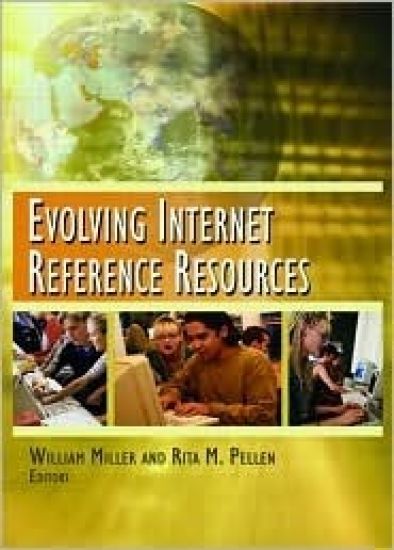
Save time and avoid trouble as you search the Internet for reliable resourcesEvolving Internet Reference Resources provides both beginning and experienced researchers with a comprehensive overview of the key information sources available online in the humanities, sciences, and social sciences. This invaluable book is your guide to the best free and subscription-based Internet sites and services for 26 diverse subject areas, including law, psychology, rhetoric, LGBT studies, health and medicine, engineering, Asian studies, and computer science. Experts in specific areas review Web sites, meta sites, indexing and abstracting services, directories, portals, databases, and blogs for their accessibility and usability, saving you valuable time and effort in your search for the best academic research and reference resources on the Web. Evolving Internet Reference Resources is your pathfinder for all levels of research in crucial areas of academic and general interest. The book will lead you through the almost overwhelming volume of information available online to help you steer clear of unreliable, untrustworthy, and slipshod material as you search for dictionaries, glossaries, bibliographies, images, book reviews, career information, fieldwork opportunities, biographical sources, timelines and chronologies, audio and video clips, interactive maps, online collections, and much more. Topics covered in Evolving Internet Reference Resources include: significant developments in the availability of art images on the Web how Internet resources have transformed rhetoric, composition, and poetry why free Web sites can sometimes be unreliable organizational strategies for librarians how commercial publishers have acquired some of the best LGBT online resources the potential for Internet resources to enhance social activism in Latin America new approaches taken by librarians in creating online information government agency Web sites online versions of college guides the development of RSS (Really Simple Syndication) technology the virtual reference shelf available to nursing students and faculty ESL (English as a Second Language) Web sitesEvolving Internet Reference Resources is an essential tool for all librarians (academic, school, special, and public), library science faculty, and faculty and students in a wide variety of disciplines.
Save time and avoid trouble as you search the Internet for reliable resourcesEvolving Internet Reference Resources provides both beginning and experienced researchers with a comprehensive overview of the key information sources available online in the humanities, sciences, and social sciences. This invaluable book is your guide to the best free and subscription-based Internet sites and services for 26 diverse subject areas, including law, psychology, rhetoric, LGBT studies, health and medicine, engineering, Asian studies, and computer science. Experts in specific areas review Web sites, meta sites, indexing and abstracting services, directories, portals, databases, and blogs for their accessibility and usability, saving you valuable time and effort in your search for the best academic research and reference resources on the Web. Evolving Internet Reference Resources is your pathfinder for all levels of research in crucial areas of academic and general interest. The book will lead you through the almost overwhelming volume of information available online to help you steer clear of unreliable, untrustworthy, and slipshod material as you search for dictionaries, glossaries, bibliographies, images, book reviews, career information, fieldwork opportunities, biographical sources, timelines and chronologies, audio and video clips, interactive maps, online collections, and much more. Topics covered in Evolving Internet Reference Resources include: significant developments in the availability of art images on the Web how Internet resources have transformed rhetoric, composition, and poetry why free Web sites can sometimes be unreliable organizational strategies for librarians how commercial publishers have acquired some of the best LGBT online resources the potential for Internet resources to enhance social activism in Latin America new approaches taken by librarians in creating online information government agency Web sites online versions of college guides the development of RSS (Really Simple Syndication) technology the virtual reference shelf available to nursing students and faculty ESL (English as a Second Language) Web sitesEvolving Internet Reference Resources is an essential tool for all librarians (academic, school, special, and public), library science faculty, and faculty and students in a wide variety of disciplines.
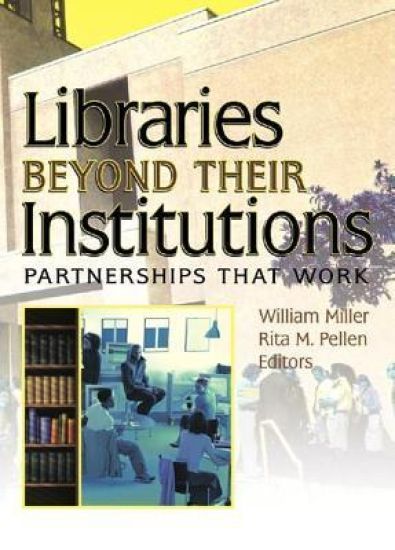
Discover collaborative possibilities for your library beyond mere memberships in bibliographic utilitiesLibraries Beyond Their Institutions: Partnerships That Work illustrates the remarkable range of cooperative activities in which libraries are engaged in order to provide the best possible service. Increasingly, librarians recognize the need to link their institutions to the world around them as part of their obligation to enhance the integration of digital information, not only for students in academic settings, but also throughout all levels of society. An excellent companion and complement to Libraries Within Their Institutions: Creative Collaborations (Haworth) from the same editors, this unique book examines the variety of ways librarians work with community organizations, government agencies, professional organizations, minority communities, and city governments in their efforts to serve not just students in academic settings, but all of society. Libraries Beyond Their Institutions: Partnerships That Work reflects the growing understanding of the key role played by libraries in the development of civil society. This unique book examines the variety of possibilities for collaborations outside institutions, including the ways librarians function in a variety of other campus settings, such as writing centers, teaching excellence centers, and academic departments in support of teaching, learning, and research; partnerships with graduate school, and information resources management to preserve theses and dissertations electronically; promoting civic partnerships; initiating a campus-wide information literacy resource; and partnering with government agencies to form a data literacy program. Libraries Beyond Their Institutions: Partnerships That Work provides practical information on: collaborative training programs to develop baseline competencies in academic libraries to support data services the Chicano/Latino Network and the Community Digital Initiative developing an international presence through digital resource sharing successful models of statewide library consortia technology-based partnerships promoting K-20 information literacy collaborations between the United States Patent and Trademark Office and patent and trademark depository libraries (PTDL) the development of AgEcon Search, an alternative method of delivering research resultsLibraries Beyond Their Institutions: Partnerships That Work is an invaluable resource for librarians working in academic, school, special, and public settings, and for library science faculty and students.
Discover collaborative possibilities for your library beyond mere memberships in bibliographic utilitiesLibraries Beyond Their Institutions: Partnerships That Work illustrates the remarkable range of cooperative activities in which libraries are engaged in order to provide the best possible service. Increasingly, librarians recognize the need to link their institutions to the world around them as part of their obligation to enhance the integration of digital information, not only for students in academic settings, but also throughout all levels of society. An excellent companion and complement to Libraries Within Their Institutions: Creative Collaborations (Haworth) from the same editors, this unique book examines the variety of ways librarians work with community organizations, government agencies, professional organizations, minority communities, and city governments in their efforts to serve not just students in academic settings, but all of society. Libraries Beyond Their Institutions: Partnerships That Work reflects the growing understanding of the key role played by libraries in the development of civil society. This unique book examines the variety of possibilities for collaborations outside institutions, including the ways librarians function in a variety of other campus settings, such as writing centers, teaching excellence centers, and academic departments in support of teaching, learning, and research; partnerships with graduate school, and information resources management to preserve theses and dissertations electronically; promoting civic partnerships; initiating a campus-wide information literacy resource; and partnering with government agencies to form a data literacy program. Libraries Beyond Their Institutions: Partnerships That Work provides practical information on: collaborative training programs to develop baseline competencies in academic libraries to support data services the Chicano/Latino Network and the Community Digital Initiative developing an international presence through digital resource sharing successful models of statewide library consortia technology-based partnerships promoting K-20 information literacy collaborations between the United States Patent and Trademark Office and patent and trademark depository libraries (PTDL) the development of AgEcon Search, an alternative method of delivering research resultsLibraries Beyond Their Institutions: Partnerships That Work is an invaluable resource for librarians working in academic, school, special, and public settings, and for library science faculty and students.
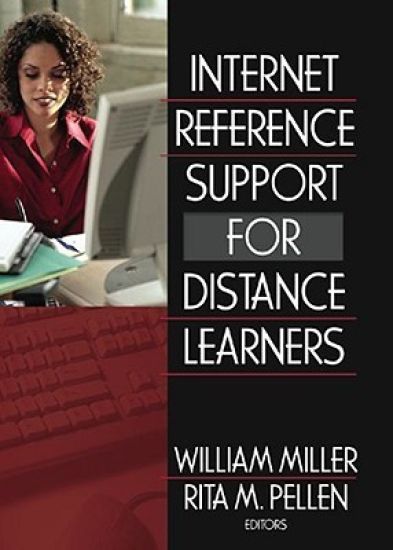
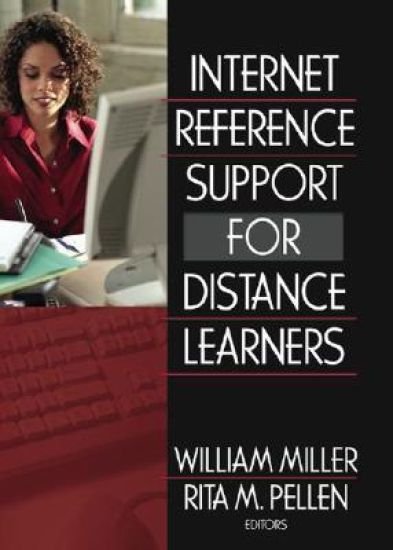
Make separate library services for distance learners a thing of the past Internet Reference Support for Distance Learners takes a comprehensive look at efforts by librarians and information specialists to provide distance learners with effective services that match those already available on campus. With the development of the World Wide Web and the evolution of Web-based services, reference librarians are adding a human element to the virtual library, blurring the difference between distance learners and traditional users. This unique book examines how they deal with a wide range of related topics, including standards and guidelines, copyright issues, streaming media, and chat and digital references, and presents a historical overview of how reference and instructional services have been delivered to distance usersbefore and after the creation of the Internet. Internet Reference Support for Distance Learners reveals that librarians do not make a sharp distinction between reference and instruction within the context of distance learning, and that there is no clear boundary between true distance learners and more traditional students who might use services designed for nontraditional users. Online capabilities have allowed reference librarians to approximate services advocated by published guidelines and standards, including the ACRL Distance Learning Section’s Guidelines for Distance Learning Library Services, to provide a framework for librarians to plan services for off-campus students. Internet Reference Support for Distance Learners provides practical information on: how librarians can keep IT simple when designing methods to access reference support why library Web sites are vital sources of communication between the distance learning student and the reference-based instructional component how to set up a university chat service, including software selection, staff training and assessment how to provide students services beyond traditional provision of resources, including advising, enrollment, and payment of fees how to create an online assistance site that incorporates online versions of traditional print handouts, FAQs, subject guides, course-specific guides, learning modules, and instructional videos in one central location how to work with faculty to create online support for students in Blackboard courses the pros and cons of using open-source software how to create an online library assistance site how to create online information literacy course to teach independent research skills to remote students how to avoid copyright infringement and how to educate library personnel about copyright law how to use Camtasia Studio, a screen capture program to create audio and video for online presentationsInternet Reference Support for Distance Learners is an invaluable resource for librarians working in academic, school, special, and public settings, and for library science faculty and students.
Make separate library services for distance learners a thing of the past Internet Reference Support for Distance Learners takes a comprehensive look at efforts by librarians and information specialists to provide distance learners with effective services that match those already available on campus. With the development of the World Wide Web and the evolution of Web-based services, reference librarians are adding a human element to the virtual library, blurring the difference between distance learners and traditional users. This unique book examines how they deal with a wide range of related topics, including standards and guidelines, copyright issues, streaming media, and chat and digital references, and presents a historical overview of how reference and instructional services have been delivered to distance usersbefore and after the creation of the Internet. Internet Reference Support for Distance Learners reveals that librarians do not make a sharp distinction between reference and instruction within the context of distance learning, and that there is no clear boundary between true distance learners and more traditional students who might use services designed for nontraditional users. Online capabilities have allowed reference librarians to approximate services advocated by published guidelines and standards, including the ACRL Distance Learning Section’s Guidelines for Distance Learning Library Services, to provide a framework for librarians to plan services for off-campus students. Internet Reference Support for Distance Learners provides practical information on: how librarians can keep IT simple when designing methods to access reference support why library Web sites are vital sources of communication between the distance learning student and the reference-based instructional component how to set up a university chat service, including software selection, staff training and assessment how to provide students services beyond traditional provision of resources, including advising, enrollment, and payment of fees how to create an online assistance site that incorporates online versions of traditional print handouts, FAQs, subject guides, course-specific guides, learning modules, and instructional videos in one central location how to work with faculty to create online support for students in Blackboard courses the pros and cons of using open-source software how to create an online library assistance site how to create online information literacy course to teach independent research skills to remote students how to avoid copyright infringement and how to educate library personnel about copyright law how to use Camtasia Studio, a screen capture program to create audio and video for online presentationsInternet Reference Support for Distance Learners is an invaluable resource for librarians working in academic, school, special, and public settings, and for library science faculty and students.
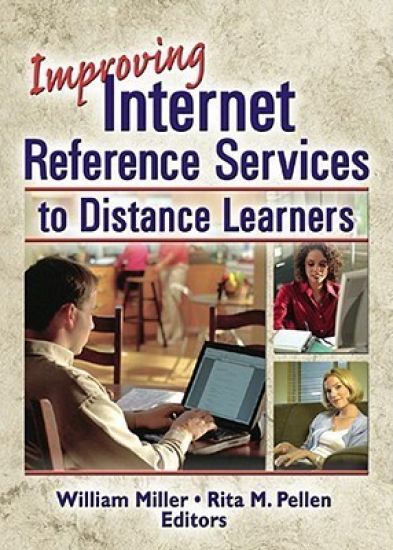
In their efforts to provide distance learners with the most effective services possible, librarians and information specialists are working more and more with faculty in academic departments, IT departments, and other librarians at cooperating institutions. Improving Internet Reference Services to Distance Learners chronicles how those efforts have seen librarians become actively involved in online course management and delivery systems, particularly Blackboard, Desire2Learn, and WebCT, or by embedding themselves into the online course structure to better learn where students need assistance. This invaluable resource also examines how librarians use Internet resources to support professional and continuing education and to establish university-wide information and referral services to provide quality service to distance learners. Improving Internet Reference Services to Distance Learners encourages librarians to think more broadly about working with outside individuals when designing and providing reference and other services to nontraditional users. The book examines why it’s best to consider user needs, funding, staff management, and collaboration development when planning Internet reference services, how to develop and implement a required, credit-bearing online information literacy course, and how to apply effective marketing techniques from the business world to increase awareness of reference support services available to distance learners. It also offers a look at the Walden University Library at Indiana University-Bloomington, which houses no print collectiononly online databasesand includes case studies that document the design and development of Internet reference services for the University of Illinois’ Fire Service Institute, and the efforts to provide support for doctor of pharmacy students at the University of Wisconsin-Madison in their final year of study. Improving Internet Reference Services to Distance Learners provides practical information on: monitoring online discussion threads devoted to library research Web-based interactive tutorials integrating library services in support of coursework integrating library services into online courses offering, promoting, and providing instruction to public users, as well as local and distance students developing a web site that centralizes information about library services and resources the potential of the academic library to be the central provider of information and referral services for an entire universityImproving Internet Reference Services to Distance Learners is an invaluable resource for librarians working in academic, school, special, and public settings, and for library science faculty and students.
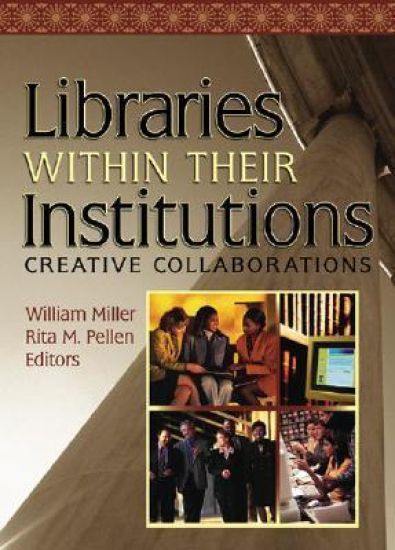
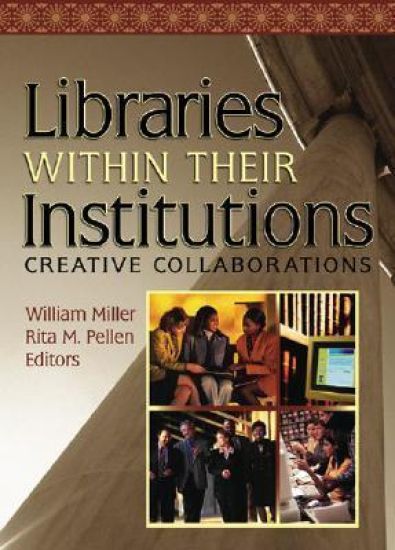
Discover how your libraryand its patronscan benefit from internal partnerships, collaborations, and interactionsLibraries Within Their Institutions: Creative Collaborations examines the ways librarians work within their own universities, municipalities, or government units to form partnerships that ensure the best possible service to their patrons. An excellent companion and complement to Libraries Beyond Their Institutions: Partnerships That Work (Haworth) from the same editors, this unique professional resource looks at the associations between libraries and faculty members, city governments, information technology departments, and research institutes. The book provides first-hand perspectives, assessments, and case studies from information professionals at several major universities, including Kent State, the University of Washington, Virginia Tech, and Purdue University. Libraries Within Their Institutions: Creative Collaborations demonstrates the need for interaction and cooperation between libraries and non-library organizationson campus and off. This unique book examines the elements of effective collaborations for libraries, including partnerships with campus teaching centers; helping faculty design their courses to enhance instruction; long-term perspectives in library-faculty cooperation; the creation of collaboratories, collaborative facilities based in libraries; and the development of campus-wide fluency in all areas of information technology and literacy. Libraries Within Their Institutions: Creative Collaborations provides practical information on: campus-wide committees that promote a general education information literacy requirement integrating ACRL core competencies for information literacy into course content using an Assessment Cycle to document the library’s contributions toward students’ success and institutional outcomes partnerships that have shaped the ARL Statistics and Measurement Program using information commons, and teaching and learning centers to develop collaborative services digital preservation of electronic theses and dissertations (ETD) team-taught courses in scientific writing joint-use libraries collaboration in collection management drawing teaching faculty into collaborative relationships collaborating with teaching faculty to help students learn lifelong research skillsLibraries Within Their Institutions: Creative Collaborations is an invaluable resource for librarians working in academic, school, special, and public settings, and for library science faculty and students.
In their efforts to provide distance learners with the most effective services possible, librarians and information specialists are working more and more with faculty in academic departments, IT departments, and other librarians at cooperating institutions. Improving Internet Reference Services to Distance Learners chronicles how those efforts have seen librarians become actively involved in online course management and delivery systems, particularly Blackboard, Desire2Learn, and WebCT, or by embedding themselves into the online course structure to better learn where students need assistance. This invaluable resource also examines how librarians use Internet resources to support professional and continuing education and to establish university-wide information and referral services to provide quality service to distance learners. Improving Internet Reference Services to Distance Learners encourages librarians to think more broadly about working with outside individuals when designing and providing reference and other services to nontraditional users. The book examines why it’s best to consider user needs, funding, staff management, and collaboration development when planning Internet reference services, how to develop and implement a required, credit-bearing online information literacy course, and how to apply effective marketing techniques from the business world to increase awareness of reference support services available to distance learners. It also offers a look at the Walden University Library at Indiana University-Bloomington, which houses no print collectiononly online databasesand includes case studies that document the design and development of Internet reference services for the University of Illinois’ Fire Service Institute, and the efforts to provide support for doctor of pharmacy students at the University of Wisconsin-Madison in their final year of study. Improving Internet Reference Services to Distance Learners provides practical information on: monitoring online discussion threads devoted to library research Web-based interactive tutorials integrating library services in support of coursework integrating library services into online courses offering, promoting, and providing instruction to public users, as well as local and distance students developing a web site that centralizes information about library services and resources the potential of the academic library to be the central provider of information and referral services for an entire universityImproving Internet Reference Services to Distance Learners is an invaluable resource for librarians working in academic, school, special, and public settings, and for library science faculty and students.
Discover how your libraryand its patronscan benefit from internal partnerships, collaborations, and interactionsLibraries Within Their Institutions: Creative Collaborations examines the ways librarians work within their own universities, municipalities, or government units to form partnerships that ensure the best possible service to their patrons. An excellent companion and complement to Libraries Beyond Their Institutions: Partnerships That Work (Haworth) from the same editors, this unique professional resource looks at the associations between libraries and faculty members, city governments, information technology departments, and research institutes. The book provides first-hand perspectives, assessments, and case studies from information professionals at several major universities, including Kent State, the University of Washington, Virginia Tech, and Purdue University. Libraries Within Their Institutions: Creative Collaborations demonstrates the need for interaction and cooperation between libraries and non-library organizationson campus and off. This unique book examines the elements of effective collaborations for libraries, including partnerships with campus teaching centers; helping faculty design their courses to enhance instruction; long-term perspectives in library-faculty cooperation; the creation of collaboratories, collaborative facilities based in libraries; and the development of campus-wide fluency in all areas of information technology and literacy. Libraries Within Their Institutions: Creative Collaborations provides practical information on: campus-wide committees that promote a general education information literacy requirement integrating ACRL core competencies for information literacy into course content using an Assessment Cycle to document the library’s contributions toward students’ success and institutional outcomes partnerships that have shaped the ARL Statistics and Measurement Program using information commons, and teaching and learning centers to develop collaborative services digital preservation of electronic theses and dissertations (ETD) team-taught courses in scientific writing joint-use libraries collaboration in collection management drawing teaching faculty into collaborative relationships collaborating with teaching faculty to help students learn lifelong research skillsLibraries Within Their Institutions: Creative Collaborations is an invaluable resource for librarians working in academic, school, special, and public settings, and for library science faculty and students.
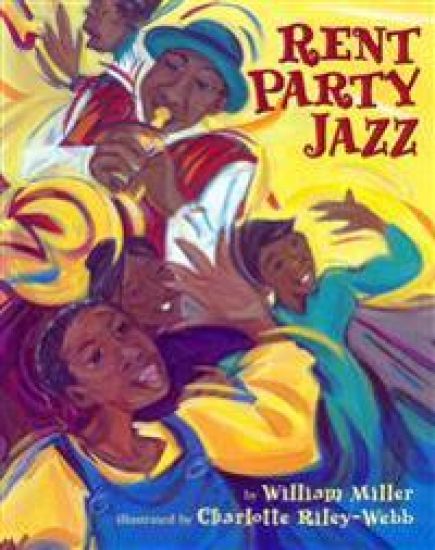
In New Orleans in the 1930's, young Sonny Comeaux has to work before school to help his mother make ends meet. When Mama looses her job, Sonny is worried. Rent day is coming soon, and if they miss paying by just one day, the landlord will put them out on the street and sell their belongings. As Sonny wanders sadly through Jackson Square after school one day, his attention is caught by the lively music of Smilin' Jack, a popular jazz musician. Soon Sonny finds himself telling Smilin' Jack his troubles. What Smilin' Jack tells Sonny then - how to raise money for the rent while having the world's best party - changes both their lives forever. Award-winning author William Miller tells his most affecting story yet, accompanied by Charlotte Riley Webb's brilliantly-colored paintings that perfectly capture the rhythms of New Orleans jazz. This powerful story of family, friendship, and the bonds that bring people together is a timely reminder of the responsibility we all share to help others in a time of need.
This brief, accessible, and inexpensive supplement on American courts and their functions provides undergraduate, or first-year law students, with an understanding of the key substantive and procedural concepts that they need to know to study the law or the judicial process. Recognizing that there are many substantive and procedural concepts about American courts that students must first grasp in order to study the law or the judicial process, this brief text answers important questions about justiciability, standing, jurisdiction, and judicial power. With a stronger historical context, this text is a perfect complement to a text on Constitutional Law, Judicial Process, or a legal casebook, and will help students master the legal vocabulary with which they are confronted.