Kirjojen hintavertailu – 12 859 829 kirjaa ja 27 kauppaa

Kirjailija

William Monter

Kirjat ja teokset yhdessä paikassa: 6 kirjaa, julkaisuja vuosilta 1999–2013, suosituimpiin kuuluu Calvin's Geneva. Vertaile teosten hintoja ja tarkista saatavuus suomalaisista kirjakaupoista.

6 kirjaa

Kirjojen julkaisuvuodet: 1999–2013.

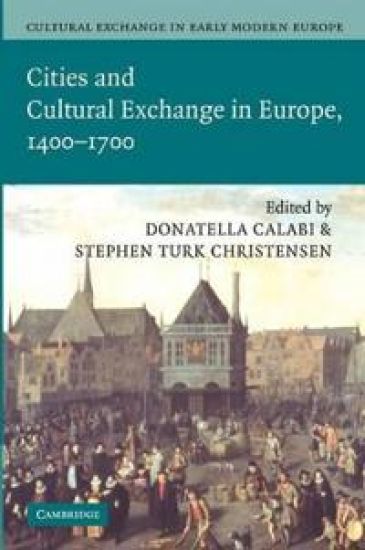
Cultural Exchange in Early Modern Europe

Cultural Exchange in Early Modern Europe

William Monter

Cambridge University Press
2013
pokkari
As transfer points between different economic and cultural zones, cities are crucial to shaping processes of cultural exchange. Urban culture embraces cultural traits borrowed or imported from afar and those of local neighbourhoods, professions and social groups, yet it also offers possibilities for the survival of minority identities. This volume compares the characteristics and patterns of change in the spaces, sites and building, which expressed and shaped inter-cultural relationships within the cities of early modern Europe, especially in their ethnic, religious and international dimensions. A central theme is the role of foreigners and the spaces and buildings associated with them from ghettos, churches and hospitals to colleges, inns and markets. Individual studies include Greeks in Italian cities and London; the 'Cities of Jews' in Italy and the place of ghettos in the European imagination; and the contributions of foreign merchants to the growth of Amsterdam as a commercial metropolis.

The Rise of Female Kings in Europe, 1300-1800

The Rise of Female Kings in Europe, 1300-1800

William Monter

Yale University Press
2012
sidottu
In this lively and pathbreaking book, William Monter sketches Europe's increasing acceptance of autonomous female rulers between the late Middle Ages and the French Revolution. Monter surveys the governmental records of Europe's thirty women monarchs—the famous (Mary Stuart, Elizabeth I, Catherine the Great) as well as the obscure (Charlotte of Cyprus, Isabel Clara Eugenia of the Netherlands)—describing how each of them achieved sovereign authority, wielded it, and (more often than men) abandoned it. Monter argues that Europe's female kings, who ruled by divine right, experienced no significant political opposition despite their gender.
Cultural Exchange in Early Modern Europe

Cultural Exchange in Early Modern Europe

William Monter

Cambridge University Press
2007
sidottu
As transfer points between different economic and cultural zones, cities are crucial to shaping processes of cultural exchange. Urban culture embraces cultural traits borrowed or imported from afar and those of local neighbourhoods, professions and social groups, yet it also offers possibilities for the survival of minority identities. This volume compares the characteristics and patterns of change in the spaces, sites and building, which expressed and shaped inter-cultural relationships within the cities of early modern Europe, especially in their ethnic, religious and international dimensions. A central theme is the role of foreigners and the spaces and buildings associated with them from ghettos, churches and hospitals to colleges, inns and markets. Individual studies include Greeks in Italian cities and London; the 'Cities of Jews' in Italy and the place of ghettos in the European imagination; and the contributions of foreign merchants to the growth of Amsterdam as a commercial metropolis.

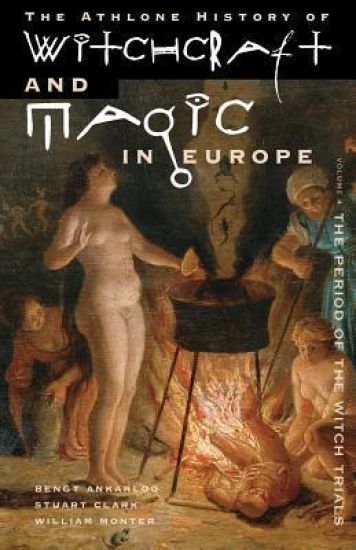
Athlone History of Witchcraft and Magic in Europe

Athlone History of Witchcraft and Magic in Europe

Bengt Ankarloo; Stuart Clark; William Monter

Continuum International Publishing Group Ltd.
2002
pokkari
The fifteenth to eighteenth centuries was a period of witchcraft prosecutions throughout Europe and modern scholars have now devoted a huge amount of research to these episodes. This volume will attempt to bring this work together by summarising the history of the trials in a new way - according to the types of legal systems involved. Other topics covered will be the continued practical use made of magic, the elaboration of demonological theories about witchcraft and magic, and the further development of scientific interests in natural magic through the 'Neoplatonic' and 'Hermetic' period. Amongst the topics included here are Superstition and Belief in high and popular culture, the place of Medicine, Witchcraft survivals in art and literature, and the survival of Persecution.
Judging the French Reformation

Judging the French Reformation

William Monter

Harvard University Press
1999
sidottu
This original look at the French Reformation pits immovable object--the French appellate courts or parlements--against irresistible force--the most dynamic forms of the Protestant Reformation. Without the slightest hesitation, the high courts of Renaissance France opposed these religious innovators. By 1540, the French monarchy had largely removed the prosecution of heresy from ecclesiastical courts and handed it to the parlements. Heresy trials and executions escalated dramatically. But within twenty years, the irresistible force had overcome the immovable object: the prosecution of Protestant heresy, by then unworkable, was abandoned by French appellate courts. Until now no one has investigated systematically the judicial history of the French Reformation. William Monter has examined the myriad encounters between Protestants and judges in French parlements, extracting information from abundant but unindexed registers of official criminal decisions both in Paris and in provincial capitals, and identifying more than 425 prisoners condemned to death for heresy by French courts between 1523 and 1560. He notes the ways in which Protestants resisted the French judicial system even before the religious wars, and sets their story within the context of heresy prosecutions elsewhere in Reformation Europe, and within the long-term history of French criminal justice.