Kirjojen hintavertailu – 12 903 725 kirjaa ja 27 kauppaa
Kirjailija
William Muir
Kirjat ja teokset yhdessä paikassa: 107 kirjaa, julkaisuja vuosilta 1984–2025, suosituimpiin kuuluu The Rise and Decline of Islam. Vertaile teosten hintoja ja tarkista saatavuus suomalaisista kirjakaupoista.
The Caliphate - Its Rise, Decline and Fall is an unchanged, high-quality reprint of the original edition of 1891. Hansebooks is editor of the literature on different topic areas such as research and science, travel and expeditions, cooking and nutrition, medicine, and other genres. As a publisher we focus on the preservation of historical literature. Many works of historical writers and scientists are available today as antiques only. Hansebooks newly publishes these books and contributes to the preservation of literature which has become rare and historical knowledge for the future.
The Coran - Its composition and teaching, and the testimony it bears to the Holy Scriptures is an unchanged, high-quality reprint of the original edition of 1896. Hansebooks is editor of the literature on different topic areas such as research and science, travel and expeditions, cooking and nutrition, medicine, and other genres. As a publisher we focus on the preservation of historical literature. Many works of historical writers and scientists are available today as antiques only. Hansebooks newly publishes these books and contributes to the preservation of literature which has become rare and historical knowledge for the future.
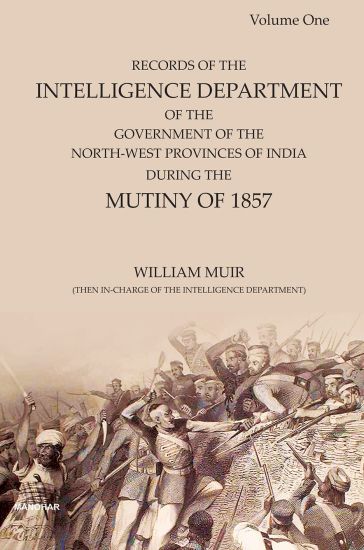
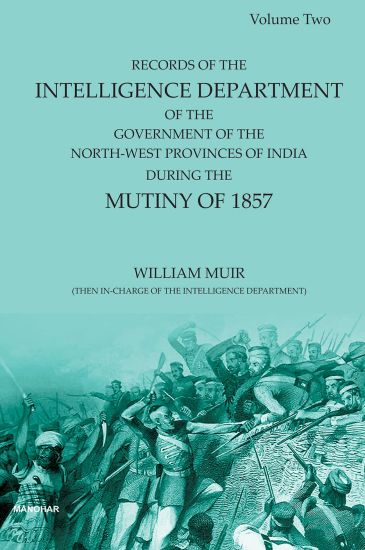
A collection of correspondences and communications – mostly official-that had been exchanged during the 1857 Sepoy Mutiny makes up the two volumes of During the Revolt of 1857. These records of The Intelligence Department of the Government of the North-West Provinces of India were sent by William Muir (who has complied these documents) and other British military personnel (or administrators) to their counterparts in Calcutta, or Kanpur (Cawnpore), Delhi, Meerut, etc. Most of the letters?were?despatched?from? Agra. In addition to the Introduction, which recounts the progression of the Sepoy Mutiny at a personal level too, one can get a stage-by-stage account through the intelligence notes, memoranda, telegrams and letters of the unfolding of the revolt, and the apprehension, uncertainties, anguish and concerns that the officers experienced when the news of massacres and brutalities reached them. One, thus, comes across military advices; status of ammunition, garrisons, cavalry; shortages/ status of medical and other supplies; and precautions and steps decided?upon. Divided into ‘series’, under various heads, Volume One, which opens with a letter dated 18 May 1857 – William Muir has addressed to his mother (in Edinburgh), with news of the rising discontentment among the sepoys – and ends with ‘Eighth Series’. Volume Two, which comprises from ‘Ninth Series’ to the ‘Thirteenth Series’, has similar communications besides details of casualties, wounded or missing. These military communications, thus, provide a detailed narrative of the mutiny, and the mounting tensions and resulting emotions are palpable.
Agra in the Mutiny - and the Family life of W and E. H. Muir in the Fort, 1857: A Sketch for Their Children ist ein unver nderter, hochwertiger Nachdruck der Originalausgabe aus dem Jahr 1896. Hansebooks ist Herausgeber von Literatur zu unterschiedlichen Themengebieten wie Forschung und Wissenschaft, Reisen und Expeditionen, Kochen und Ern hrung, Medizin und weiteren Genres. Der Schwerpunkt des Verlages liegt auf dem Erhalt historischer Literatur. Viele Werke historischer Schriftsteller und Wissenschaftler sind heute nur noch als Antiquit ten erh ltlich. Hansebooks verlegt diese B cher neu und tr gt damit zum Erhalt selten gewordener Literatur und historischem Wissen auch f r die Zukunft bei.
A collection of correspondences and communications – mostly official-that had been exchanged during the 1857 Sepoy Mutiny makes up the two volumes of During the Revolt of 1857. These records of The Intelligence Department of the Government of the North-West Provinces of India were sent by William Muir (who has complied these documents) and other British military personnel (or administrators) to their counterparts in Calcutta, or Kanpur (Cawnpore), Delhi, Meerut, etc. Most of the letters?were?despatched?from? Agra. In addition to the Introduction, which recounts the progression of the Sepoy Mutiny at a personal level too, one can get a stage-by-stage account through the intelligence notes, memoranda, telegrams and letters of the unfolding of the revolt, and the apprehension, uncertainties, anguish and concerns that the officers experienced when the news of massacres and brutalities reached them. One, thus, comes across military advices; status of ammunition, garrisons, cavalry; shortages/ status of medical and other supplies; and precautions and steps decided?upon. Divided into ‘series’, under various heads, Volume One, which opens with a letter dated 18 May 1857 – William Muir has addressed to his mother (in Edinburgh), with news of the rising discontentment among the sepoys – and ends with ‘Eighth Series’. Volume Two, which comprises from ‘Ninth Series’ to the ‘Thirteenth Series’, has similar communications besides details of casualties, wounded or missing. These military communications, thus, provide a detailed narrative of the mutiny, and the mounting tensions and resulting emotions are palpable.