Kirjojen hintavertailu – 12 903 724 kirjaa ja 27 kauppaa

Kirjailija

William Perez

Kirjat ja teokset yhdessä paikassa: 9 kirjaa, julkaisuja vuosilta 2006–2025, suosituimpiin kuuluu Developing Minority Language Resources. Vertaile teosten hintoja ja tarkista saatavuus suomalaisista kirjakaupoista.

9 kirjaa

Kirjojen julkaisuvuodet: 2006–2025.

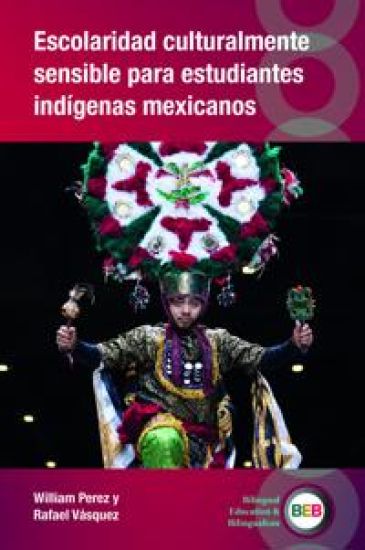
Escolaridad culturalmente sensible para estudiantes indígenas mexicanos

Escolaridad culturalmente sensible para estudiantes indígenas mexicanos

William Perez; Rafael Vásquez

CHANNEL VIEW PUBLICATIONS LTD
2025
nidottu
Este libro examina las experiencias sociales y educativas de una población creciente pero poco estudiada de jóvenes inmigrantes en EE. UU., centrándose en estudiantes multilingües que hablan una de tres lenguas indígenas: zapoteco, mixteco y p’urhépecha. Explora las identidades etnoraciales de los estudiantes, el uso de sus lenguas indígenas y sus prácticas transnacionales, así como la influencia de estos factores en su adaptación escolar, rendimiento académico y trayectorias educativas. Este estudio de métodos mixtos, realizado durante tres años en contextos semiurbanos, urbanos y rurales, analiza entrevistas con estudiantes y docentes, así como datos de encuestas, para ofrecer un panorama de cómo los estudiantes indígenas desarrollan sus identidades sociales. También examina la influencia de sus compañeros y docentes mexicanos no indígenas. El libro resalta nuevos desarrollos en la heterogeneidad cultural y lingüística de la comunidad latina y en las relaciones raciales/étnicas dentro del grupo, brindando información valiosa a legisladores y educadores sobre los estudiantes inmigrantes indígenas y cómo apoyar eficazmente su multilingüismo, el desarrollo de su identidad étnica y su éxito educativo. Esta traducción de Culturally Responsive Schooling for Mexican Indigenous Students proporciona un recurso en español para educadores, legisladores e investigadores en EE. UU. y América Latina. An English-language edition of this book is also available at: https://multilingual-matters.com/page/detail/? K=9781800417526.
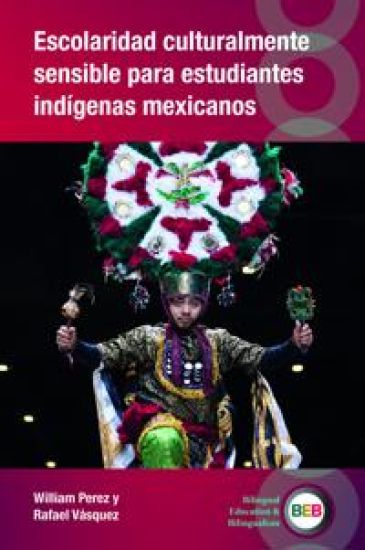
Escolaridad culturalmente sensible para estudiantes indígenas mexicanos

Escolaridad culturalmente sensible para estudiantes indígenas mexicanos

William Perez; Rafael Vásquez

CHANNEL VIEW PUBLICATIONS LTD
2025
sidottu
Este libro examina las experiencias sociales y educativas de una población creciente pero poco estudiada de jóvenes inmigrantes en EE. UU., centrándose en estudiantes multilingües que hablan una de tres lenguas indígenas: zapoteco, mixteco y p’urhépecha. Explora las identidades etnoraciales de los estudiantes, el uso de sus lenguas indígenas y sus prácticas transnacionales, así como la influencia de estos factores en su adaptación escolar, rendimiento académico y trayectorias educativas. Este estudio de métodos mixtos, realizado durante tres años en contextos semiurbanos, urbanos y rurales, analiza entrevistas con estudiantes y docentes, así como datos de encuestas, para ofrecer un panorama de cómo los estudiantes indígenas desarrollan sus identidades sociales. También examina la influencia de sus compañeros y docentes mexicanos no indígenas. El libro resalta nuevos desarrollos en la heterogeneidad cultural y lingüística de la comunidad latina y en las relaciones raciales/étnicas dentro del grupo, brindando información valiosa a legisladores y educadores sobre los estudiantes inmigrantes indígenas y cómo apoyar eficazmente su multilingüismo, el desarrollo de su identidad étnica y su éxito educativo. Esta traducción de Culturally Responsive Schooling for Mexican Indigenous Students proporciona un recurso en español para educadores, legisladores e investigadores en EE. UU. y América Latina. An English-language edition of this book is also available at: https://multilingual-matters.com/page/detail/? K=9781800417526.
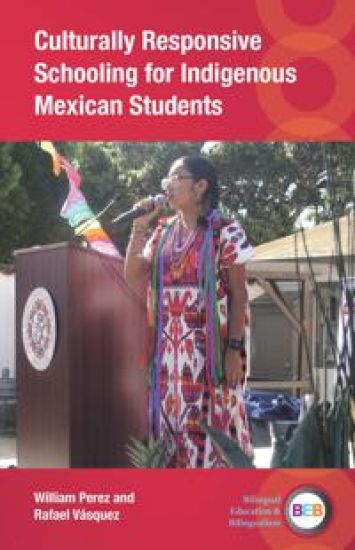
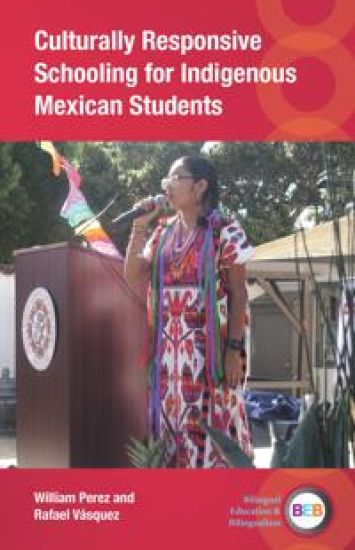
Culturally Responsive Schooling for Indigenous Mexican Students

Culturally Responsive Schooling for Indigenous Mexican Students

William Perez; Rafael Vásquez

MULTILINGUAL MATTERS
2024
sidottu
The first examination of the sociolinguistic, identity, and educational experiences of Indigenous Mexican youths. This book uncovers the social and educational experiences of an increasing yet understudied population of young immigrants in the US, focusing on multilingual students who speak one of three Indigenous languages: Zapotec, Mixtec and P’urhépecha. It explores students’ ethnoracial identities, Indigenous language use and transnational practices and the influence of these factors on school adjustment, academic achievement and educational pathways. This three-year mixed-methods study in semi-urban, urban and rural contexts assesses student interviews, teacher interviews and survey data to provide an account of how Indigenous students develop their social identities and examines the influence of their non-Indigenous Mexican peers and teachers. It highlights new developments in Latinx cultural and linguistic heterogeneity and intragroup race/ethnic relations, informing policymakers and educators about Indigenous immigrant students and how to effectively support their multilingualism, ethnic identity development and educational success. It will be of interest to researchers working in related fields such as education, Latin American studies and immigration studies.
Culturally Responsive Schooling for Indigenous Mexican Students

Culturally Responsive Schooling for Indigenous Mexican Students

William Perez; Rafael Vásquez

MULTILINGUAL MATTERS
2024
nidottu
The first examination of the sociolinguistic, identity, and educational experiences of Indigenous Mexican youths. This book uncovers the social and educational experiences of an increasing yet understudied population of young immigrants in the US, focusing on multilingual students who speak one of three Indigenous languages: Zapotec, Mixtec and P’urhépecha. It explores students’ ethnoracial identities, Indigenous language use and transnational practices and the influence of these factors on school adjustment, academic achievement and educational pathways. This three-year mixed-methods study in semi-urban, urban and rural contexts assesses student interviews, teacher interviews and survey data to provide an account of how Indigenous students develop their social identities and examines the influence of their non-Indigenous Mexican peers and teachers. It highlights new developments in Latinx cultural and linguistic heterogeneity and intragroup race/ethnic relations, informing policymakers and educators about Indigenous immigrant students and how to effectively support their multilingualism, ethnic identity development and educational success. It will be of interest to researchers working in related fields such as education, Latin American studies and immigration studies.
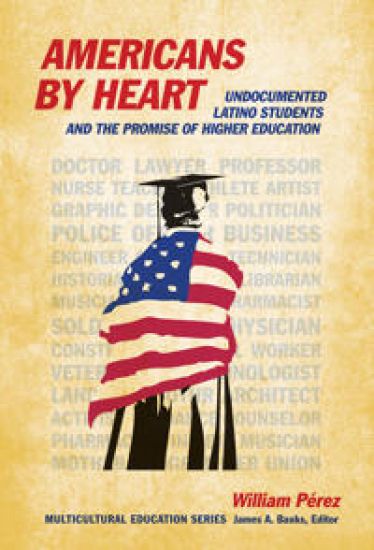
Americans by Heart

Americans by Heart

William Perez

Teachers' College Press
2011
nidottu
Americans by Heart examines the plight of undocumented Latino students as they navigate the educational and legal tightrope presented by their immigration status. Many of these students are accepted to attend some of our best colleges and universities but cannot afford the tuition to do so because they are not eligible for financial aid or employment. For the few that defy the odds and manage to graduate, their status continues to present insurmountable barriers to employment. This timely and compelling account brings to light the hard work and perseverance of these students and their families, their commitment to education and civic participation, and their deep sense of uncertainty and marginality. Offering a rich in-depth analysis, the author presents a new framework for educational policies that recognizes the merit and potential of undocumented Latino students and links their situation to larger social and policy issues of immigration reform and higher education access.
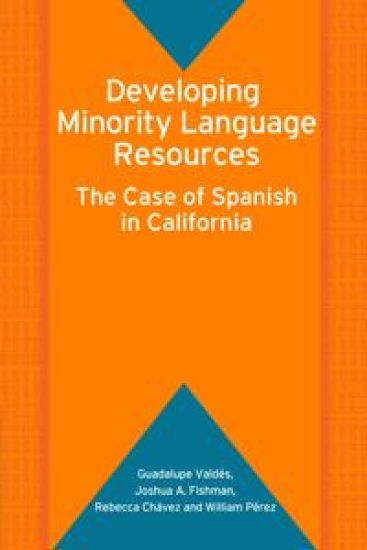
Developing Minority Language Resources

Developing Minority Language Resources

Guadalupe Valdés; Fishman Joshua A.; Rebecca Chávez; William Perez

Channel View Publications
2006
Sidottu
This book documents ongoing language shift to English among Latino professionals in California 67% of which studied Spanish formally in high school and 54% of which studied Spanish in college. Taking into account the recommendations about the teaching of Spanish as a heritage language made by these professionals, the book then describes current instructional practices used in the teaching of Spanish as an academic subject at the high school and university levels to “heritage” language students who, although educated entirely in English, acquired Spanish at home as their first language. The suggestions made by the Professionals concentrated almost exclusively on Spanish language maintenance (e.g., making cultural/historical connections; showing relevance and significance of language to students’ lives, teaching other subjects in Spanish, teaching legal, medical, business terms in Spanish). The study of goals currently guiding instruction for heritage speakers of Spanish at both the high school and the college levels, on the other hand, raise questions about the potential contribution of educational institutions to the maintenance and retention of Spanish among the current Spanish-speaking population of California.
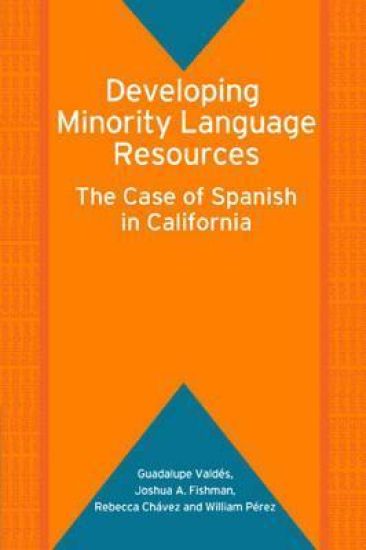
Developing Minority Language Resources

Developing Minority Language Resources

Guadalupe Valdés; Joshua A. Fishman; Rebecca Chávez; William Perez

Multilingual Matters
2006
nidottu
This book documents ongoing language shift to English among Latino professionals in California 67% of which studied Spanish formally in high school and 54% of which studied Spanish in college. Taking into account the recommendations about the teaching of Spanish as a heritage language made by these professionals, the book then describes current instructional practices used in the teaching of Spanish as an academic subject at the high school and university levels to “heritage” language students who, although educated entirely in English, acquired Spanish at home as their first language. The suggestions made by the Professionals concentrated almost exclusively on Spanish language maintenance (e.g., making cultural/historical connections; showing relevance and significance of language to students’ lives, teaching other subjects in Spanish, teaching legal, medical, business terms in Spanish). The study of goals currently guiding instruction for heritage speakers of Spanish at both the high school and the college levels, on the other hand, raise questions about the potential contribution of educational institutions to the maintenance and retention of Spanish among the current Spanish-speaking population of California.