

Kirjailija
William Porter
Kirjat ja teokset yhdessä paikassa: 26 kirjaa, julkaisuja vuosilta 2007–2025, suosituimpiin kuuluu Tale of a Copper Penny. Vertaile teosten hintoja ja tarkista saatavuus suomalaisista kirjakaupoista.
26 kirjaa
Kirjojen julkaisuvuodet: 2007–2025.
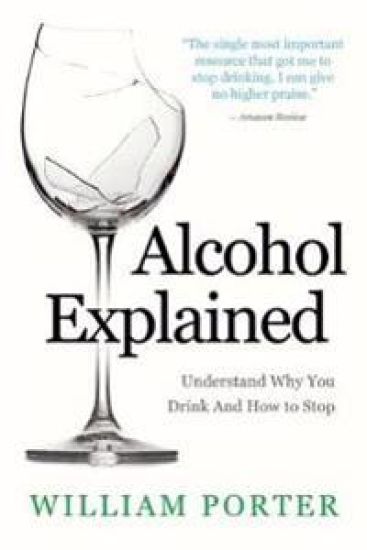
Alcohol Explained is the definitive, ground-breaking guide to alcohol and alcoholism. It explains how alcohol affects human beings on a chemical, physiological and psychological level, from those first drinks right up to chronic alcoholism. Alcoholism and problem drinking seems illogical to those on the outside, indeed it is equally perplexing for the alcoholic or problem drinker. This book provides a logical, easy to follow explanation of the phenomenon and detailed instructions on how to beat it. Despite being entirely scientific and factual in nature the book is presented in an accessible and easily understandable format. For more information and to read the first 5 chapters for free please visit www.alcoholexplained.com." This is an excellent book written by an inquisitive and educated author who during a period of his life suffered from alcoholism. The book explains in an easily understood language the various effects that alcohol has on our body. In my opinion the text would serve as a great handbook not only for those struggling with alcohol but also medical students as part of their education. I am sure some of my own patients troubled with alcoholism in recent years could have benefitted from reading William's book and I will be recommending it going forward." H vard Molvik MD, MRCS, MSc, MRCGP.
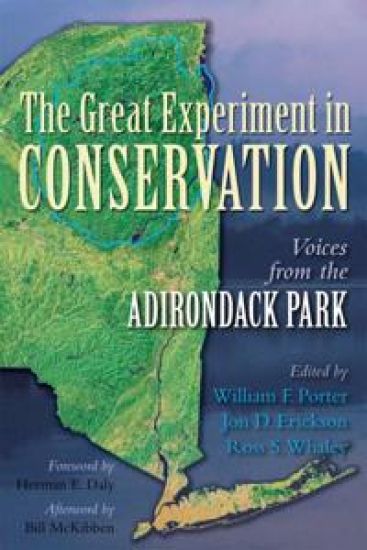
The Adirondack region of New York State is, in many respects, America's cauldron of conservation. It was there, more than a century ago, that wanton exploitation of forests first aroused concern about human impact on the environment. It was there that Americans first began to set aside lands proclaimed as 'forever wild'. The establishment of the Adirondack Park created an immense landscape of 6 million acres composed of a mixture of public and private lands in nearly equal proportion. This unprecedented blend of human communities within wild lands makes the Adirondack Park perhaps one of the greatest case studies in conservation and development in U. S. history. Representing a remarkable achievement in environmental scholarship and drawn from decades of research, ""The Great Experiment in Conservation"" captures the wisdom born of the last thirty years of the park's evolution. The editors bring together leading scholars, activists, and practitioners - those who know the Park's origin and the realities of living in a protected area - to narrate this history. Organized into three sections, contributors explore the ecological, cultural, and economic aspects of the region, drawing lessons from successes and failures as they struggle to find the right balance of private interests and public controls. With keen insight and deep passion, the authors reveal the Adirondack Park's rich natural and cultural history in shaping conservation policy, providing vital contributions to the future study of land preservation.
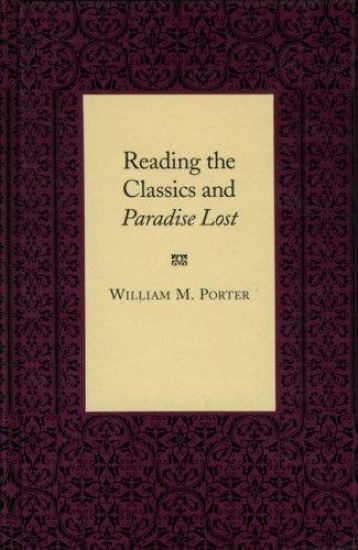
Milton's early commentators—Henry Todd, Thomas Newton, Joseph Addison, and others—not only knew their classics well, they took them seriously as models of literary excellence and repositories of values. In the twentieth century, however, the classics have become mere "background." As a consequence, William M. Porter argues, not only is the foundational dimension of Milton's poetry now hardly visible, even to scholars, but the potential of Milton's poetry to revitalize the reading of the classics has been diminished. In this insightful study, Porter attempts once again to read both the classics and Milton's epic poem sensitively and intelligently. He exposes the recklessly speculative and tendentious character of much earlier work on Milton's allusions, in which allusions were promiscuously posited and in which Paradise Lost was too often regarded naively as triumphing over the classics. Porter demonstrates that Milton's allusions, in which allusions to the classics, while fewer than has been supposed, are rich with wit, irony, and thought that can be grasped only by a reader with a double perspective.