Kirjojen hintavertailu – 12 859 828 kirjaa ja 27 kauppaa

Kirjailija

William Rowlandson

Kirjat ja teokset yhdessä paikassa: 5 kirjaa, julkaisuja vuosilta 2007–2018, suosituimpiin kuuluu Sartre in Cuba–Cuba in Sartre. Vertaile teosten hintoja ja tarkista saatavuus suomalaisista kirjakaupoista.

5 kirjaa

Kirjojen julkaisuvuodet: 2007–2018.

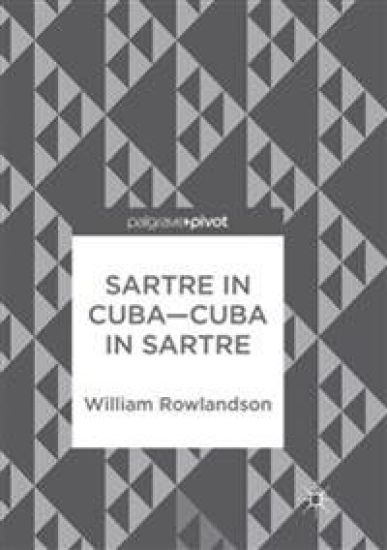
Sartre in Cuba–Cuba in Sartre

Sartre in Cuba–Cuba in Sartre

William Rowlandson

Springer International Publishing AG
2018
nidottu
This book explores Sartre’s engagement with the Cuban Revolution. In early 1960 Jean-Paul Sartre and Simone de Beauvoir accepted the invitation to visit Cuba and to report on the revolution. They arrived during the carnival in a land bursting with revolutionary activity. They visited Che Guevara, head of the National Bank. They toured the island with Fidel Castro. They met ministers, journalists, students, writers, artists, dockers and agricultural workers. Sartre spoke at the University of Havana. Sartre later published his Cuba reports in France-Soir. Sartre endorsed the Cuban Revolution. He made clear his political identification. He opposed colonialism. He saw the US as colonial in Cuban affairs from 1898. He supported Fidel Castro. He supported the agrarian reform. He supported the revolution. His Cuba accounts have been maligned, ignored and understudied. They have been denounced as blind praise of Castro, ‘unabashed propaganda.’They have been criticised for ‘clichés,’ ‘panegyric’ and ‘analytical superficiality.’ They have been called ‘crazy’ and ‘incomprehensible.’ Sartre was called naïve. He was rebuked as a fellow traveller. He was, in the words of Cuban author Guillermo Cabrera Infante, duped by ‘Chic Guevara.’ This book explores these accusations. Were Sartre’s Cuba texts propaganda? Are they blind praise? Was he naïve? Had he been deceived by Castro? Had he deceived his readers? Was he obligated to Castro or to the Revolution? He later buried the reports, and abandoned a separate Cuba book. His relationship with Castro later turned sour. What is the impact of Cuba on Sartre and of Sartre on Cuba?
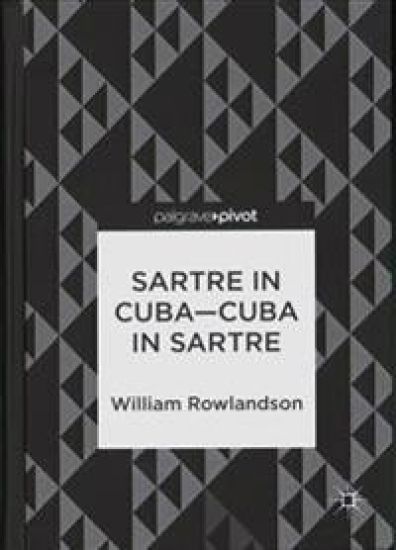
Sartre in Cuba–Cuba in Sartre

Sartre in Cuba–Cuba in Sartre

William Rowlandson

Springer International Publishing AG
2017
sidottu
This book explores Sartre’s engagement with the Cuban Revolution. In early 1960 Jean-Paul Sartre and Simone de Beauvoir accepted the invitation to visit Cuba and to report on the revolution. They arrived during the carnival in a land bursting with revolutionary activity. They visited Che Guevara, head of the National Bank. They toured the island with Fidel Castro. They met ministers, journalists, students, writers, artists, dockers and agricultural workers. Sartre spoke at the University of Havana. Sartre later published his Cuba reports in France-Soir. Sartre endorsed the Cuban Revolution. He made clear his political identification. He opposed colonialism. He saw the US as colonial in Cuban affairs from 1898. He supported Fidel Castro. He supported the agrarian reform. He supported the revolution. His Cuba accounts have been maligned, ignored and understudied. They have been denounced as blind praise of Castro, ‘unabashed propaganda.’They have been criticised for ‘clichés,’ ‘panegyric’ and ‘analytical superficiality.’ They have been called ‘crazy’ and ‘incomprehensible.’ Sartre was called naïve. He was rebuked as a fellow traveller. He was, in the words of Cuban author Guillermo Cabrera Infante, duped by ‘Chic Guevara.’ This book explores these accusations. Were Sartre’s Cuba texts propaganda? Are they blind praise? Was he naïve? Had he been deceived by Castro? Had he deceived his readers? Was he obligated to Castro or to the Revolution? He later buried the reports, and abandoned a separate Cuba book. His relationship with Castro later turned sour. What is the impact of Cuba on Sartre and of Sartre on Cuba?
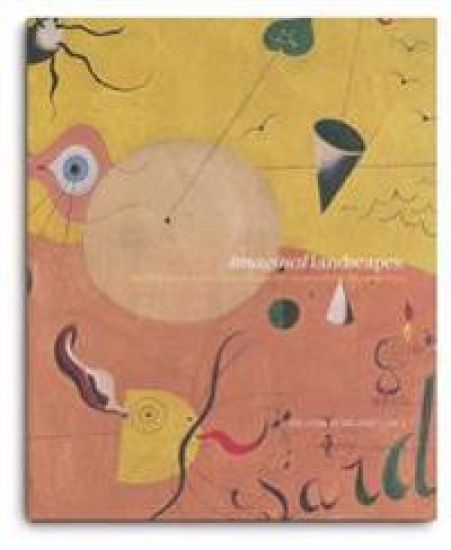
Imaginal Landscapes

Imaginal Landscapes

William Rowlandson; Gary Lachman

The Swedenborg Society
2015
sidottu
In 1978, the great Argentine short story writer Jorge Luis Borges described Emanuel Swedenborg as the most extraordinary man in recorded history. In Imaginal Landscapes, William Rowlandson offers a brief but deep-reaching study of this often-unknown appreciation, showing how the Swedish visionary's influence has gone a long way to explain Borges's preoccupations with parallel existences, the infinite, and the mystery of language. Delightfully written and steeped in a wonderful sense of curiosity, Imaginal Landscapes cements Rowlandson's position as one of the UK's leading scholars on Borges, and it raises important questions about the criteria we often use to assess the lives and works of those thinkers and writers who have come to be labeled as mystics.
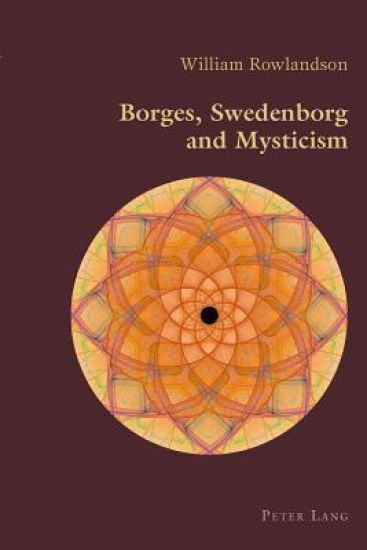
Borges, Swedenborg and Mysticism

Borges, Swedenborg and Mysticism

William Rowlandson

Peter Lang AG, Internationaler Verlag der Wissenschaften
2013
nidottu
Jorge Luis Borges was profoundly interested in the ill-defined and shape-shifting traditions of mysticism. However, previous studies of Borges have not focused on the writer’s close interest in mysticism and mystical texts, especially in the Swedish mystic Emanuel Swedenborg (1688-1772). This book examines the relationship between Borges’ own recorded mystical experiences and his appraisal of Swedenborg and other mystics. It asks the essential question of whether Borges was a mystic by analysing his writings, including short stories, essays, poems and interviews, alongside scholarly writings on mysticism by figures such as William James. The book locates Borges within the scholarship of mysticism by evaluating his many assertions and suggestions as to what is or is not a mystic and, in so doing, analyses the influence of James and Ralph Waldo Emerson on Borges’ reading of Swedenborg and mysticism. The author argues further that Swedenborg constitutes a far richer presence in Borges’ work than scholarship has hitherto acknowledged, and assesses the presence of Swedenborg in Borges’ aesthetics, ethics and poetics.
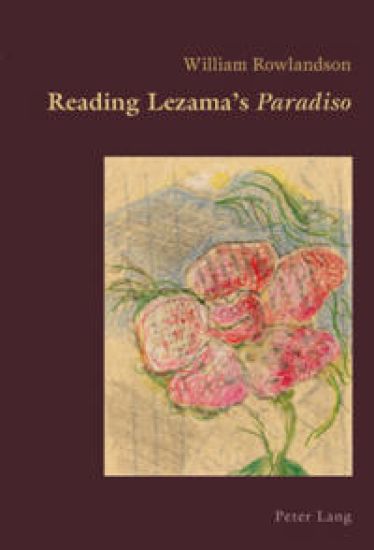
Reading Lezama's Paradiso

Reading Lezama's Paradiso

William Rowlandson

Verlag Peter Lang
2007
nidottu
This book focuses on the novel "Paradiso" of Cuban author Jose Lezama Lima (1910-1976), and in particular on the protagonist Jose Cemi. It examines the development of Cemi according to the three distinct phases detailed by Lezama: the 'placentario' world of family protection, the awakening to the exterior world and the subsequent friendships made, and the eventual encounters with Oppiano Licario. Cemi's progression, and his growing ability to interpret and create texts, is analysed as analogous to the reader's progression through the novel. In this respect, both the reader and Cemi are obliged to interpret the complex symbolism according to interpretative skills acquired from the text itself. In a similar fashion, the connection between Cemi's 'guide' Licario, and the author Lezama is investigated. By exploring these connections between reader and protagonist, author and character, the author of this work suggests a radical and hitherto unexplored approach to the text of Lezama."