Kirjailija
William Shakespeare
Kirjat ja teokset yhdessä paikassa: 4 976 kirjaa, julkaisuja vuosilta 1798–2027, suosituimpiin kuuluu Hamlet. Vertaile teosten hintoja ja tarkista saatavuus suomalaisista kirjakaupoista.
4 976 kirjaa
Kirjojen julkaisuvuodet: 1798–2027.
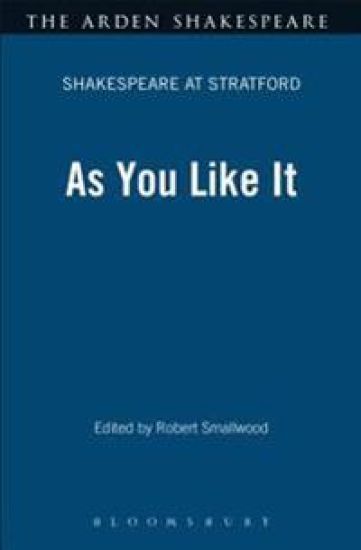
In a period during which a play previously staged very traditionally was represented in a variety of original ways, Robert Smallwood looks at what we could call the 'Seven Ages of As You Like It' by considering just what directors, designers and actors did differently to make their vision original. How are the environments of the court and the Forest of Arden presented; bleak and chilling or welcoming and celebratory? What does each actress bring to the crucial role of Rosalind that will help show the journey from her relationship with Celia to that with Orlando? How are the anti-romantic Touchstone and Jaques portrayed? How successfully is Hymen, the god of marriage, brought to the stage? This engaging volume celebrates the rich performance history of an always popular play. In a period during which a play previously staged very traditionally was represented in a variety of original ways, Robert Smallwood looks at what we could call the 'Seven Ages of As You Like It' by considering just what directors, designers and actors did differently to make their vision original. How are the environments of the court and the Forest of Arden presented; bleak and chilling or welcoming and celebratory? What does each actress bring to the crucial role of Rosalind that will help show the journey from her relationship with Celia to that with Orlando? How are the anti-romantic Touchstone and Jaques portrayed? How successfully is Hymen, the god of marriage, brought to the stage? This engaging volume celebrates the rich performance history of an always popular play.
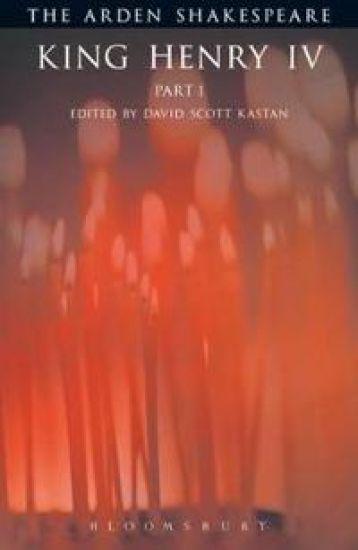
King Henry IV Part 1
William Shakespeare
The Arden Shakespeare
2002
nidottu
Halvin toimitettuna 25,70 €
David Scott Kastan lucidly explores the remarkable richness and the ambitious design of King Henry IV Part 1 and shows how these complicate any easy sense of what kind of play it is. Conventionally regarded as a history play, much of it is in fact conspicuously invented fiction, and Kastan argues that the non-historical, comic plot does not simply parody the historical action but by its existence raises questions about the very nature of history. The full and engaging introduction devotes extensive discussion to the play's language, indicating how its insistent economic vocabulary provides texture for the social concerns of the play and focuses attention on the central relationship between value and political authority.
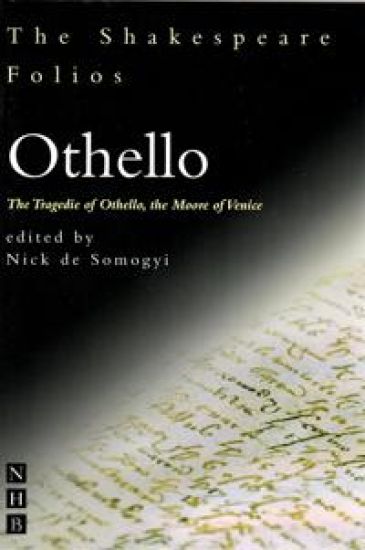
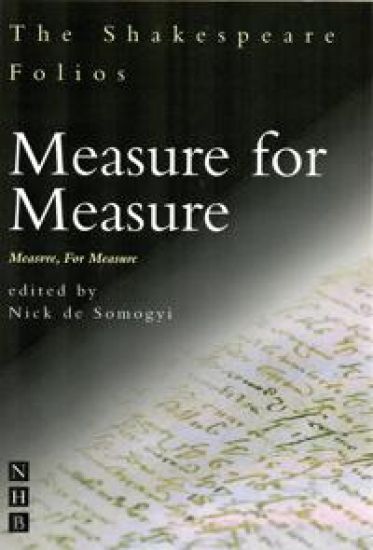
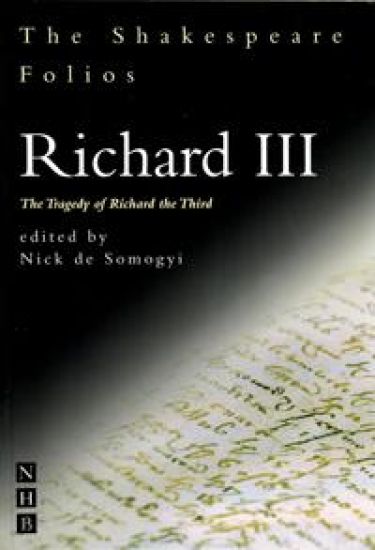
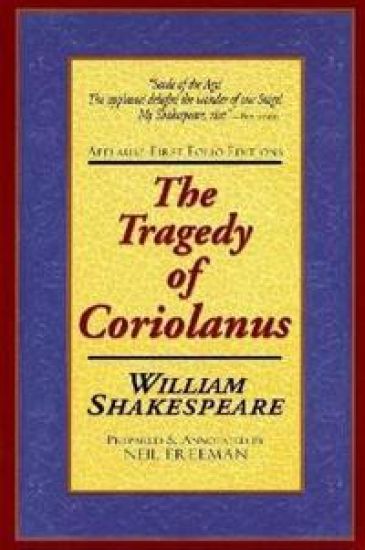
The Shakespeare Folios series - offering the absolute authenticity of the First Folio in a totally accessible form. 'A quite wonderful idea... So blindingly obvious, I can't understand why nobody had thought of it before. I will certainly use the texts myself' - Peter Hall This edition accurately reproduces the text of the Shakespeare First Folio (1623), but in modern type. At a stroke the dust of ages is blown away and what Shakespeare actually intended is revealed to modern readers. Now Shakespeareans everywhere - students, actors, directors - can see for themselves what the Folio really says. As a further aid to understanding, on each opposing page the same text appears in a fully modernised version - a useful safety net whenever the Folio becomes problematic. Each volume also contains: - an introduction to the particular play - textual notes - an appendix giving variant versions from the Quarto where appropriate - a facsimile page from the First Folio
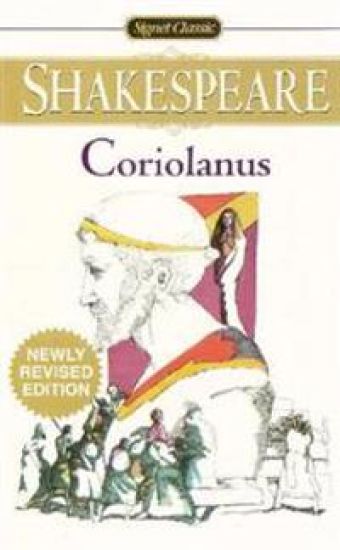
The story of an Ancient Roman soldier whose political machinations and military might gain him heroic status, but ultimately lead to his assassination.
Two brand new plays for children incorporating some of the most beautiful verse Shakespeare ever wrote. The Forty Minute Tempest recreates the world of Shakespeare's great play as told by Prospero and Ariel as they journey towards Prospero's retirement and Ariel's freedom. Using storytelling techniques, puppetry, the modern idiom, and Shakespeare's verse for it's more heightened moments, it magically brings to life the world of Prospero's island. The perfect introduction to the words of the Bard. King Ram is the story of an old king with a foolish plan to split his lands between his two daughters, Regan and Cordelia, and of a ten year old boy's desperate search for a baby's father. Based on Shakespeare's King Lear, it draws on many of the same themes: nature, madness, treatment of the elderly, and family relationships. The Forty Minute Tempest opens at the National Theatre in May 2002.
The Nick Hern Books RSC Classics - a series of rarely performed plays from the 16th and 17th centuries, published alongside their resurrection by the Royal Shakespeare Company in Stratford-upon-Avon and the West Officially attributed to Shakespeare only in 1998, Edward III is set in the age of chivalry and chronicles the beginning of the 100 Years War. Following the exploits of Edward, the Black Prince, it also acts as a prequel to Richard II. This edition of the play is edited with an introduction by Roger Warren and preface by Gregory Doran. The plays in the RSC Classics series reflect the diversity of styles, themes and subjects of the Elizabethan and Jacobean stage, and include a 'new' addition to the Shakespeare canon.
König Richard III. /King Richard III (Shakespeare Gesamtausgabe, Band 11) - zweisprachige Ausgabe
William Shakespeare
Ars Vivendi
2002
sidottu
:Besonderes Augenmerk legt der ars vivendi verlag auf die Ausstattung. Jeder Hardcover-Band ist auf mattweißem Werkdruckpapier der Firma Schleipen gedruckt. Fadengeheftet, mit zwei farbigen Lesebändchen ausgestattet, wird er in feines, silbergraues Karneval-Leinen der französischen Firma Texlibris gebunden. Die dezente Einbandgestaltung mit Schrift und Signum ist mit Folien der Firma Kurz direkt auf das Leinen geprägt. Dabei korrespondieren die Farben des jeweiligen Signums mit den Farben der beiden Lesebändchen. Ein Folienumschlag schützt den Band.
Peter Brook's production of "Hamlet" opened in Paris in November 2000, before embarking on a world tour which ends in London in August 2001. The production has received an extraordinary amount of attention. This volume contains the text of "Hamlet" as played in Brook's production, accompanied by a host of photos. With an introduction by Brook himself, the book serves as a record of one of the most significant productions of recent years and as a contribution to the continuing debate about how Shakespeare should be staged.
Lesebändchen
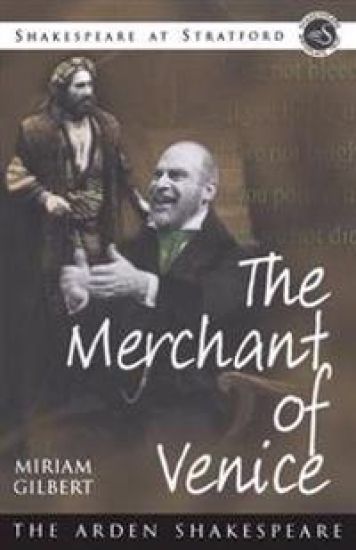
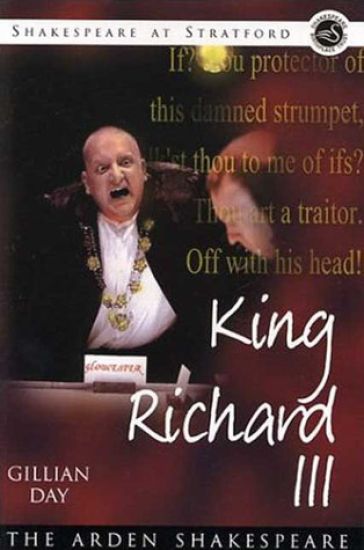
The Arden Shakespeare, in association with the Shakespeare Birthplace Trust, presents a new series of volumes on Shakespeare's plays in performance. The series discusses and analyses the wide range of theatrical interpretation stimulated and provoked by the most frequently performed plays. Each volume explores how different directors, designers and actors have interpreted and adapted an individual play in terms of narrative focus, themes and characters, scenery and costume. The focus is on productions at Stratford-upon-Avon since 1945, on the basis that the record of Shakespeare performances at Stratford's theatres offers a wider, fuller and more various range of interpretation than is offered by any other theatre company. The volumes also set this record in a wider geographical and chronological context by means of a historical overview of earlier productions and of productions beyond Stratford. Published in conjunction with the Shakespeare Birthplace Trust, each volume features a wealth of photographs (many of them not previously seen in print) drawn from the archive of RSC performance materials held in the Trust's library at the Shakespeare Centre in Stratford. Shakespeare at Stratford will surprise, inform and delight both students and scholars of Shakespeare and performance history and the general reader with an interest in theatre.
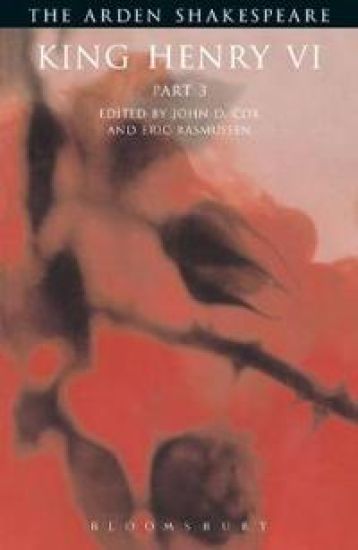
In their lively and engaging edition of this sometimes neglected early play, Cox and Rasmussen make a strong claim for it as a remarkable work, revealing a confidence and sureness that very few earlier plays can rival. They show how the young Shakespeare, working closely from his chronicle sources, nevertheless freely shaped his complex material to make it both theatrically effective and poetically innovative. The resulting work creates, in Queen Margaret, one of Shakespeare's strongest female roles and is the source of the popular view of Richard Neville, Earl of Warwick as 'kingmaker'. Focusing on the history of the play both in terms of both performance and criticism, the editors open it to a wide and challenging variety of interpretative and editorial paradigms.
The Arden Shakespeare, in association with the Shakespeare Birthplace Trust, presents a new series of volumes on Shakespeare's plays in performance. The series discusses and analyses the wide range of theatrical interpretation stimulated and provoked by the most frequently performed plays. Each volume explores how different directors, designers and actors have interpreted and adapted an individual play in terms of narrative focus, themes and characters, scenery and costume. The focus is on productions at Stratford-upon-Avon since 1945, on the basis that the record of Shakespeare performances at Stratford's theatres offers a wider, fuller and more various range of interpretation than is offered by any other theatre company. The volumes also set this record in a wider geographical and chronological context by means of a historical overview of earlier productions and of productions beyond Stratford. Published in conjunction with the Shakespeare Birthplace Trust, each volume features a wealth of photographs (many of them not previously seen in print) drawn from the archive of RSC performance materials held in the Trust's library at the Shakespeare Centre in Stratford. Shakespeare at Stratford will surprise, inform and delight both students and scholars of Shakespeare and performance history and the general reader with an interest in theatre. For many years it was commonplace to dismiss The Winter's Tale as too complex or too crudely constructed to be staged successfully. This in-depth study demonstrates how individual performances have challenged this viewpoint and testify rather to the play's stage-worthiness and its potent effect on audiences. Dr Tatspaugh gives an overview of the play's stage history and a detailed discussion of nine productions, revealing how directors, designers and actors have explored the richness of this late romance, and how their explorations have revealed the compelling nature of the play in performance.
In their lively and engaging edition of this sometimes neglected early play, Cox and Rasmussen make a strong claim for it as a remarkable work, revealing a confidence and sureness that very few earlier plays can rival. They show how the young Shakespeare, working closely from his chronicle sources, nevertheless freely shaped his complex material to make it both theatrically effective and poetically innovative. The resulting work creates, in Queen Margaret, one of Shakespeare's strongest female roles and is the source of the popular view of Richard Neville, Earl of Warwick as 'kingmaker'. Focusing on the history of the play both in terms of both performance and criticism, the editors open it to a wide and challenging variety of interpretative and editorial paradigms.
The Shakespeare Folios series - offering the absolute authenticity of the First Folio in a totally accessible form. 'A quite wonderful idea... So blindingly obvious, I can't understand why nobody had thought of it before. I will certainly use the texts myself' - Peter Hall This edition accurately reproduces the text of the Shakespeare First Folio (1623), but in modern type. At a stroke the dust of ages is blown away and what Shakespeare actually intended is revealed to modern readers. Now Shakespeareans everywhere - students, actors, directors - can see for themselves what the Folio really says. As a further aid to understanding, on each opposing page the same text appears in a fully modernised version - a useful safety net whenever the Folio becomes problematic. Each volume also contains: - an introduction to the particular play - textual notes - an appendix giving variant versions from the Quarto where appropriate - a facsimile page from the First Folio
The Shakespeare Folios series - offering the absolute authenticity of the First Folio in a totally accessible form. This edition accurately reproduces the text of the Shakespeare First Folio (1623), but in modern type. At a stroke the dust of ages is blown away and what Shakespeare actually intended is revealed to modern readers. Now Shakespeareans everywhere - students, actors, directors - can see for themselves what the Folio really says. As a further aid to understanding, on each opposing page the same text appears in a fully modernised version - a useful safety net whenever the Folio becomes problematic. Each volume also contains: - an introduction to the particular play - textual notes - an appendix giving variant versions from the Quarto where appropriate - a facsimile page from the First Folio 'A quite wonderful idea... So blindingly obvious, I can't understand why nobody had thought of it before. I will certainly use the texts myself' Peter Hall
The Shakespeare Folios series - offering the absolute authenticity of the First Folio in a totally accessible form. 'A quite wonderful idea... So blindingly obvious, I can't understand why nobody had thought of it before. I will certainly use the texts myself' - Peter Hall This edition accurately reproduces the text of the Shakespeare First Folio (1623), but in modern type. At a stroke the dust of ages is blown away and what Shakespeare actually intended is revealed to modern readers. Now Shakespeareans everywhere - students, actors, directors - can see for themselves what the Folio really says. As a further aid to understanding, on each opposing page the same text appears in a fully modernised version - a useful safety net whenever the Folio becomes problematic. Each volume also contains: - an introduction to the particular play - textual notes - an appendix giving variant versions from the Quarto where appropriate - a facsimile page from the First Folio
If there ever has been a groundbreaking edition that likewise returns the reader to the original Shakespeare text it will be the Applause Folio Texts. If there has ever been an accessible version of the Folio it is this edition set for the first time in modern fonts. THThe Folio is EtheE source of all other editions. The Folio text forces us to re-examine the assumptions and prejudices which have encumbered over four hundred years of scholarship and performance. Notes refer the reader to subsequent editorial interventions and offer the reader a multiplicity of interpretations. Notes also advise the reader on variations between Folios and Quartos. THThe heavy mascara of four centuries of Shakespearean glossing has by now glossed over the original countenance of Shakespeare's work. Never has there been a Folio available in modern reading fonts. While other complete Folio editions continue to trade simply on the facsimile appearance of the Elizabethan look none of them is easily and practically utilized in general Shakespeare studies or performances.