Kirjojen hintavertailu – 12 903 725 kirjaa ja 27 kauppaa

Kirjailija

William Wilberforce

Kirjat ja teokset yhdessä paikassa: 73 kirjaa, julkaisuja vuosilta 1797–2026, suosituimpiin kuuluu A Letter on the Abolition of the Slave Trade. Vertaile teosten hintoja ja tarkista saatavuus suomalaisista kirjakaupoista.

73 kirjaa

Kirjojen julkaisuvuodet: 1797–2026.

Résumé Du Discours Prononcé Dans La Chambre Des Communes, Le 27 Juin 1822, Sur l'État Actuel
Resume du discours prononce par M. Wilberforce dans la Chambre des communes, le 27 juin 1822, sur l'etat actuel de la traite des negresDate de l'edition originale: 1822Sujet de l'ouvrage: Traite des esclavesCe livre est la reproduction fidele d'une oeuvre publiee avant 1920 et fait partie d'une collection de livres reimprimes a la demande editee par Hachette Livre, dans le cadre d'un partenariat avec la Bibliotheque nationale de France, offrant l'opportunite d'acceder a des ouvrages anciens et souvent rares issus des fonds patrimoniaux de la BnF. Les oeuvres faisant partie de cette collection ont ete numerisees par la BnF et sont presentes sur Gallica, sa bibliotheque numerique. En entreprenant de redonner vie a ces ouvrages au travers d'une collection de livres reimprimes a la demande, nous leur donnons la possibilite de rencontrer un public elargi et participons a la transmission de connaissances et de savoirs parfois difficilement accessibles. Nous avons cherche a concilier la reproduction fidele d'un livre ancien a partir de sa version numerisee avec le souci d'un confort de lecture optimal. Nous esperons que les ouvrages de cette nouvelle collection vous apporteront entiere satisfaction. Pour plus d'informations, rendez-vous sur www.hachettebnf.frhttp: //gallica.bnf.fr/ark: /12148/bpt6k82302m
Lettre À l'Empereur Alexandre Sur La Traite Des Noirs

Lettre À l'Empereur Alexandre Sur La Traite Des Noirs

William Wilberforce

Hachette Livre - BNF
2014
pokkari
Lettre a l'Empereur Alexandre sur la traite des noirs, par William Wilberforce, ... Date de l'edition originale: 1822Sujet de l'ouvrage: Traite des esclavesCe livre est la reproduction fidele d'une oeuvre publiee avant 1920 et fait partie d'une collection de livres reimprimes a la demande editee par Hachette Livre, dans le cadre d'un partenariat avec la Bibliotheque nationale de France, offrant l'opportunite d'acceder a des ouvrages anciens et souvent rares issus des fonds patrimoniaux de la BnF. Les oeuvres faisant partie de cette collection ont ete numerisees par la BnF et sont presentes sur Gallica, sa bibliotheque numerique. En entreprenant de redonner vie a ces ouvrages au travers d'une collection de livres reimprimes a la demande, nous leur donnons la possibilite de rencontrer un public elargi et participons a la transmission de connaissances et de savoirs parfois difficilement accessibles. Nous avons cherche a concilier la reproduction fidele d'un livre ancien a partir de sa version numerisee avec le souci d'un confort de lecture optimal. Nous esperons que les ouvrages de cette nouvelle collection vous apporteront entiere satisfaction. Pour plus d'informations, rendez-vous sur www.hachettebnf.frhttp: //gallica.bnf.fr/ark: /12148/bpt6k82303z
A Letter on the Abolition of the Slave Trade

A Letter on the Abolition of the Slave Trade

William Wilberforce

Cambridge University Press
2011
pokkari
William Wilberforce (1759–1833) was a politician, philanthropist and evangelical Christian, now best known for his work to end the slave trade. Elected to Parliament in 1780, he campaigned unsuccessfully for penal and electoral reform. In 1787, at the encouragement of William Pitt, he took up the cause of abolition at Westminster, but humanitarian and ethical arguments were slow to overcome the economic interests of those who had made fortunes from the slave trade or the use of slave labour. It was not until 1807 that the Abolition Bill was finally passed: shortly beforehand, Wilberforce had published this Letter to his constituents, justifying his preoccupation with abolition against claims that he was neglecting their local interests at Westminster, and setting out all his arguments against the slave trade. It is followed by his 1814 letter to Talleyrand, calling for a Europe-wide ban of the trade.
The Life of William Wilberforce

The Life of William Wilberforce

William Wilberforce

Cambridge University Press
2011
pokkari
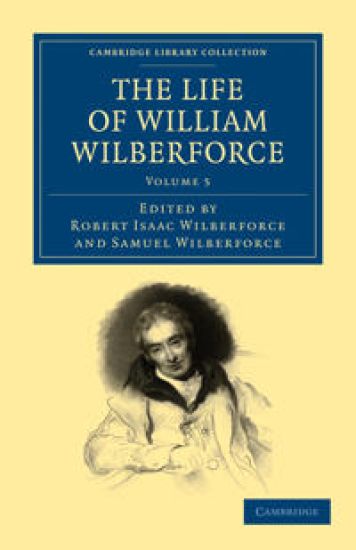
William Wilberforce (1759–1833) was a politician, philanthropist and evangelical Christian, now best known for his work to end the slave trade. Elected to Parliament in 1780, he campaigned unsuccessfully for penal and electoral reform. In 1787, at the encouragement of his friend William Pitt, he took up the cause of abolition at Westminster and lobbied influential people tirelessly, but humanitarian and ethical arguments were slow to overcome the economic interests of those who had made fortunes from the slave trade or the use of slave labour. It was not until 1807 that the Abolition Bill was finally passed. Wilberforce continued his work for emancipation, and also campaigned for religious liberty. This biography, based on his own writings, was published by two of his sons in 1838, but sheds more light on religious than on political aspects of his life. Volume 5 covers the period from 1818 until Wilberforce's death.
The Life of William Wilberforce

The Life of William Wilberforce

William Wilberforce

Cambridge University Press
2011
pokkari
William Wilberforce (1759–1833) was a politician, philanthropist and evangelical Christian, now best known for his work to end the slave trade. Elected to Parliament in 1780, he campaigned unsuccessfully for penal and electoral reform. In 1787, at the encouragement of his friend William Pitt, he took up the cause of abolition at Westminster and lobbied influential people tirelessly, but humanitarian and ethical arguments were slow to overcome the economic interests of those who had made fortunes from the slave trade or the use of slave labour. It was not until 1807 that the Abolition Bill was finally passed. Wilberforce continued his work for emancipation, and also campaigned for religious liberty. This biography, based on his own writings, was published by two of his sons in 1838, but sheds more light on religious than on political aspects of his life. Volume 4 covers the period from 1812 to 1818.
The Life of William Wilberforce

The Life of William Wilberforce

William Wilberforce

Cambridge University Press
2011
pokkari
William Wilberforce (1759–1833) was a politician, philanthropist and evangelical Christian, now best known for his work to end the slave trade. Elected to Parliament in 1780, he campaigned unsuccessfully for penal and electoral reform. In 1787, at the encouragement of his friend William Pitt, he took up the cause of abolition at Westminster and lobbied influential people tirelessly, but humanitarian and ethical arguments were slow to overcome the economic interests of those who had made fortunes from the slave trade or the use of slave labour. It was not until 1807 that the Abolition Bill was finally passed. Wilberforce continued his work for emancipation, and also campaigned for religious liberty. This biography, based on his own writings, was published by two of his sons in 1838, but sheds more light on religious than on political aspects of his life. Volume 3 covers the period from 1800 until 1812.
The Life of William Wilberforce

The Life of William Wilberforce

William Wilberforce

Cambridge University Press
2011
pokkari
William Wilberforce (1759–1833) was a politician, philanthropist and evangelical Christian, now best known for his work to end the slave trade. Elected to Parliament in 1780, he campaigned unsuccessfully for penal and electoral reform. In 1787, at the encouragement of his friend William Pitt, he took up the cause of abolition at Westminster and lobbied influential people tirelessly, but humanitarian and ethical arguments were slow to overcome the economic interests of those who had made fortunes from the slave trade or the use of slave labour. It was not until 1807 that the Abolition Bill was finally passed. Wilberforce continued his work for emancipation, and also campaigned for religious liberty. This biography, based on his own writings, was published by two of his sons in 1838, but sheds more light on religious than on political aspects of his life. Volume 2 covers the period from 1792 to 1800.
The Life of William Wilberforce

The Life of William Wilberforce

William Wilberforce

Cambridge University Press
2011
pokkari
William Wilberforce (1759–1833) was a politician, philanthropist and evangelical Christian, now best known for his work to end the slave trade. Elected to Parliament in 1780, he campaigned unsuccessfully for penal and electoral reform. In 1787, at the encouragement of his friend William Pitt, he took up the cause of abolition at Westminster and lobbied influential people tirelessly, but humanitarian and ethical arguments were slow to overcome the economic interests of those who had made fortunes from the slave trade or the use of slave labour. It was not until 1807 that the Abolition Bill was finally passed. Wilberforce continued his work for emancipation, and also campaigned for religious liberty. This biography, based on his own writings, was published by two of his sons in 1838, but sheds more light on religious than on political aspects of his life. Volume 1 covers the period from his birth until 1792.
The Correspondence of William Wilberforce

The Correspondence of William Wilberforce

William Wilberforce

Cambridge University Press
2011
pokkari
William Wilberforce (1759–1833) was a politician, philanthropist and evangelical Christian, now best known for his work to end the slave trade. Elected to Parliament in 1780, he campaigned unsuccessfully for penal and electoral reform. In 1787, at the encouragement of his friend William Pitt, he took up the cause of abolition at Westminster, while Thomas Clarkson and others collected evidence and mobilised popular opinion. Wilberforce also lobbied tirelessly for the cause, but humanitarian and ethical arguments were slow to overcome the economic interests of those who had made fortunes from the slave trade or the use of slave labour. It was not until 1807 that the Abolition Bill was finally passed. Wilberforce continued his work for the emancipation of slaves, and also campaigned for religious liberty. This work, edited by two of his sons and published in 1840, includes their reply to criticisms by Thomas Clarkson of their earlier biography.
The Correspondence of William Wilberforce

The Correspondence of William Wilberforce

William Wilberforce

Cambridge University Press
2011
pokkari
William Wilberforce (1759–1833) was a politician, philanthropist and evangelical Christian, now best known for his work to end the slave trade. Elected to Parliament in 1780, he campaigned unsuccessfully for penal and electoral reform. In 1787, at the encouragement of his friend William Pitt, he took up the cause of abolition at Westminster, while Thomas Clarkson and others collected evidence and mobilised popular opinion. Wilberforce also lobbied tirelessly for the cause, but humanitarian and ethical arguments were slow to overcome the economic interests of those who had made fortunes from the slave trade or the use of slave labour. It was not until 1807 that the Abolition Bill was finally passed. Wilberforce continued his work for the emancipation of slaves, and also campaigned for religious liberty. This work, edited by two of his sons and published in 1840, includes their reply to criticisms by Thomas Clarkson of their earlier biography.