Kirjailija
Wolfgang Welsch
Kirjat ja teokset yhdessä paikassa: 16 kirjaa, julkaisuja vuosilta 1996–2025, suosituimpiin kuuluu Umdenken. Vertaile teosten hintoja ja tarkista saatavuus suomalaisista kirjakaupoista.
16 kirjaa
Kirjojen julkaisuvuodet: 1996–2025.
Wolfgang Welsch demonstrates for the first time that transculturality - the mixed constitution of cultures - is by no means only a characteristic of the present, but has de facto determined the composition of cultures since time immemorial. The historical transculturality is demonstrated using examples from the arts. While transculturality was often viewed with reservation where political, social, or psychological levels were at stake, it was rather welcomed and appreciated in the field of art. The book therefore demonstrates the historical prevalence of transculturality via all areas of art and does so with respect to all cultures and continents of our world.
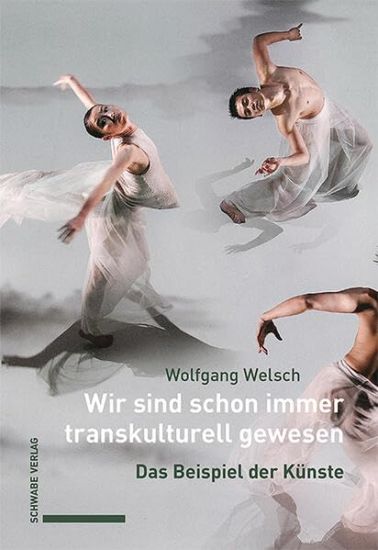
Wir Sind Schon Immer Transkulturell Gewesen: Das Beispiel Der Kunste
Wolfgang Welsch
Schwabe Verlag
2024
nidottu
Kulturen sind durch Mischungen gekennzeichnet. Das ist nicht erst heute so; auch in der Vergangenheit waren sie keineswegs homogen oder rein. Um diese historische Transkulturalitat zu zeigen, bedient sich Wolfgang Welsch der Kunst als Sonde. Denn wahrend Transkulturalitat politisch, gesellschaftlich und psychologisch oft reserviert beaugt wurde, war sie im Bereich der Kunst weitaus weniger kontrovers, sondern wurde hier geradezu begrusst und konnte vergleichsweise ungehindert zum Ausdruck kommen. Anhand der Kunst zeigt das Buch daher die historische Transkulturalitat auf. Dies geschieht am Beispiel aller moglichen Sparten: von Malerei, Skulptur, Druckgrafik und Architektur uber Literatur, Musik, Theater, Tanz, Oper und Comic sowie mit Blick auf samtliche Kontinente und Kulturen dieser Welt.



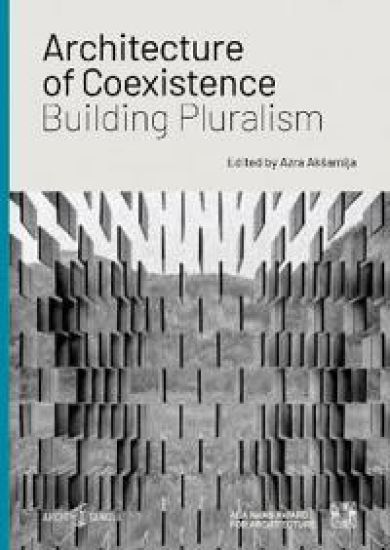
Architecture of Coexistence: Building Pluralism
Mohammad al-Asad; Ali S. Asani; Simon Burtscher-Matis; Amila Buturovic; Farrokh Derakhshani; Robert Fabach; Eva Grabherr; Amra Hadžimuhamedovic; Tina Gudrun Jensen; Jennifer Mack; Nasser Rabbat; Barbara Steiner; Helen Walasek; Wolfgang Welsch; Azra Akšamija
ArchiTangle GmbH
2020
sidottu
Architecture of Coexistence: Building Pluralism This book investigates how architecture can shape an open-minded and inclusive society, highlighting three internationally renowned projects: the White Mosque in Visoko, Bosnia-Herzegovina (1980); the Islamic Cemetery Altach in Altach, Austria (2012); and the Superkilen public park in Copenhagen, Denmark (2012). Scholarly essays across various disciplines, along with interviews with the architects and users of these projects, provide intriguing insights into architecture’s ability to bridge cultural differences. Soliciting a wide array of questions about migration, transculturalism, visibility, inclusion, and exclusion, the book sheds light on the long-term social processes generated between architectural form and its users. Architecture of Coexistence offers a truly interdisciplinary perspective on a very timely subject: “Building pluralism” means designing for a respectful inclusion of different cultural needs, practices, and traditions. With contributions by Azra Akšamija, Mohammad al-Asad, Ali S. Asani, Simon Burtscher-Matis, Amila Buturovic, Farrokh Derakhshani, Robert Fabach, Eva Grabherr, Amra Hadžimuhamedovic, Tina Gudrun Jensen, Jennifer Mack, Nasser Rabbat, Barbara Steiner, Helen Walasek and Wolfgang Welsch. Photo essays by Velibor Božovic, Cemal Emden, Jesper Lambaek, and Nikolaus Walter.
Fast 25 Jahre nach seinem Bestseller Unsere postmoderne Moderne legt Wolfgang Welsch eine neuartige und tiefer gehende Infragestellung der Moderne vor. Als zentral fur die Moderne sieht er das anthropische Prinzip an: In allem ist vom Menschen auszugehen, alles ist auf den Menschen zu beziehen; der Mensch ist das Mass der Welt, die Welt ist Menschenwelt und nichts sonst, nichts daruber hinaus. Dem stellt er kritisch eine Reihe von Phanomenanalysen und die Skizze einer Anthropologie auf evolutionarer Grundlage entgegen. Indem nicht die Welt vom Menschen her, sondern zuerst einmal der Mensch von der Welt her zu begreifen ist, ist den anthropischen Spiegelspielen der Moderne der Boden entzogen, und eine neue Denklandschaft zeichnet sich ab."

Vom verurteilten Republikflüchtling zum erfolgreichsten Fluchthelfer und verhassten Staatsfeind Nr. 1: Die Lebensgeschichte von Wolfgang Welsch ist der authentische, ungemein dicht und packend geschriebene Bericht eines Mannes, der auf der Todesliste der DDR-Staatssicherheit ganz oben stand - und überlebte.
`The aestheticization of everyday life' has become a commonplace term, one which often merely scratches the surface of contemporary culture. This study illuminates the deeper dynamics of aesthetic reality from a philosophical perspective. Wolfgang Welsch, author of the influential Aesthetic Thinking, develops an important analysis of contemporary culture with philosophical bite. He examines global aestheticization phenomena, probes the relationship of aesthetics and ethics, and considers the broad relevance of aesthetics for contemporary thinking. He argues that modes of thought familiar from the aesthetic realm comprise fundamental paradigms for understanding today's reality. The implications for specific and everyday issues are demonstrated in studies of architecture, advertising, the Internet and our perception of the life world.
`The aestheticization of everyday life' has become a commonplace term, one which often merely scratches the surface of contemporary culture. This study illuminates the deeper dynamics of aesthetic reality from a philosophical perspective. Wolfgang Welsch, author of the influential Aesthetic Thinking, develops an important analysis of contemporary culture with philosophical bite. He examines global aestheticization phenomena, probes the relationship of aesthetics and ethics, and considers the broad relevance of aesthetics for contemporary thinking. He argues that modes of thought familiar from the aesthetic realm comprise fundamental paradigms for understanding today's reality. The implications for specific and everyday issues are demonstrated in studies of architecture, advertising, the Internet and our perception of the life world.