Kirjojen hintavertailu – 12 859 828 kirjaa ja 27 kauppaa
Kirjailija
Wolfram Kaiser
Kirjat ja teokset yhdessä paikassa: 7 kirjaa, julkaisuja vuosilta 2007–2018, suosituimpiin kuuluu Europa ausstellen. Vertaile teosten hintoja ja tarkista saatavuus suomalaisista kirjakaupoista.
Drawing on fresh archival evidence, this book tells the story of how experts, cartels and international organizations have written the rules for Europe since around 1850. It shows that the present-day European Union was a latecomer in European integration, which is embedded in a long-term technocratic internationalist tradition.
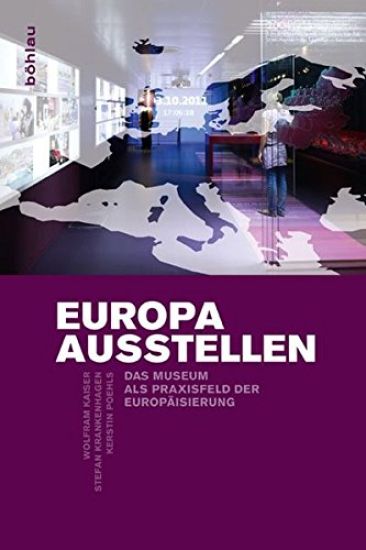
Museums of history and contemporary culture face many challenges in the modern age. One is how to react to processes of Europeanization and globalization, which require more cross-border cooperation and different ways of telling stories for visitors. This book investigates how museums exhibit Europe. Based on research in nearly 100 museums across the Continent and interviews with cultural policy makers and museum curators, it studies the growing transnational activities of state institutions, societal organizations, and people in the museum field such as attempts to Europeanize collection policy and collections as well as different strategies for making narratives more transnational like telling stories of European integration as shared history and discussing both inward and outward migration as a common experience and challenge. The book thus provides fascinating insights into a fast-changing museum landscape in Europe with wider implications for cultural policy and museums in other world regions.
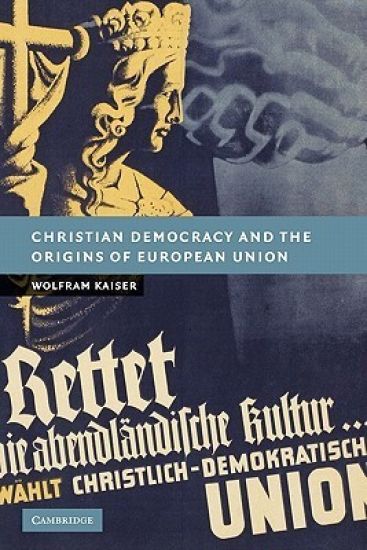
Major study of the role of European Christian democratic parties in the making of the European Union. It radically re-conceptualises European integration in long-term historical perspective as the outcome of partisan competition of political ideologies and parties and their guiding ideas for the future of Europe. Wolfram Kaiser takes a comparative approach to political Catholicism in the nineteenth century, Catholic parties in interwar Europe and Christian democratic parties in postwar Europe and studies these parties' cross-border contacts and co-ordination of policy-making. He shows how well networked party elites ensured that the origins of European Union were predominately Christian democratic, with considerable repercussions for the present-day EU. The elites succeeded by intensifying their cross-border communication and coordinating their political tactics and policy making in government. This is a major contribution to the new transnational history of Europe and the history of European integration.
Major study of the role of European Christian democratic parties in the making of the European Union. It radically re-conceptualises European integration in long-term historical perspective as the outcome of partisan competition of political ideologies and parties and their guiding ideas for the future of Europe. Wolfram Kaiser takes a comparative approach to political Catholicism in the nineteenth century, Catholic parties in interwar Europe and Christian democratic parties in postwar Europe and studies these parties' cross-border contacts and co-ordination of policy-making. He shows how well networked party elites ensured that the origins of European Union were predominately Christian democratic, with considerable repercussions for the present-day EU. The elites succeeded by intensifying their cross-border communication and coordinating their political tactics and policy making in government. This is a major contribution to the new transnational history of Europe and the history of European integration.