
Kirjojen hintavertailu – 12 859 829 kirjaa ja 27 kauppaa

Kirjailija

Wouter van der Brug

Kirjat ja teokset yhdessä paikassa: 2 kirjaa, julkaisuja vuodelta 2007, suosituimpiin kuuluu The Economy and the Vote. Vertaile teosten hintoja ja tarkista saatavuus suomalaisista kirjakaupoista.

2 kirjaa

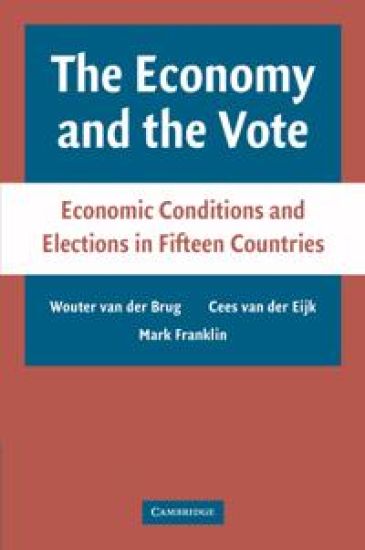
The Economy and the Vote

The Economy and the Vote

Wouter van der Brug; Cees van der EijK; Mark Franklin

Cambridge University Press
2007
pokkari
Economic conditions are said to affect election outcomes, but past research has produced unstable and contradictory findings. This book argues that these problems are caused by the failure to take account of electoral competition between parties. A research strategy to correct this problem is designed and applied to investigate effects of economic conditions on (individual) voter choices and (aggregate) election outcomes over 42 elections in 15 countries. It shows that economic conditions exert small effects on individual party preferences, which can have large consequences for election outcomes. In countries where responsibility for economic policy is clear, voters vote retrospectively and reward or punish incumbent parties - although in coalition systems smaller government parties often gain at the expense of the largest party when economic conditions deteriorate. Where clarity of responsibility for economic policy is less clear, voters vote more prospectively on the basis of expected party policies.
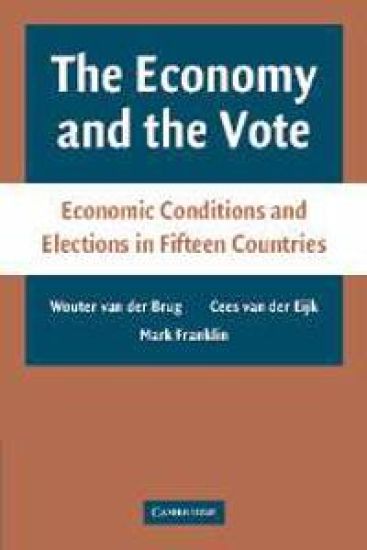
The Economy and the Vote

The Economy and the Vote

Wouter van der Brug; Cees van der EijK; Mark Franklin

Cambridge University Press
2007
sidottu
Economic conditions are said to affect election outcomes, but past research has produced unstable and contradictory findings. This book argues that these problems are caused by the failure to take account of electoral competition between parties. A research strategy to correct this problem is designed and applied to investigate effects of economic conditions on (individual) voter choices and (aggregate) election outcomes over 42 elections in 15 countries. It shows that economic conditions exert small effects on individual party preferences, which can have large consequences for election outcomes. In countries where responsibility for economic policy is clear, voters vote retrospectively and reward or punish incumbent parties - although in coalition systems smaller government parties often gain at the expense of the largest party when economic conditions deteriorate. Where clarity of responsibility for economic policy is less clear, voters vote more prospectively on the basis of expected party policies.