Kirjojen hintavertailu – 12 903 735 kirjaa ja 27 kauppaa
Kirjailija
Xavier Cirera
Kirjat ja teokset yhdessä paikassa: 6 kirjaa, julkaisuja vuosilta 2017–2025, suosituimpiin kuuluu Spurring Innovation-Led Growth in Argentina. Vertaile teosten hintoja ja tarkista saatavuus suomalaisista kirjakaupoista.
This book examines the innovation landscape and its contribution to growth in Argentina. The authors argue for a growth model that capitalizes on human capital and research assets and that increases their alignment with firm-level capabilities and productivity growth.
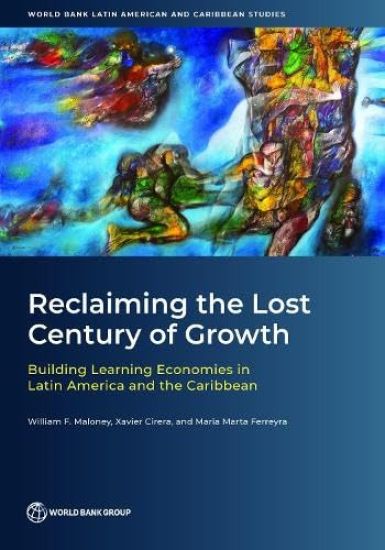
Latin America has lost a century of growth due to its inability to learn: to identify, adapt, and implement new technologies emerging from the Second Industrial Revolution. Building learning economies will require increasing the demand for knowledge, facilitating new ideas, and supporting the ongoing process of experimentation.
Latin America has lost a century of growth due to its inability to learn: to identify, adapt, and implement new technologies emerging from the Second Industrial Revolution. Building learning economies will require increasing the demand for knowledge, facilitating new ideas, and supporting the ongoing process of experimentation.
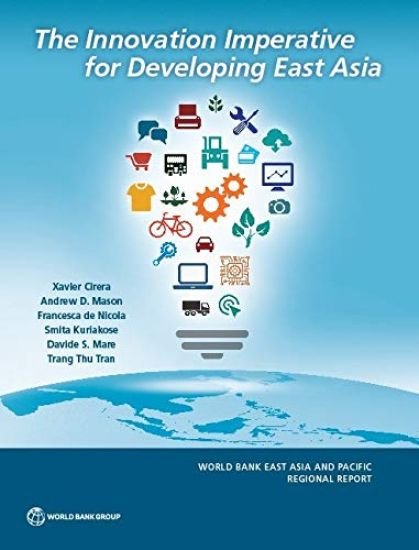
After a half century of significant economic success, countries in developing East Asia face an array of challenges. Slowing productivity growth, increasing fragility of the global trading system, and rapid changes in technology are threatening the region's engine of growth: export-oriented labor-intensive manufacturing. Longer-term demographic and climate change, and the current COVID-19 pandemic, are increasing economic vulnerability. These developments raise questions about whether the past model of economic success can continue to deliver rapid growth and poverty reduction. Against this background, To the Frontier and Beyond examines the role of innovation in fostering future economic progress in developing East Asia. The report suggests policy and institutional reforms for innovation-led growth in the region
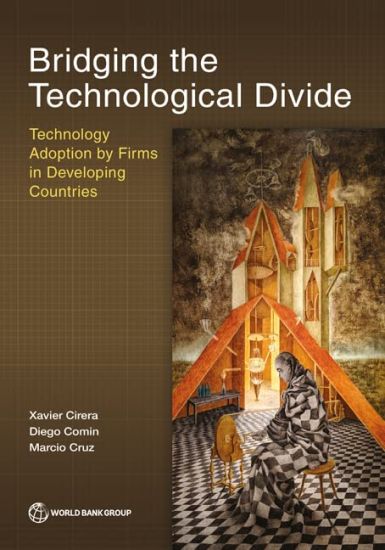
Economists have long argued that developing countries have the potential for high productivity growth if they adopt existing technologies and apply them to the local context. This report brings to bear a battery of new data sources to explore the innovation ""paradox"": despite the potential for very high returns, developing countries invest far less in adopting and inventing new processes and products than advanced countries. The report posits three broad factors underlying this paradox. The first is that firms in developing countries lack the managerial and technological capabilities to undertake meaningful innovation projects. This implies that conventional innovation policies are unlikely to be effective, and moving firms up the ""capabilities escalator"" becomes central. A second factor is that firm capability is only one of many critical ingredients - for instance, access to financial markets, macroeconomic stability, and imported machinery - that are complements to the innovation process, and whose absence lowers the return to innovation in developing countries. This implies that cultivating an effective innovation system will be a greater policy challenge, and that standard measures of innovation performance, such as research and development or GDP, are misleading. Finally, government capabilities required to redress these two points are also correspondingly weaker in developing countries, so building these capabilities needs to be explicitly integrated in formulating innovation policy.