Kirjojen hintavertailu – 12 903 725 kirjaa ja 27 kauppaa

Kirjailija

Xiaogang Li

Kirjat ja teokset yhdessä paikassa: 3 kirjaa, julkaisuja vuosilta 2020–2026, suosituimpiin kuuluu Case Studies on Stress Corrosion Cracking in the Oil Industry. Vertaile teosten hintoja ja tarkista saatavuus suomalaisista kirjakaupoista.

3 kirjaa

Kirjojen julkaisuvuodet: 2020–2026.

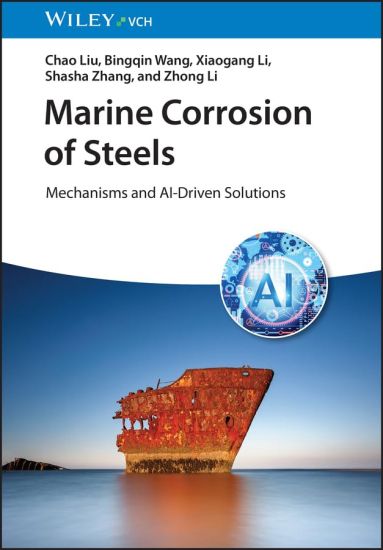
Marine Corrosion of Steels

Marine Corrosion of Steels

Chao Liu; Xiaogang Li

Wiley-VCH Verlag GmbH
2026
sidottu
Bridges corrosion science and artificial intelligence to advance durable, high-performance marine steels Understanding and controlling the corrosion of steels in marine environments is a critical challenge for modern engineering, with far-reaching implications for safety, durability, and sustainability. Marine corrosion not only threatens the integrity of infrastructure such as bridges, offshore platforms, and railways but also leads to significant economic losses and environmental risks. Marine Corrosion of Steels: Mechanisms and AI-Driven Solutions provides a comprehensive exploration of the mechanistic processes underlying steel degradation and introduces innovative, data-driven approaches to improve corrosion resistance. Offering valuable insights into stress corrosion cracking, fatigue, and general degradation mechanisms in harsh marine conditions, the book systematically investigates corrosion behavior across a range of engineering steels, including high-manganese steel, titanium-steel composites, low-alloy rebar, and ductile iron. Beyond mechanistic analysis, dedicated chapters highlight pioneering applications of big data and artificial intelligence, such as predictive modeling, image recognition for pit analysis, and IoT-enabled real-time monitoring. These AI-driven approaches enable researchers and engineers to accelerate alloy design, optimize material selection, and implement proactive maintenance strategies. Combining deep scientific understanding with cutting-edge computational tools, Marine Corrosion of Steels: Mechanisms and AI-Driven Solutions: Demonstrates how corrosion science is evolving toward intelligent, sustainable solutions for the most demanding industrial applications Explores alloying strategies and material innovations to enhance corrosion resistance Introduces novel electrochemical evaluation methods and image-based corrosion quantification Presents real-world case studies, including corrosion fatigue in railway components and offshore steel performance Discusses multi-modal frameworks combining physics, machine learning, and computer vision Offers forward-looking insights on AI-driven alloy design for sustainability and cost reduction Connecting fundamental research to practical engineering solutions across multiple industries, Marine Corrosion of Steels: Mechanisms and AI-Driven Solutions is an essential resource for graduate-level courses in materials science, corrosion engineering, and mechanical engineering, particularly within programs in metallurgy, chemical engineering, and civil infrastructure. It is also a valuable reference for engineers, corrosion specialists, and researchers working in marine, aerospace, and energy industries.
Steel Corrosion and Metallurgical Factors

Steel Corrosion and Metallurgical Factors

Chao Liu; Xiaogang Li

Wiley-VCH Verlag GmbH
2025
sidottu
Exploration into the latest research and developments in material corrosion resistance and related technologies Steel Corrosion and Metallurgical Factors: Laws and Mechanisms offers an in-depth exploration of the latest research on modulating metallurgical factors in various types of steel materials to enhance their corrosion resistance. The book covers a diverse range of materials, including low-alloy steels, stainless steels, ductile iron, rebar, and pipeline steel, and outlines the application of corrosion big data technology and artificial intelligence in the revealing of material corrosion mechanisms. The book discusses how typical metallurgical factors such as inclusion control, alloying control, and heat treatment control influence the corrosion resistance of stainless or low alloy steels and provides theoretical guidance for corrosion-resistant steel smelting technologies (e.g., inclusions regulation, alloy modulation, and rolling processes) by investigating the laws and mechanisms underlying the influence of various metallurgical factors on the corrosion resistance of steel. Steel Corrosion and Metallurgical Factors includes information on: Micro- chemical-electrochemical theory of corrosion initiation induced by various typical types of inclusions in stainless and low alloy steelsInfluence of elements such as Ca, Sb, Cu, and Cr on the resistance of low-alloy steels to microbial and marine atmospheric corrosionCoupled mechanism of microstructure and inclusions in corrosion initiation in steelBehavior and mechanism of stress corrosion and hydrogen-induced stress corrosion of pipeline steel induced by environmental and metallurgical factorsEffects of rare earth and chromium elements on the corrosion resistance of HRB400 rebar in concrete environmentsMetallurgical defects on ductile iron corrosion mechanisms and corrosion big data-artificial intelligence techniques in revealing factors influencing material corrosion Steel Corrosion and Metallurgical Factors strongly supports metallurgical and materials researchers and engineers in developing new corrosion-resistant steels.
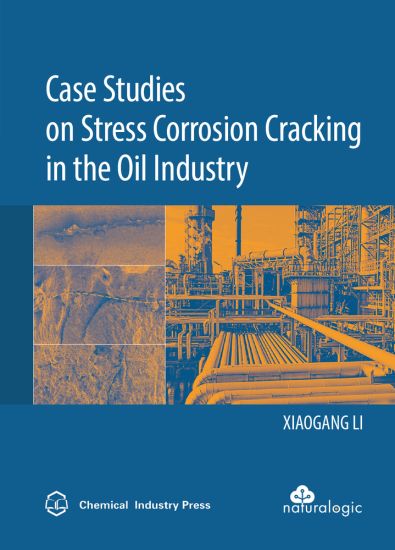
Case Studies on Stress Corrosion Cracking in the Oil Industry
Stress corrosion is a brittle cracking of metallic materials under the synergistic actions of stress and corrosive environments. Through accelerated tests under laboratory simulated conditions, this book summarizes the cracking processes and mechanisms in stress corrosion case studies from typical corrosion problems in petroleum industry, and demonstrates the laboratory test conditions that can well reproduce the actual stress corrosion processes in field environments. By establishing good correlations between laboratory and field conditions, the book aims to provide fundamental knowledges for accurate prediction of stress corrosion service life and safety evaluation and for breakthroughs in the study of stress corrosion mechanisms.