Kirjojen hintavertailu – 12 903 724 kirjaa ja 27 kauppaa

Kirjailija

Xiaojing Zhang

Kirjat ja teokset yhdessä paikassa: 11 kirjaa, julkaisuja vuosilta 2015–2023, suosituimpiin kuuluu China's National Balance Sheet. Vertaile teosten hintoja ja tarkista saatavuus suomalaisista kirjakaupoista.

11 kirjaa

Kirjojen julkaisuvuodet: 2015–2023.

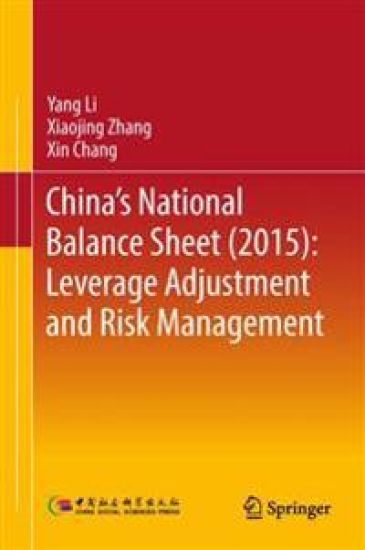
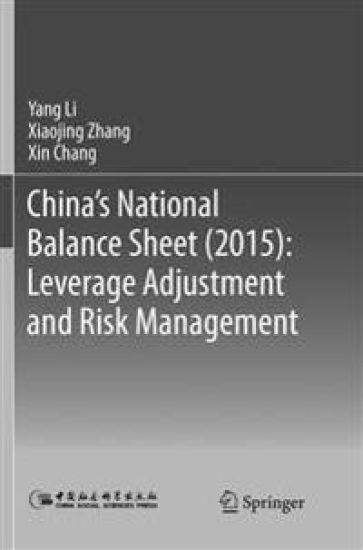
China's National Balance Sheet (2015): Leverage Adjustment and Risk Management

China's National Balance Sheet (2015): Leverage Adjustment and Risk Management

Yang Li; Xiaojing Zhang; Xin Chang

Springer Verlag, Singapore
2019
nidottu
The book aims at perfecting the national governance system and improving national governance ability. It evaluates the balance sheets of the state and residents, non-financial corporations, financial institutions and the central bank, the central government, local government and external sectors – the goal being to provide a systematic analysis of the characteristics and trajectory of China’s economic expansion and structural adjustment, as well as objective assessments of short and long-term economic operations, debt risks and financial risks with regard to the institutional and structural characteristics of economic development in market-oriented reform. It puts forward a preliminary analysis of China’s national and sectoral balance sheets on the basis of scientific estimates of various kinds of data, analyzes from a new perspective the major issues that are currently troubling China – development sustainability, government transformation, local government debt, welfare reform, and the financial opening-up and stability – and explores corresponding policies, measures, and institutional arrangements.
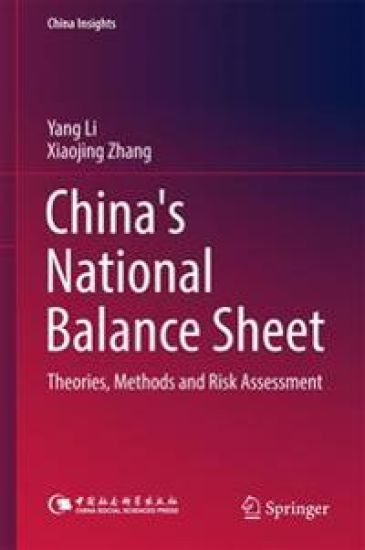
China's National Balance Sheet

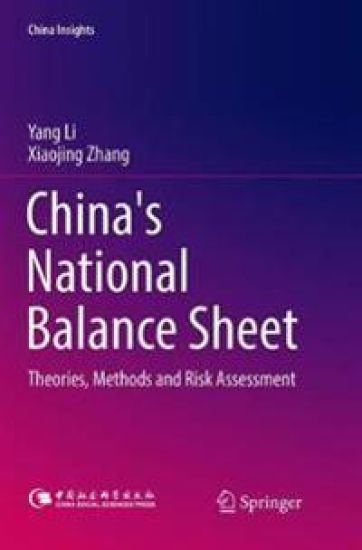
China's National Balance Sheet

Yang Li; Xiaojing Zhang

Springer Verlag, Singapore
2018
nidottu
With the goal of perfecting the national governance system and raising the country’s governance capability, this book systematically analyzes the characteristics and trajectory of China’s economic expansion and structural adjustment, while also assessing a variety of short-term debt and long-term economic performance and financial risks. In addition to discussing the market-oriented reform process at the stage of economic development, institutional and structural characteristics, it presents research on the country as a whole, its residents, non-financial corporations, financial institutions and central banks, the central government, local government, and other external sectors. On the basis of extensive data, the book analyzes the national and sectoral balance sheets in China and explores a number of major issues the country is currently facing, such as sustainable development, government restructuring, local debt, welfare reform, openness and stability of the financial system, etc., as well as suitable policy measures and institutional arrangements for addressing them.
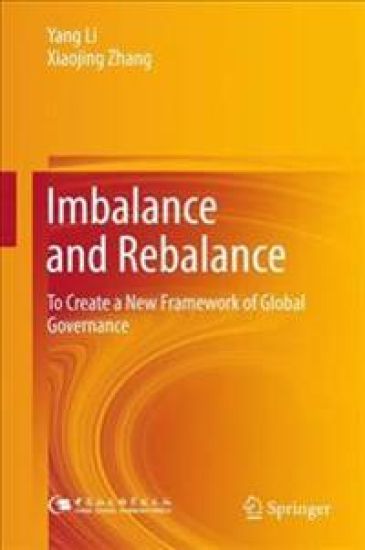
Imbalance and Rebalance

Imbalance and Rebalance

Yang Li; Xiaojing Zhang

Springer Verlag, Singapore
2018
nidottu
This book focuses on global financial systems. After summarising historical financial institutions, it subsequently uses economic and econometrical models to analyse the strengths and weaknesses of these institutions and their role in the history. Readers, especially international readers, will be introduced to prominent Chinese scholars’ ideas and views on these issues. The perspective of this book is, of course, a Chinese one. As such, readers will learn how Chinese people view global financial systems, even those dominated by the West, what they think about future global finance, etc. As such, the book offers intriguing and revealing insights for researchers and a broader readership alike.
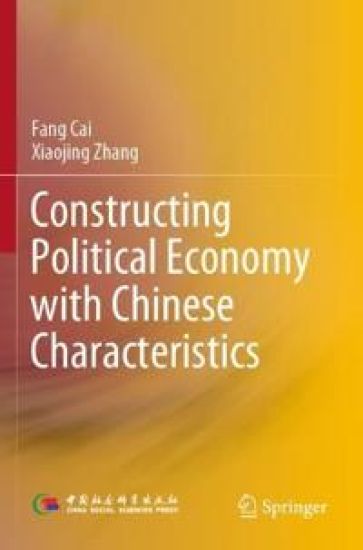
Constructing Political Economy with Chinese Characteristics

Constructing Political Economy with Chinese Characteristics

Fang Cai; Xiaojing Zhang

SPRINGER VERLAG, SINGAPORE
2023
nidottu
This book analyzes the characteristics of China's economic operation in the new era and explores Xi's thought on China's development. The book consists of six parts. The first part puts forward the guiding principles and main contents of political economy of socialism with Chinese characteristics in the new era; the second part conducts the epistemology and methodology; the third part reveals the big logic of the new normal of economic development from the time and space dimension; and the fourth part examines the purpose, motivation, necessary conditions and measurement scale of development according to the new development concept; the fifth part discusses the path of building a modern economic system; the sixth part focuses on what China Wisdom and China solution could contribute to the global governance and promoting global development.
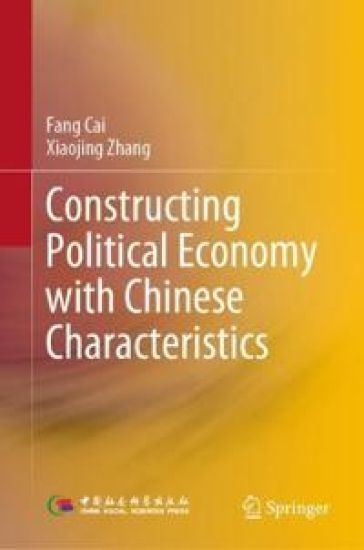
Constructing Political Economy with Chinese Characteristics

Constructing Political Economy with Chinese Characteristics

Fang Cai; Xiaojing Zhang

SPRINGER VERLAG, SINGAPORE
2022
sidottu
This book analyzes the characteristics of China's economic operation in the new era and explores Xi's thought on China's development. The book consists of six parts. The first part puts forward the guiding principles and main contents of political economy of socialism with Chinese characteristics in the new era; the second part conducts the epistemology and methodology; the third part reveals the big logic of the new normal of economic development from the time and space dimension; and the fourth part examines the purpose, motivation, necessary conditions and measurement scale of development according to the new development concept; the fifth part discusses the path of building a modern economic system; the sixth part focuses on what China Wisdom and China solution could contribute to the global governance and promoting global development.
China's National Balance Sheet (2015): Leverage Adjustment and Risk Management

China's National Balance Sheet (2015): Leverage Adjustment and Risk Management

Yang Li; Xiaojing Zhang; Xin Chang

Springer Verlag, Singapore
2018
sidottu
The book aims at perfecting the national governance system and improving national governance ability. It evaluates the balance sheets of the state and residents, non-financial corporations, financial institutions and the central bank, the central government, local government and external sectors – the goal being to provide a systematic analysis of the characteristics and trajectory of China’s economic expansion and structural adjustment, as well as objective assessments of short and long-term economic operations, debt risks and financial risks with regard to the institutional and structural characteristics of economic development in market-oriented reform. It puts forward a preliminary analysis of China’s national and sectoral balance sheets on the basis of scientific estimates of various kinds of data, analyzes from a new perspective the major issues that are currently troubling China – development sustainability, government transformation, local government debt, welfare reform, and the financial opening-up and stability – and explores corresponding policies, measures, and institutional arrangements.
Imbalance and Rebalance

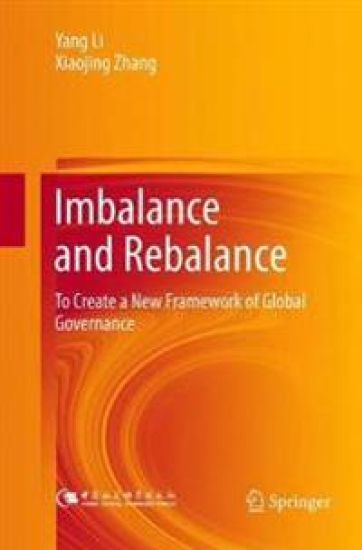
Imbalance and Rebalance

Yang Li; Xiaojing Zhang

Springer Verlag, Singapore
2017
sidottu
This book focuses on global financial systems. After summarising historical financial institutions, it subsequently uses economic and econometrical models to analyse the strengths and weaknesses of these institutions and their role in the history. Readers, especially international readers, will be introduced to prominent Chinese scholars’ ideas and views on these issues. The perspective of this book is, of course, a Chinese one. As such, readers will learn how Chinese people view global financial systems, even those dominated by the West, what they think about future global finance, etc. As such, the book offers intriguing and revealing insights for researchers and a broader readership alike.
China's National Balance Sheet

China's National Balance Sheet

Yang Li; Xiaojing Zhang

Springer Verlag, Singapore
2017
sidottu
With the goal of perfecting the national governance system and raising the country’s governance capability, this book systematically analyzes the characteristics and trajectory of China’s economic expansion and structural adjustment, while also assessing a variety of short-term debt and long-term economic performance and financial risks. In addition to discussing the market-oriented reform process at the stage of economic development, institutional and structural characteristics, it presents research on the country as a whole, its residents, non-financial corporations, financial institutions and central banks, the central government, local government, and other external sectors. On the basis of extensive data, the book analyzes the national and sectoral balance sheets in China and explores a number of major issues the country is currently facing, such as sustainable development, government restructuring, local debt, welfare reform, openness and stability of the financial system, etc., as well as suitable policy measures and institutional arrangements for addressing them.
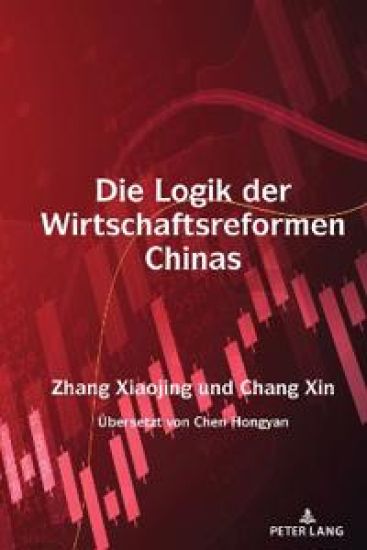
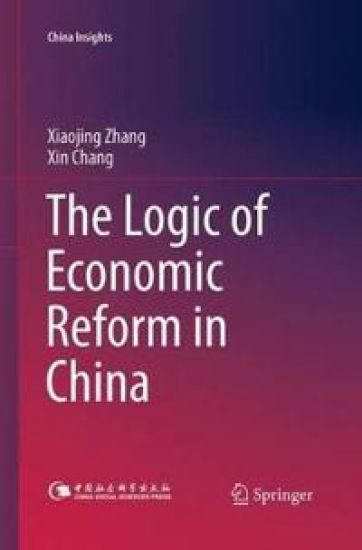
The Logic of Economic Reform in China

The Logic of Economic Reform in China

Xiaojing Zhang; Xin Chang

Springer-Verlag Berlin and Heidelberg GmbH Co. K
2016
nidottu
This book provides a historical overview of Chinese economic reform over the past 30 years. From the genesis of the reform to the gradual improvement of the market system, and then to the re-start of the critical stage of the reform, this book includes not only research on the reform process, but also detailed descriptions of the key areas of reform since the Third Plenary Session of the 18th CPC Central Committee. On this basis, the author develops six logics for Chinese economic reform. Firstly, reform is cyclical, moving between rapid advances and deadlock; this calls upon us to re-examine the common view of reform. Secondly, reform is systematic; it cannot succeed without supporting reforms in other fields. Thirdly, the relationship between reform, development and stability should be properly handled. This “trinity” is quite different from the perspective of western mainstream theory, which puts too much emphasis on efficiency. Fourthly, the success of Chinese reform was not achieved by chance. The reform practice is based on the theoretical logic, and also goes beyond the debate between progressive and radical modes. Fifthly, the Top-level Design should be combined with “crossing the river by moving from stone to stone,” i.e., the theoretical basis of reform should be combined with reform practice. Sixthly and lastly, the ongoing reform in China must be understood in the contexts of global competition and reform competition.
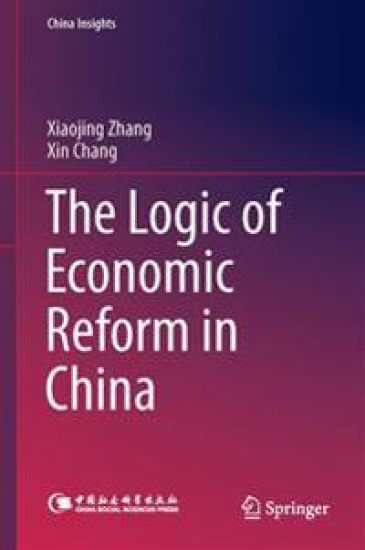
The Logic of Economic Reform in China

The Logic of Economic Reform in China

Xiaojing Zhang; Xin Chang

Springer-Verlag Berlin and Heidelberg GmbH Co. K
2015
sidottu
This book provides a historical overview of Chinese economic reform over the past 30 years. From the genesis of the reform to the gradual improvement of the market system, and then to the re-start of the critical stage of the reform, this book includes not only research on the reform process, but also detailed descriptions of the key areas of reform since the Third Plenary Session of the 18th CPC Central Committee. On this basis, the author develops six logics for Chinese economic reform. Firstly, reform is cyclical, moving between rapid advances and deadlock; this calls upon us to re-examine the common view of reform. Secondly, reform is systematic; it cannot succeed without supporting reforms in other fields. Thirdly, the relationship between reform, development and stability should be properly handled. This “trinity” is quite different from the perspective of western mainstream theory, which puts too much emphasis on efficiency. Fourthly, the success of Chinese reform was not achieved by chance. The reform practice is based on the theoretical logic, and also goes beyond the debate between progressive and radical modes. Fifthly, the Top-level Design should be combined with “crossing the river by moving from stone to stone,” i.e., the theoretical basis of reform should be combined with reform practice. Sixthly and lastly, the ongoing reform in China must be understood in the contexts of global competition and reform competition.