Kirjojen hintavertailu – 12 859 829 kirjaa ja 27 kauppaa

Kirjailija

Xingyu Yan

Kirjat ja teokset yhdessä paikassa: 3 kirjaa, julkaisuja vuosilta 2024–2026, suosituimpiin kuuluu Competition Law in China and the EU. Vertaile teosten hintoja ja tarkista saatavuus suomalaisista kirjakaupoista.

3 kirjaa

Kirjojen julkaisuvuodet: 2024–2026.

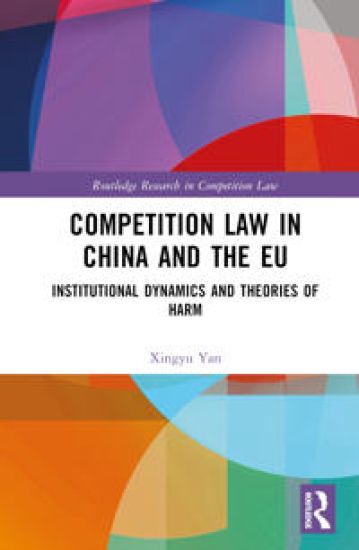
Competition Law in China and the EU

Competition Law in China and the EU

Xingyu Yan

Taylor & Francis
2026
Nidottu
This book presents a comprehensive review of the Chinese and European responses to the abuse of market dominance, with a focus on the impact of antitrust institutional dynamics on enforcement decisions. It uses the methods of functional comparison and case analysis to investigate how theories of harm relating to specific types of abuse differ within and across competition law regimes due to institutional dynamics. The Chinese and EU competition law regimes serve as excellent examples for this investigation because they have similar substantive laws on paper but vastly different institutional settings. The book examines—first individually and then comparatively—how the distinct institutional dynamics in the Chinese and EU regimes shape the development of theories of harm. This volume will appeal to competition law scholars, students, and practitioners seeking a more nuanced understanding of how competition law works in the EU and China. It will also interest scholars trying to approach the Chinese legal system from an engaging rather than alienating standpoint.

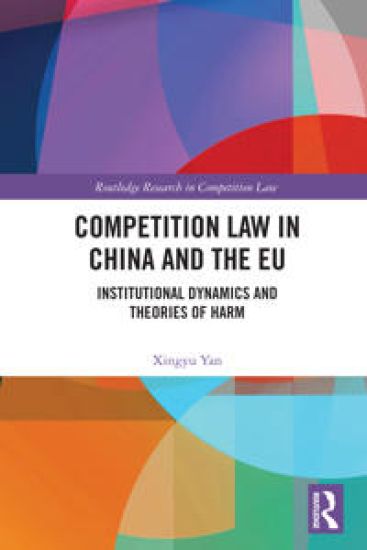
Competition Law in China and the EU

Competition Law in China and the EU

Xingyu Yan

TAYLOR FRANCIS LTD
2024
sidottu
This book presents a comprehensive review of the Chinese and European responses to the abuse of market dominance, with a focus on the impact of antitrust institutional dynamics on enforcement decisions. It uses the methods of functional comparison and case analysis to investigate how theories of harm relating to specific types of abuse differ within and across competition law regimes due to institutional dynamics. The Chinese and EU competition law regimes serve as excellent examples for this investigation because they have similar substantive laws on paper but vastly different institutional settings. The book examines—first individually and then comparatively—how the distinct institutional dynamics in the Chinese and EU regimes shape the development of theories of harm. This volume will appeal to competition law scholars, students, and practitioners seeking a more nuanced understanding of how competition law works in the EU and China. It will also interest scholars trying to approach the Chinese legal system from an engaging rather than alienating standpoint.