Kirjojen hintavertailu – 12 869 168 kirjaa ja 27 kauppaa

Kirjailija

Yalidy Matos

Kirjat ja teokset yhdessä paikassa: 4 kirjaa, julkaisuja vuosilta 2023–2026, suosituimpiin kuuluu Politics in Our Veins. Vertaile teosten hintoja ja tarkista saatavuus suomalaisista kirjakaupoista.

4 kirjaa

Kirjojen julkaisuvuodet: 2023–2026.

Politics in Our Veins

Politics in Our Veins

Domingo Morel; Yalidy Matos; Michelle Bueno Vásquez

NEW YORK UNIVERSITY PRESS
2026
pokkari
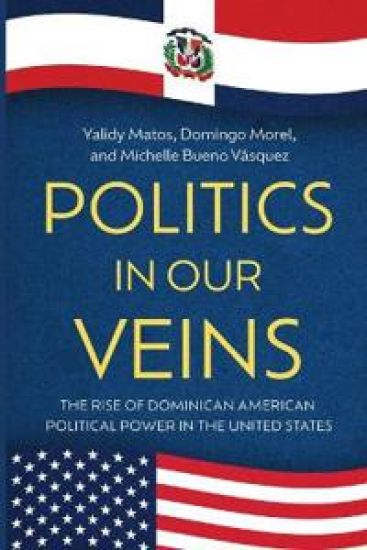
Captures the complex journey of how Dominican Americans mobilized to become key progressive players in American politics Dominican Americans are one of the largest and fastest-growing Latinx groups in the United States, with a population that has quadrupled from 517,000 to a little over 2.3 million as of 2023. While New York City is home to the largest Dominican community in the country – and is where most Dominican American elected officials (DEOs) are from – Dominican Americans continue to increase their representation nationwide. In Politics in Our Veins, Yalidy Matos, Domingo Morel, and Michelle Bueno Vásquez chart the rise of Dominican American political power across the United States, exploring the myriad factors that have contributed to their political success as thoughtful citizens, activists, and elected officials. Drawing on original surveys, in-depth interviews with elected officials, and archival data, Matos, Morel, and Vásquez trace the past, present, and future of Dominican American political power, demonstrating how one group fought from the margins for a seat at the table. They explore how community, civic, and cultural organizations have played an important role in helping newly immigrated Dominican Americans gain political power through influential national coalitions like "Dominicans on the Hill" and the Dominican National Roundtable. They also examine how identity politics, in particular race and gender, influence the political attitudes and behavior of DEOs. Ultimately, Politics in Our Veins shines a light on how Dominicans have created avenues for political engagement – identifying where barriers to participation have been dismantled, where they remain, and where new obstacles are emerging.
Politics in Our Veins

Politics in Our Veins

Domingo Morel; Yalidy Matos; Michelle Bueno Vásquez

NEW YORK UNIVERSITY PRESS
2026
sidottu
Captures the complex journey of how Dominican Americans mobilized to become key progressive players in American politics Dominican Americans are one of the largest and fastest-growing Latinx groups in the United States, with a population that has quadrupled from 517,000 to a little over 2.3 million as of 2023. While New York City is home to the largest Dominican community in the country – and is where most Dominican American elected officials (DEOs) are from – Dominican Americans continue to increase their representation nationwide. In Politics in Our Veins, Yalidy Matos, Domingo Morel, and Michelle Bueno Vásquez chart the rise of Dominican American political power across the United States, exploring the myriad factors that have contributed to their political success as thoughtful citizens, activists, and elected officials. Drawing on original surveys, in-depth interviews with elected officials, and archival data, Matos, Morel, and Vásquez trace the past, present, and future of Dominican American political power, demonstrating how one group fought from the margins for a seat at the table. They explore how community, civic, and cultural organizations have played an important role in helping newly immigrated Dominican Americans gain political power through influential national coalitions like "Dominicans on the Hill" and the Dominican National Roundtable. They also examine how identity politics, in particular race and gender, influence the political attitudes and behavior of DEOs. Ultimately, Politics in Our Veins shines a light on how Dominicans have created avenues for political engagement – identifying where barriers to participation have been dismantled, where they remain, and where new obstacles are emerging.
Moral and Immoral Whiteness in Immigration Politics

Moral and Immoral Whiteness in Immigration Politics

Yalidy Matos

OXFORD UNIVERSITY PRESS INC
2023
nidottu
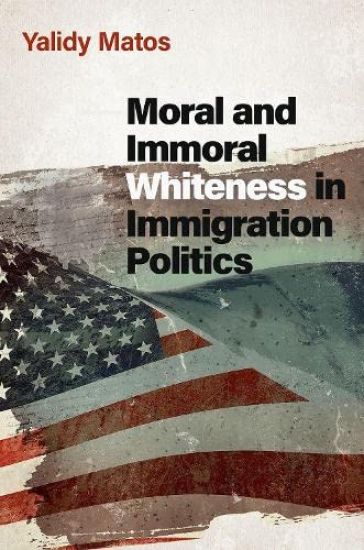
Immigration has been at the heart of US politics for centuries. In Moral and Immoral Whiteness in Immigration Politics, Yalidy Matos examines the inherent moral, value-based, nature of white Americans' immigration attitudes, including preferences on local immigration enforcement programs, federal immigration policy, and levels of legal immigration allowed. Does identifying as white always signify a commitment to maintain the racial status quo or can it result in commitments to racial justice? How do we understand the passage of state-level sanctuary and anti-sanctuary immigration legislation through a white identity political lens? Thinking about whiteness as a moral choice complicates the idea that immigration policy preferences are mostly about demographic shifts. To examine the centrality of morality in white Americans' immigration attitudes, Matos looks at public opinion survey data as well as the roll call votes of elected officials. She examines the conditions under which white Americans choose to reproduce a system structured on white supremacy or repudiate it, as well as the role of socialization in their choices and immigration attitudes. As immigration continues to be weaponized to divide, Matos highlights the importance of understanding the roots of immigration attitudes in the United States and the ways in which whiteness structures these attitudes.
Moral and Immoral Whiteness in Immigration Politics

Moral and Immoral Whiteness in Immigration Politics

Yalidy Matos

OXFORD UNIVERSITY PRESS INC
2023
sidottu
Immigration has been at the heart of US politics for centuries. In Moral and Immoral Whiteness in Immigration Politics, Yalidy Matos examines the inherent moral, value-based, nature of white Americans' immigration attitudes, including preferences on local immigration enforcement programs, federal immigration policy, and levels of legal immigration allowed. Does identifying as white always signify a commitment to maintain the racial status quo or can it result in commitments to racial justice? How do we understand the passage of state-level sanctuary and anti-sanctuary immigration legislation through a white identity political lens? Thinking about whiteness as a moral choice complicates the idea that immigration policy preferences are mostly about demographic shifts. To examine the centrality of morality in white Americans' immigration attitudes, Matos looks at public opinion survey data as well as the roll call votes of elected officials. She examines the conditions under which white Americans choose to reproduce a system structured on white supremacy or repudiate it, as well as the role of socialization in their choices and immigration attitudes. As immigration continues to be weaponized to divide, Matos highlights the importance of understanding the roots of immigration attitudes in the United States and the ways in which whiteness structures these attitudes.