Kirjojen hintavertailu – 12 903 725 kirjaa ja 27 kauppaa

Kirjailija

Yannis Tzioumakis

Kirjat ja teokset yhdessä paikassa: 11 kirjaa, julkaisuja vuosilta 2006–2025, suosituimpiin kuuluu American Independent Cinema. Vertaile teosten hintoja ja tarkista saatavuus suomalaisista kirjakaupoista.

11 kirjaa

Kirjojen julkaisuvuodet: 2006–2025.

Rock around the Clock

Rock around the Clock

Yannis Tzioumakis; Siân Lincoln

TAYLOR FRANCIS LTD
2025
nidottu
Examining one of the earliest films made specifically for young audiences in US cinema, Rock around the Clock (1956), this book explores the exploitation production company that made the film and the ways it represented young people, especially in terms of their association with rock ’n’ roll music and culture. Providing new avenues of approaching the film, the book looks at how Rock around the Clock has attracted significant scholarly attention, despite its origins as a low-budget production made by master exploitation filmmaker Sam Katzman. It challenges accounts that see the film’s young people as juvenile delinquents, using instead the label ‘cultural rebels’ as a signifier of youth’s ability to resurrect a moribund music industry and rejuvenate a stale youth culture. This book also questions the nature of the label ‘exploitation’ as applied to the film by examining Columbia Pictures’ role as a resource provider for Katzman’s film, comparing Rock around the Clock to contemporaneous films with a youth focus that were produced in different industrial contexts and investigating its relationship to adaptation by asking whether the film is an example of a ‘postliterary’ adaptation. Rich on archival research and industrial and textual analysis, Rock around the Clock will interest both film studies and youth cultures scholars.
Rock around the Clock

Rock around the Clock

Yannis Tzioumakis; Siân Lincoln

Routledge
2023
sidottu

Halvin toimitettuna 84,40 €

Examining one of the earliest films made specifically for young audiences in US cinema, Rock around the Clock (1956), this book explores the exploitation production company that made the film and the ways it represented young people, especially in terms of their association with rock ’n’ roll music and culture. Providing new avenues of approaching the film, the book looks at how Rock around the Clock has attracted significant scholarly attention, despite its origins as a low-budget production made by master exploitation filmmaker Sam Katzman. It challenges accounts that see the film’s young people as juvenile delinquents, using instead the label ‘cultural rebels’ as a signifier of youth’s ability to resurrect a moribund music industry and rejuvenate a stale youth culture. This book also questions the nature of the label ‘exploitation’ as applied to the film by examining Columbia Pictures’ role as a resource provider for Katzman’s film, comparing Rock around the Clock to contemporaneous films with a youth focus that were produced in different industrial contexts and investigating its relationship to adaptation by asking whether the film is an example of a ‘postliterary’ adaptation. Rich on archival research and industrial and textual analysis, Rock around the Clock will interest both film studies and youth cultures scholars.
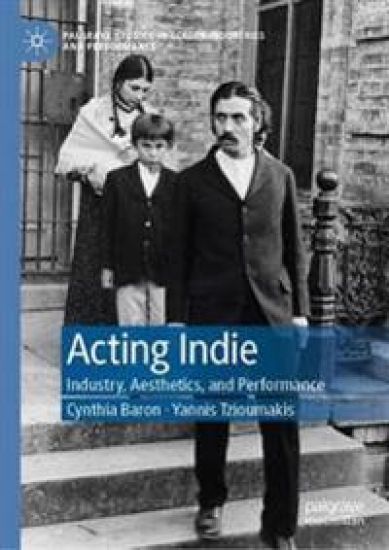
Acting Indie

Acting Indie

Cynthia Baron; Yannis Tzioumakis

Palgrave Macmillan
2020
sidottu
This book illustrates the many ways that actors contribute to American independent cinema. Analyzing industrial developments, it examines the impact of actors as writers, directors, and producers, and as stars able to attract investment and bring visibility to small-scale productions. Exploring cultural-aesthetic factors, the book identifies the various traditions that shape narrative designs, casting choices, and performance styles. The book offers a genealogy of industrial and aesthetic practices that connects independent filmmaking in the studio era and the 1960s and 1970s to American independent cinema in its independent, indie, indiewood, and late-indiewood forms. Chapters on actors’ involvement in the evolution of American independent cinema as a sector alternate with chapters that show how traditions such as naturalism, modernism, postmodernism, and Third Cinema influence films and performances.
American Independent Cinema

American Independent Cinema

Yannis Tzioumakis

Edinburgh University Press
2017
pokkari
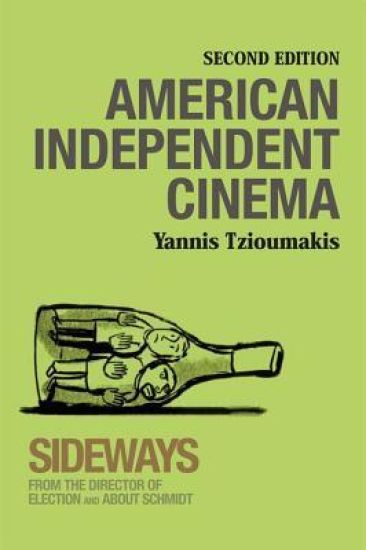
This undergraduate textbook examines American independent cinema from the very beginnings of US cinema and includes chapters on independence within the studio system, B Films, exploitation cinema and independent cinema in the age of the conglomerates. In the 10 years since the first edition of the book was published, there have been a number of developments within film industry in general, many of which impact upon American independent cinema. Social media, web 2:0, mobile entertainment, digital production and distribution, were all in incipient phase during the mid-2000s but have been moving with giant strides ever since. In the process they have contributed to redefinitions of all media sectors, including the US independent cinema one, which a new chapter within this second edition will tackle. With an updated design, student friendly features such as case studies and filmographies, and an increased extent, this new edition should gain numerous adoptions in the UK and US.
American Independent Cinema

American Independent Cinema

Yannis Tzioumakis; Vito Adriaensens; Lisa Colpaert

Edinburgh University Press
2017
sidottu
This introduction to American Independent Cinema offers both a comprehensive industrial and economic history of the sector from the early twentieth century to the present and a study of key individual films, filmmakers and film companies. Ordered chronologically, beginning with independent filmmaking in the studio era (examining both top-rank and low-end independent film production), moving to the 1950s and 1960s (discussing both the adoption of independent filmmaking as the main method of production as well as exploitation filmmaking) and finishing with contemporary American independent cinema (exploring areas such as the New Hollywood, the rise of mini-major and major independent companies and the institutionalisation of independent cinema in the 1990s), readers will develop an understanding of the complex dynamic relations between independent and mainstream American cinema. Thoroughly updated to include developments from the mid-2000s onwards, this second edition includes new case studies, a new chapter on American Independent Cinema in the Age of Media Convergence, a new prologue and an enhanced epilogue and bibliography. Each chapter includes case studies focusing on specific films or filmmakers, and independent production and distribution companies are discussed throughout the text.
Hollywood's Indies

Hollywood's Indies

Yannis Tzioumakis

Edinburgh University Press
2013
nidottu
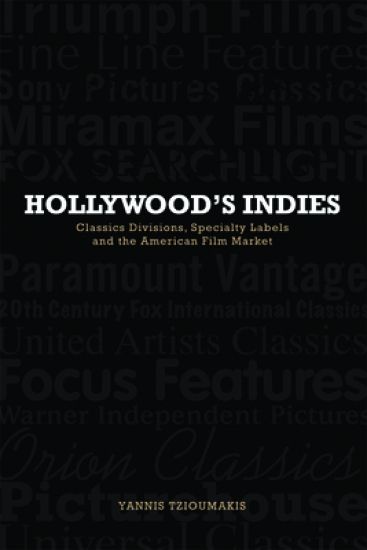
This book charts three decades of specialist and independent filmmaking in Hollywood. The specialty film divisions of the major Hollywood studios were established to focus on the European arthouse film market before moving on to the burgeoning American independent film market. Hollywood's Indies is the first book to offer an in depth examination of the phenomenon of these labels, by tracing their history since the establishment of the first such division in 1980, United Artists Classics. The book provides a detailed account of the divisions, their business practices, their position within the often labyrinthine structure of contemporary entertainment conglomerates, their relationship to the Hollywood majors and their contribution to independent cinema in the United States. It provides a fresh perspective on the history of contemporary American independent cinema, which Tzioumakis divides into three periods: the independent, the indie and the indiewood. Each of these eras is characterised by a particular group of studio specialty labels and, to a large extent, by a distinct expression of 'independent' filmmaking. A number of case studies are provided, including such celebrated films as Lianna, Mystery Train, The Brothers McMullen, Barcelona, Greenberg and many others.
Hollywood's Indies

Hollywood's Indies

Yannis Tzioumakis

Edinburgh University Press
2012
sidottu
For over three decades the major Hollywood studios have operated specialty film divisions, companies that were originally established to focus primarily on the European arthouse film market, before moving on to the burgeoning American independent film market and in the process transforming it in fundamental ways. Hollywood's Indies is the first book to offer an in depth examination of the phenomenon of the studio specialty film labels, by tracing their history since the establishment of the first such division in 1980, United Artists Classics. The book provides a detailed account of these divisions, their business practices, their position within the often labyrinthine structure of contemporary entertainment conglomerates, their relationship to the Hollywood majors and their contribution to independent cinema in the United States. In examining these companies Yannis Tzioumakis provides a fresh perspective on the history of contemporary American independent cinema, which he divides into three periods: the independent, the indie and the indiewood. Each of these eras is characterised by a particular group of studio specialty labels and, to a large extent, by a distinct expression of "independent" filmmaking. A number of case studies are provided, including such celebrated films as Lianna, Mystery Train, The Brothers McMullen, Barcelona, Greenberg, and many others.
The Spanish Prisoner

The Spanish Prisoner

Yannis Tzioumakis

Edinburgh University Press
2009
nidottu
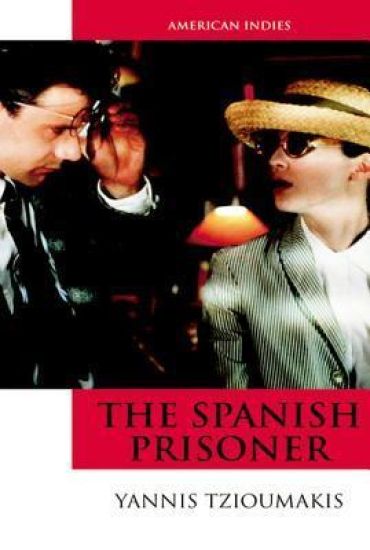
Despite more than a passing nod to such crowdpleasing classics as Hitchcock's North by Northwest, playwright-turned-independent filmmaker David Mamet's The Spanish Prisoner is a particularly idiosyncratic film that betrays its origin outside the Hollywood mainstream. Featuring a convoluted narrative, an excessive, often anti- classical, visual style, and belonging to the generic category of the 'con game film' which often challenges the spectator's cognitive skills, The Spanish Prisoner is a film that bridges genre filmmaking with personal visual style, independent film production with niche distribution, and mainstream subject matter with unconventional filmic techniques. This book discusses The Spanish Prisoner as an example of contemporary American independent cinema while also using the film as a vehicle to explore several key ideas in film studies, especially in terms of aesthetics, narrative, style, spectatorship, genre and industry. Key Features oDistinguishes between independent and 'indie' cinema through an examination of the 'classics divisions,' especially Sony Pictures Classics oAssesses the position of David Mamet within American cinema oIntroduces the genre categories of the 'con artist' and the 'con game' film and discusses The Spanish Prisoner as a key example of the latter oExamines the ways in which narrative, narration and visual style deviate from the mainstream/classical aesthetic
The Spanish Prisoner

The Spanish Prisoner

Yannis Tzioumakis

Edinburgh University Press
2009
sidottu
Despite more than a passing nod to such crowdpleasing classics as Hitchcock's North by Northwest, playwright-turned-independent filmmaker David Mamet's The Spanish Prisoner is a particularly idiosyncratic film that betrays its origin outside the Hollywood mainstream. Featuring a convoluted narrative, an excessive, often anti- classical, visual style, and belonging to the generic category of the 'con game film' which often challenges the spectator's cognitive skills, The Spanish Prisoner is a film that bridges genre filmmaking with personal visual style, independent film production with niche distribution, and mainstream subject matter with unconventional filmic techniques. This book discusses The Spanish Prisoner as an example of contemporary American independent cinema while also using the film as a vehicle to explore several key ideas in film studies, especially in terms of aesthetics, narrative, style, spectatorship, genre and industry. Key Features oDistinguishes between independent and 'indie' cinema through an examination of the 'classics divisions,' especially Sony Pictures Classics oAssesses the position of David Mamet within American cinema oIntroduces the genre categories of the 'con artist' and the 'con game' film and discusses The Spanish Prisoner as a key example of the latter oExamines the ways in which narrative, narration and visual style deviate from the mainstream/classical aesthetic
American Independent Cinema

American Independent Cinema

Yannis Tzioumakis

Rutgers University Press
2006
nidottu
From the prestige films of Cagney Productions to recent, ultra-low budget cult hits, such as Clerks and The Blair Witch Project, American independent cinema has produced some of the most distinctive films ever made. This comprehensive introduction draws on key films, filmmakers, and film companies from the early twentieth century to the present to examine the factors that shaped this vital and evolving mode of filmmaking. Specifically, it explores the complex and dynamic relations between independent and mainstream Hollywood cinema, showing how institutional, industrial, and economic changes in the latter have shaped and informed the former. Ordered chronologically, the book begins with Independent Filmmaking in the Studio Era (examining both top-rank and low-end film production), moves to the 1950s and 1960s (discussing both the adoption of independent filmmaking as the main method of production as well as exploitation filmmaking), and finishes with contemporary American independent cinema (exploring areas such as the New Hollywood, the rise of mini-major and major independent companies and the institutionalization of independent cinema in the 1990s). Each chapter includes case studies which focus on specific films, filmmakers, and production and distribution companies.
American Independent Cinema

American Independent Cinema

Yannis Tzioumakis

Edinburgh University Press
2006
sidottu
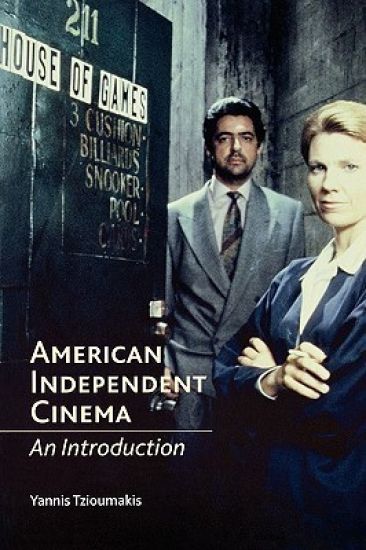
This introduction to American Independent Cinema offers both a comprehensive industrial and economic history of the sector from the early twentieth century to the present and a study of key individual films, filmmakers and film companies. Readers will develop an understanding of the complex dynamic relations between independent and mainstream American cinema. The main argument revolves around the idea that independent American cinema has developed alongside mainstream Hollywood cinema with institutional, industrial and economic changes in the latter shaping and informing the former. Consequently the term 'independent' has acquired different meanings at different points in the history of Hollywood cinema, evolving according to the impact of changing conditions in the American film industry. These various meanings are examined in the course of the book. The book is ordered chronologically, beginning with Independent Filmmaking in the Studio Era (examining both top-rank and low-end independent film production), moving to the 1950s and 1960s (discussing both the adoption of independent filmmaking as the main method of production as well as exploitation filmmaking) and finishing with contemporary American Independent cinema (exploring areas such as the New Hollywood, the rise of mini-major and major independent companies and the institutionalisation of independent cinema in the 1990s). Each chapter includes case studies which focus on specific films and/or filmmakers, while independent production and distribution companies are also discussed in the text. Films, filmmakers and film companies examined include: *Cagney Productions and Johnny Come Lately, Blood on the Sun and The Time of Your Life *The Charlie Chan series *Lomitas Productions, Stanley Kramer and The Defiant Ones, On the Beach and Inherit the Wind *Sam Katzman and Rock Around the Clock *Roger Corman and The Wild Angels *John Cassavetes and Shadows *Dennis Hopper and The Last Movie *American International Pictures and Foxy Brown *John Sayles and Return of the Secaucus Seven *Filmhaus Productions, David Mamet and House of Games *Steven Soderbergh and Sex Lies and Videotape *Kevin Smith and Clerks *Monogram, Republic Pictures and Producers Releasing Corporation *William Castle Productions, Embassy Pictures, New World Pictures, Dimension and Crown International *Orion Pictures *The Sundance Film Institute Key Features: *Illustrates that American Independent Cinema is not just a recent phenomenon but has a history as extensive as that of mainstream Hollywood. *The first book to examine what American Independent Cinema has meant at various times in the history of American cinema. *Places emphasis on industrial and economic conditions and how these shaped the independent sector throughout the 20th century. *Includes a large range of case studies of films which carry the 'independent' label for a variety of reasons. *Unique in covering the whole of the 20th century - other books in the area only cover the last 30 years.