Kirjojen hintavertailu – 12 903 725 kirjaa ja 27 kauppaa

Kirjailija

Yanqing Jiang

Kirjat ja teokset yhdessä paikassa: 17 kirjaa, julkaisuja vuosilta 2013–2026, suosituimpiin kuuluu Understanding the Digital Revolution and Its Influences. Vertaile teosten hintoja ja tarkista saatavuus suomalaisista kirjakaupoista.

17 kirjaa

Kirjojen julkaisuvuodet: 2013–2026.

Understanding the Digital Revolution and Its Influences

Understanding the Digital Revolution and Its Influences

Yuxin Yu; Yanqing Jiang

SPRINGER VERLAG, SINGAPORE
2024
sidottu
Guided by the question of why digital technology has a transformative impact, this book systematically explains the root causes of the transformative impact, reexamines the history of human development and the basic point of social division of labor, and further conducts a new deconstruction and elaboration of the logic and development trend of the digital technology impact. The book also analyzes and explains the latest commercial phenomena and future trends associated with the development of digital technology that have emerged. This book creatively points out the necessity and importance of introducing a decision cost analysis into the behavioral choices of economic agents, and puts forward that information processing efficiency is a new standard for measuring the competitive advantage of individuals and economic organizations in the digital era, thus reinterprets the logic of human-economic development. This book has a unique research perspective, includes innovative research and a unified analytic framework, and has achieved an organic and deep integration of the logic of technological evolution and the logic of economic operation, forming many fresh and profound views and insights.

Technology and Industrial Transformation of China

Technology and Industrial Transformation of China

Yanqing Jiang; Jiewei Gu

SPRINGER VERLAG, SINGAPORE
2023
nidottu
This book explores how China’s industrial transformation and development depend on technology and innovation and how considerations about issues associated with technology and innovation may affect China’s development strategies. Market-oriented reforms initiated four decades ago have constantly fueled a high speed of development in China. The country’s industrial structure has experienced rapid evolution. In the meantime, especially in the general context of globalization, the country has also opened to foreign trade and foreign direct investment, transforming itself from a virtually completely closed economy into a major trading nation and the largest developing country destination for foreign direct investment in the world. Technology is thought to be one of the key driving forces that shape the transformation of the Chinese economy. Owing to different speeds of innovation and technology diffusion, uneven development is one major issue in the process of China’s industrial transformation under new trends of globalization. Substantial disparities across different Chinese regions, e.g., the gaps in regional industrial development and those in incomes and living standards, have been one prominent feature of China and are (needless to say) closely related to different speeds of innovation and technology diffusion. The relationship between technology diffusion, innovation, and industrial development is an important yet complicated issue that deserves careful study. Considerations related to technology and innovation play a crucial role in leading and shaping China’s development strategies and routes. Sustainable development of China creates strong pressures for continuous transforming, upgrading, and restructuring of the Chinese economy, and in all of these processes, innovation and technology diffusion play a fundamental role. The book presents to the interested reader facts, thoughts, models, empirical results, and discussions that shed light on those issues.
Environmentally Sustainable Industrial Development in China

Environmentally Sustainable Industrial Development in China

Yanqing Jiang; Xu Yuan

TAYLOR FRANCIS LTD
2023
nidottu
There is a growing concern among Chinese researchers and policymakers about China’s industrial development being unsustainable and the irreversible depletion of natural resources and deterioration of the ecological environment. The relationship between industrial development, pollution and the environmental quality is an important issue that deserves careful study. Environmental considerations play a crucial role in shaping China’s development strategies. Green development of China creates strong pressures for continuous transforming, upgrading and restructuring of the Chinese economy. This book explores how China’s industrial development relates to pollution and environmental quality, and how considerations about such issues associated with the ecological system affect China’s development strategies.
Technology and Industrial Transformation of China

Technology and Industrial Transformation of China

Yanqing Jiang; Jiewei Gu

SPRINGER VERLAG, SINGAPORE
2022
sidottu
This book explores how China’s industrial transformation and development depend on technology and innovation and how considerations about issues associated with technology and innovation may affect China’s development strategies. Market-oriented reforms initiated four decades ago have constantly fueled a high speed of development in China. The country’s industrial structure has experienced rapid evolution. In the meantime, especially in the general context of globalization, the country has also opened to foreign trade and foreign direct investment, transforming itself from a virtually completely closed economy into a major trading nation and the largest developing country destination for foreign direct investment in the world. Technology is thought to be one of the key driving forces that shape the transformation of the Chinese economy. Owing to different speeds of innovation and technology diffusion, uneven development is one major issue in the process of China’s industrial transformation under new trends of globalization. Substantial disparities across different Chinese regions, e.g., the gaps in regional industrial development and those in incomes and living standards, have been one prominent feature of China and are (needless to say) closely related to different speeds of innovation and technology diffusion. The relationship between technology diffusion, innovation, and industrial development is an important yet complicated issue that deserves careful study. Considerations related to technology and innovation play a crucial role in leading and shaping China’s development strategies and routes. Sustainable development of China creates strong pressures for continuous transforming, upgrading, and restructuring of the Chinese economy, and in all of these processes, innovation and technology diffusion play a fundamental role. The book presents to the interested reader facts, thoughts, models, empirical results, and discussions that shed light on those issues.
Environmentally Sustainable Industrial Development in China
There is a growing concern among Chinese researchers and policymakers about China’s industrial development being unsustainable and the irreversible depletion of natural resources and deterioration of the ecological environment. The relationship between industrial development, pollution and the environmental quality is an important issue that deserves careful study. Environmental considerations play a crucial role in shaping China’s development strategies. Green development of China creates strong pressures for continuous transforming, upgrading and restructuring of the Chinese economy. This book explores how China’s industrial development relates to pollution and environmental quality, and how considerations about such issues associated with the ecological system affect China’s development strategies.
China

China

Yanqing Jiang

Nova Science Publishers Inc
2016
sidottu
China has achieved spectacular growth in the past forty years, and its economic structure has experienced great transformation. The country has also gradually opened up to foreign trade and direct foreign investment, transforming itself from a virtually completely closed economy into a major trading nation, and the largest developing-country destination for foreign direct investment in the world. However, since this reform, China has become a superpower in energy consumption. It has also become a big producer of pollution emissions. It has been widely argued that Chinas rapid processes of industrial development and opening up were relying too heavily on increasing inputs of environmental resources. Unsustainable environmental practices posed serious threats to Chinas natural environment. A growing concern China now faces is that the current pattern of economic development may not be sustainable, because it tends to lead to irreversible depletion of natural resources and deterioration of the ecological environment. The relationship between regional growth, sustainability in development, and the natural environment in China is thus an interesting and important issue that deserves further in-depth studies. Environmental practices play an important role in shaping Chinas regional growth, interregional inequality, and its future development strategies. Sustainability in growth and development from an environmental point of view exerts strong influences on the continuous restructuring and upgrading of the Chinese economy. The analyses in the present book delve into issues related to regional growth, interregional inequality, and the prospect of sustainable development in China from an environmental perspective. This book provides the reader with related facts, thoughts, models, and empirical results as well as discussions that shed light on those issues.
Globalization and Sustainable Growth in China

Globalization and Sustainable Growth in China

Yanqing Jiang; Yuwen Dai

SPRINGER VERLAG, SINGAPORE
2021
nidottu
This book is on globalization and sustainable growth in China. Thanks to the market-oriented policy reforms initiated in the late 1970s, China has achieved spectacular economic growth over the past several decades, and its economic structure has experienced great transformation. In the meantime, in the general context of globalization, the whole country has also gradually opened up to foreign trade and foreign direct investment, transforming itself from a virtually completely closed economy to a major trading nation and the largest developing-country destination for foreign direct investment in the world. In the first three chapters of this book, we investigate the potential and actual mechanisms and channels through which globalization, especially openness to foreign trade and foreign direct investment, affects industrial development and growth disparities in China. The current wave of globalization has encouraged economic growth in the world economy and affected all sides of international economic involvement. In the next four chapters of the book, we study China and the world economy. We first join the line of research on the trade frictions between China and the United States, including an analytical chapter on trade imbalance and protectionist policy, and an empirical chapter on business cycle synchronization between China and the US. A chapter on growth cycles in the BRICS is also included to explore growth and trade linkages among these five emerging market economies. A new “conventional wisdom” on globalization is that trade and financial openness do not lead to higher economic growth by themselves, in the absence of institutional reforms. Motivated by the Chinese experience, we develop an analytical framework in the last chapter to examine the case of growth targeting in China and draw policy implication for LDCs on how to achieve positive and sustainable economic growth. This book provides the readers with new facts and new findings that shed light on their understanding of globalization and sustainable growth in China.
Globalization and Sustainable Growth in China

Globalization and Sustainable Growth in China

Yanqing Jiang; Yuwen Dai

Springer Verlag, Singapore
2020
sidottu
This book is on globalization and sustainable growth in China. Thanks to the market-oriented policy reforms initiated in the late 1970s, China has achieved spectacular economic growth over the past several decades, and its economic structure has experienced great transformation. In the meantime, in the general context of globalization, the whole country has also gradually opened up to foreign trade and foreign direct investment, transforming itself from a virtually completely closed economy to a major trading nation and the largest developing-country destination for foreign direct investment in the world. In the first three chapters of this book, we investigate the potential and actual mechanisms and channels through which globalization, especially openness to foreign trade and foreign direct investment, affects industrial development and growth disparities in China. The current wave of globalization has encouraged economic growth in the world economy and affected all sides of international economic involvement. In the next four chapters of the book, we study China and the world economy. We first join the line of research on the trade frictions between China and the United States, including an analytical chapter on trade imbalance and protectionist policy, and an empirical chapter on business cycle synchronization between China and the US. A chapter on growth cycles in the BRICS is also included to explore growth and trade linkages among these five emerging market economies. A new “conventional wisdom” on globalization is that trade and financial openness do not lead to higher economic growth by themselves, in the absence of institutional reforms. Motivated by the Chinese experience, we develop an analytical framework in the last chapter to examine the case of growth targeting in China and draw policy implication for LDCs on how to achieve positive and sustainable economic growth. This book provides the readers with new facts and new findings that shed light on their understanding of globalization and sustainable growth in China.
Openness, Economic Growth and Regional Disparities

Openness, Economic Growth and Regional Disparities

Yanqing Jiang

Springer-Verlag Berlin and Heidelberg GmbH Co. K
2016
nidottu
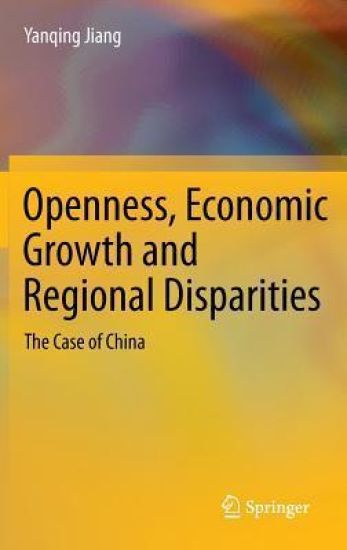
? Substantial disparities across different Chinese regions are one of the most prominent features in China’s development process. This book investigates the mechanisms through which openness affects regional economic growth and interregional disparities in China. Based on the latest data and employing a variety of panel data regression techniques, it provides readers with new findings that shed light on the effects of openness on China’s regional economic growth and the evolution of the country’s interregional disparities.
Green Development in China

Green Development in China

Yanqing Jiang

Springer Verlag, Singapore
2016
nidottu
This book focuses on the key determinants of China’s sustainable development in the general context of globalization from an environmental perspective. The author presents expert analysis on China’s role in the world economy, trade openness, cross-border investments and sustainable development in China. Readers will gain an in-depth understanding of various important issues concerning China’s current and future environmentally sustainable development in this new era of globalization.
China

China

Yanqing Jiang

Chandos Publishing (Oxford) Ltd
2014
sidottu
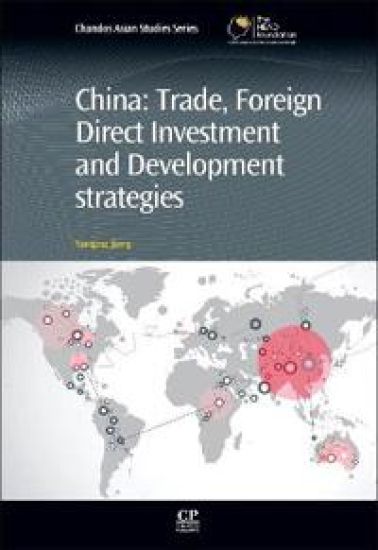
Trade and foreign direct investment (FDI) play a crucial role in shaping China’s development strategies. The development of China’s economy creates strong pressures for continuous restructuring. China therefore explores how trade and FDI affect China’s development strategies regarding the process and pattern of restructuring. The book aims to provide the reader with findings that shed new light on the related issues and problems. The first chapter introduces the topics, and subsequent chapters enter into theoretical discussion and empirical analysis of trade, FDI, and development strategies, followed by a concluding final chapter.
Openness, Economic Growth and Regional Disparities

Openness, Economic Growth and Regional Disparities

Yanqing Jiang

Springer-Verlag Berlin and Heidelberg GmbH Co. K
2013
sidottu
? Substantial disparities across different Chinese regions are one of the most prominent features in China’s development process. This book investigates the mechanisms through which openness affects regional economic growth and interregional disparities in China. Based on the latest data and employing a variety of panel data regression techniques, it provides readers with new findings that shed light on the effects of openness on China’s regional economic growth and the evolution of the country’s interregional disparities.