Kirjojen hintavertailu – 12 903 725 kirjaa ja 27 kauppaa

Kirjailija

Yaso Nadarajah

Kirjat ja teokset yhdessä paikassa: 4 kirjaa, julkaisuja vuosilta 2011–2016, suosituimpiin kuuluu Sustainable Communities, Sustainable Development. Vertaile teosten hintoja ja tarkista saatavuus suomalaisista kirjakaupoista.

4 kirjaa

Kirjojen julkaisuvuodet: 2011–2016.

Rebuilding Local Communities in the Wake of Disaster

Rebuilding Local Communities in the Wake of Disaster

Martin Mulligan; Yaso Nadarajah

Routledge India
2016
nidottu
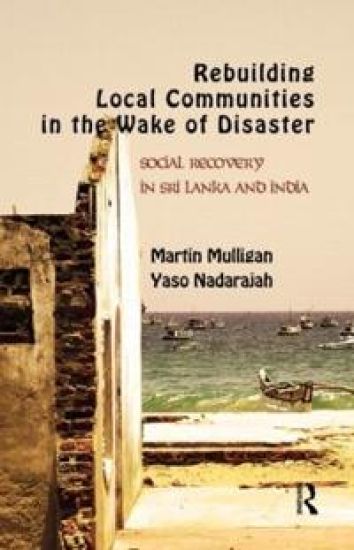
This book examines the sociological consequences of disaster relief and recovery, and uncovers its impact on the communities that were affected by the Indian Ocean tsunami in 2004. It is the most extensive and intensive study of post-disaster community rebuilding yet reported in the literature on the subject. The authors draw on this research to develop a three-phase strategy for moving from quick and effective relief to long-term social recovery work. While there have been many big natural disasters since then, none have affected so many local communities spread over so many nations and none have evoked the same kind of global response. A great deal of post-tsunami recovery work was done in India and Sri Lanka, with more than 500 international aid and humanitarian agencies involved in Sri Lanka alone – many with little experience in long-term community development. This book argues that international aid agencies must work patiently to put in place meaningful partnerships with local, community-based organisations as soon as long-term physical and social planning becomes possible. The authors explain that such an approach could help address some pre-existing vulnerabilities in disaster-affected communities. They argue that it is much easier to rebuild damaged infrastructure than to rebuild shattered lives, and to ensure that traumatised communities are not put under new stresses and strains, the ‘fault-lines’ within these communities need to be lessened.
Sustainable Communities, Sustainable Development

Sustainable Communities, Sustainable Development

Paul James; Yaso Nadarajah; Karen Haive; Victoria Stead

University of Hawai'i Press
2012
nidottu
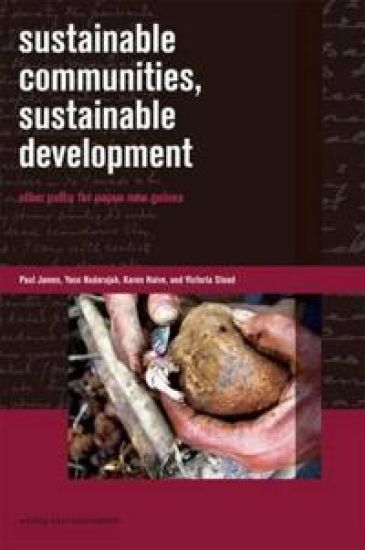
Papua New Guinea is going through a crisis: A concentration on conventional approaches to development, including an unsustainable reliance on mining, forestry, and foreign aid, has contributed to the country's slow decline since independence in 1975. Sustainable Communities, Sustainable Development attempts to address problems and gaps in the literature on development and develop a new qualitative conception of community sustainability informed by substantial and innovative research in Papua New Guinea. In this context, sustainability is conceived in terms that include not just practices tied to economic development. It also informs questions of wellbeing and social integration, community-building, social support, and infrastructure renewal. In short, the concern with sustainability here entails undertaking an analysis of how communities are sustained through time, how they cohere and change, rather than being constrained within discourses and models of development. From another angle, this project presents an account of community sustainability detached from instrumental concerns with economic development. Contributors address questions such as: What are the stories and histories through which people respond to their nation's development? What is the everyday social environment of groups living in highly diverse areas (migrant settlements, urban villages, remote communities)? They seek to contribute to a creative and dynamic grass-roots response to the demands of everyday life and local-global pressures. While the overdeveloped world faces an intersecting crisis created by global climate change and financial instability, Papua New Guinea, with all its difficulties, still has the basis for responding to this manifold predicament. Its secret lies in what has been seen as its weakness: underdeveloped economies and communities, where people still maintain sustainable relations to each other and the natural world.
Sustainable Communities, Sustainable Development

Sustainable Communities, Sustainable Development

Paul James; Yaso Nadarajah; Karen Haive; Victoria Stead

University of Hawai'i Press
2012
sidottu
Papua New Guinea is going through a crisis: A concentration on conventional approaches to development, including an unsustainable reliance on mining, forestry, and foreign aid, has contributed to the country's slow decline since independence in 1975. Sustainable Communities, Sustainable Development attempts to address problems and gaps in the literature on development and develop a new qualitative conception of community sustainability informed by substantial and innovative research in Papua New Guinea. In this context, sustainability is conceived in terms that include not just practices tied to economic development. It also informs questions of wellbeing and social integration, community-building, social support, and infrastructure renewal. In short, the concern with sustainability here entails undertaking an analysis of how communities are sustained through time, how they cohere and change, rather than being constrained within discourses and models of development. From another angle, this project presents an account of community sustainability detached from instrumental concerns with economic development. Contributors address questions such as: What are the stories and histories through which people respond to their nation's development? What is the everyday social environment of groups living in highly diverse areas (migrant settlements, urban villages, remote communities)? They seek to contribute to a creative and dynamic grass-roots response to the demands of everyday life and local-global pressures. While the overdeveloped world faces an intersecting crisis created by global climate change and financial instability, Papua New Guinea, with all its difficulties, still has the basis for responding to this manifold predicament. Its secret lies in what has been seen as its weakness: underdeveloped economies and communities, where people still maintain sustainable relations to each other and the natural world.
Rebuilding Local Communities in the Wake of Disaster

Rebuilding Local Communities in the Wake of Disaster

Martin Mulligan; Yaso Nadarajah

Routledge India
2011
sidottu
This book examines the sociological consequences of disaster relief and recovery, and uncovers its impact on the communities that were affected by the Indian Ocean tsunami in 2004. It is the most extensive and intensive study of post-disaster community rebuilding yet reported in the literature on the subject. The authors draw on this research to develop a three-phase strategy for moving from quick and effective relief to long-term social recovery work. While there have been many big natural disasters since then, none have affected so many local communities spread over so many nations and none have evoked the same kind of global response. A great deal of post-tsunami recovery work was done in India and Sri Lanka, with more than 500 international aid and humanitarian agencies involved in Sri Lanka alone – many with little experience in long-term community development. This book argues that international aid agencies must work patiently to put in place meaningful partnerships with local, community-based organisations as soon as long-term physical and social planning becomes possible. The authors explain that such an approach could help address some pre-existing vulnerabilities in disaster-affected communities. They argue that it is much easier to rebuild damaged infrastructure than to rebuild shattered lives, and to ensure that traumatised communities are not put under new stresses and strains, the ‘fault-lines’ within these communities need to be lessened.