Kirjojen hintavertailu – 12 903 724 kirjaa ja 27 kauppaa

Kirjailija

Ye Liu

Kirjat ja teokset yhdessä paikassa: 5 kirjaa, julkaisuja vuosilta 2016–2027, suosituimpiin kuuluu mHealth Cybersecurity. Vertaile teosten hintoja ja tarkista saatavuus suomalaisista kirjakaupoista.

5 kirjaa

Kirjojen julkaisuvuodet: 2016–2027.

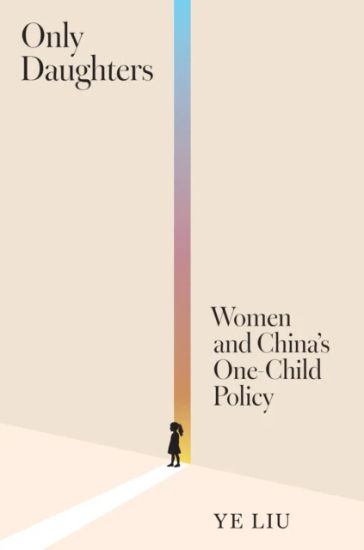
Only Daughters

Only Daughters

Ye Liu

PRINCETON UNIVERSITY PRESS
2026
pokkari
An innovative examination of how talent, virtue, and gendered expectations are negotiated in post-reform China Under China’s One-Child Policy, a generation of only daughters in the 1980s grew up with unprecedented access to university education and careers in high-paying fields. Often dubbed “little princesses,” these brotherless girls had the benefit of parental ambition and family wealth that traditionally went to boys. And yet, as Ye Liu reveals in Only Daughters, this cohort of educated and privileged women did not go on to smash the patriarchy; instead, they were tripped up by cultural expectations. Liu shows that the One-Child Policy forced these women to grapple with the dual burden of achieving success usually reserved for men while upholding the traditional female virtues. Empowered as girls, as women they struggled to reconcile inherited ideals of filial piety and the state-imposed demographic duty to bear children with their own aspirations for autonomy and success. Drawing on extensive interviews and observations, Liu traces the life-course transitions of siblingless daughters, aligning them with key phases of China’s structural transformation. She shows that the momentum of their girlhood successes collided with a patriarchal backlash, which limited their choices in the labour market, marriage and motherhood. Liu finds that, having abandoned the ideology of meritocracy and acknowledged that the conditions of their empowerment were temporary, these women adopt strategies that blend neoliberal self-reliance with traditional cultural values. With this timely account , Liu sheds new light on the resilience and adaptability of women within patriarchal systems in China and beyond.

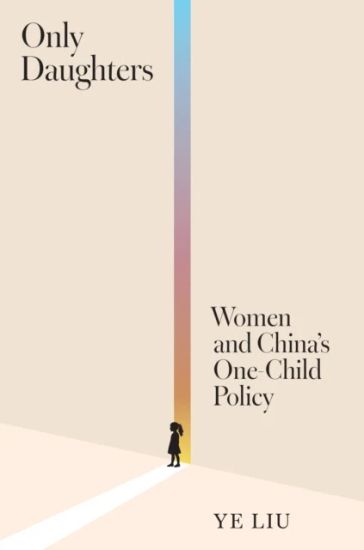
Only Daughters

Only Daughters

Ye Liu

PRINCETON UNIVERSITY PRESS
2026
sidottu
An innovative examination of how talent, virtue, and gendered expectations are negotiated in post-reform China Under China’s One-Child Policy, a generation of only daughters in the 1980s grew up with unprecedented access to university education and careers in high-paying fields. Often dubbed “little princesses,” these brotherless girls had the benefit of parental ambition and family wealth that traditionally went to boys. And yet, as Ye Liu reveals in Only Daughters, this cohort of educated and privileged women did not go on to smash the patriarchy; instead, they were tripped up by cultural expectations. Liu shows that the One-Child Policy forced these women to grapple with the dual burden of achieving success usually reserved for men while upholding the traditional female virtues. Empowered as girls, as women they struggled to reconcile inherited ideals of filial piety and the state-imposed demographic duty to bear children with their own aspirations for autonomy and success. Drawing on extensive interviews and observations, Liu traces the life-course transitions of siblingless daughters, aligning them with key phases of China’s structural transformation. She shows that the momentum of their girlhood successes collided with a patriarchal backlash, which limited their choices in the labour market, marriage and motherhood. Liu finds that, having abandoned the ideology of meritocracy and acknowledged that the conditions of their empowerment were temporary, these women adopt strategies that blend neoliberal self-reliance with traditional cultural values. With this timely account , Liu sheds new light on the resilience and adaptability of women within patriarchal systems in China and beyond.

Higher Education, Meritocracy and Inequality in China
This book investigates the changing opportunities in higher education for different social groups during China’s transition from the socialist regime to a market economy. The first part of the book provides a historical and comparative analysis of the development of the idea of meritocracy, since its early origins in China, and in more recent western thought. The second part then explores higher education reforms in China, the part played by supposedly meritocratic forms of selection, and the implications of these for social mobility. Based on original empirical data, Ye Liu sheds light on the socio-economic, gender and geographical inequalities behind the meritocratic façade of the Gaokao (??). Liu argues that the Chinese philosophicalbelief in education-based meritocracy had a modern makeover in the Gaokao, and that this ideology induces working-class and rural students to believe in upward social mobility through higher education. When the Gaokao broke the promise of status improvement for rural students, they turned to the Chinese Communist Party and sought political connections by actively applying for its membership. This book reveals a bleak picture of visible and invisible inequality in terms of access to and participation in higher education in contemporary China. Written in an accessible style, it offers a valuable resource for researchers and non-specialist readers alike.
Higher Education, Meritocracy and Inequality in China
This book investigates the changing opportunities in higher education for different social groups during China’s transition from the socialist regime to a market economy. The first part of the book provides a historical and comparative analysis of the development of the idea of meritocracy, since its early origins in China, and in more recent western thought. The second part then explores higher education reforms in China, the part played by supposedly meritocratic forms of selection, and the implications of these for social mobility. Based on original empirical data, Ye Liu sheds light on the socio-economic, gender and geographical inequalities behind the meritocratic façade of the Gaokao (??). Liu argues that the Chinese philosophicalbelief in education-based meritocracy had a modern makeover in the Gaokao, and that this ideology induces working-class and rural students to believe in upward social mobility through higher education. When the Gaokao broke the promise of status improvement for rural students, they turned to the Chinese Communist Party and sought political connections by actively applying for its membership. This book reveals a bleak picture of visible and invisible inequality in terms of access to and participation in higher education in contemporary China. Written in an accessible style, it offers a valuable resource for researchers and non-specialist readers alike.