
Kirjojen hintavertailu – 12 903 732 kirjaa ja 27 kauppaa

Kirjailija

Yooil Bae

Kirjat ja teokset yhdessä paikassa: 2 kirjaa, julkaisuja vuosilta 2017–2020, suosituimpiin kuuluu Mega-Events and Mega-Ambitions: South Korea’s Rise and the Strategic Use of the Big Four Events. Vertaile teosten hintoja ja tarkista saatavuus suomalaisista kirjakaupoista.

2 kirjaa

Kirjojen julkaisuvuodet: 2017–2020.

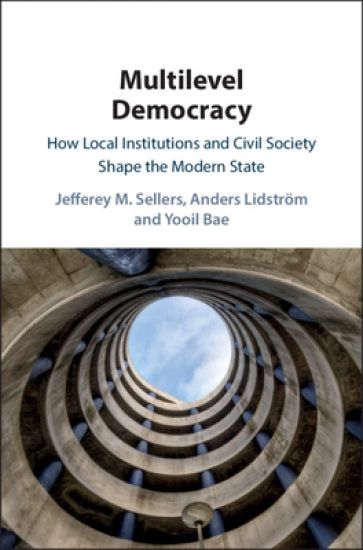
Multilevel Democracy

Multilevel Democracy

Jefferey M. Sellers; Anders Lidström; Yooil Bae

Cambridge University Press
2020
sidottu
This volume presents the first systematic comparative analysis of national traditions of local democracy across the developed world, as well as their origins and evolution. It reveals how inclusive local institutions that integrate national and local governance make democracy work better. Across most of the developed world, early forms of the national state entrenched the local power of elites. In Anglo-American and Swiss democracies, state formation imposed enduring tensions with local civic governance. In contrast, inclusive, integrative local institutions in Northern Europe enabled close links with central government around common local and national agendas, producing better governance and fuller democracy to the present day. Through comparative analysis, the authors demonstrate how institutions for local governance and the participation of civil society differ widely among developed democracies, and how local democracy relates to national democracy. The resulting insights fundamentally recast our understanding of how to build and maintain more effective democracies.
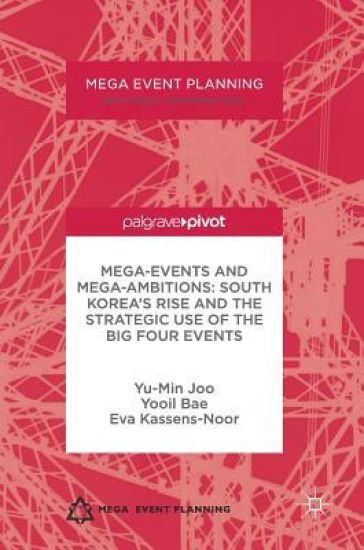
Mega-Events and Mega-Ambitions: South Korea’s Rise and the Strategic Use of the Big Four Events
This book provides a holistic analysis of South Korea’s strategic use of mega-events in its modern development. It examines the Summer Olympics (1988), the World Expo (1993), the FIFA World Cup (2002), and the Winter Olympics (2018) over the past 30 years of the country’s rapid growth, and across varying stages of economic and political development. It explains how mega-events helped to secure South Korea’s position on the international stage, boost nationalism, propel economic growth in export-oriented national companies, and build cities that accommodate – as well as represent – South Korea’s progress. It thereby highlights the broader implications for today’s global phenomenon of increasing reliance on mega-events as a catalyst for development, while the criticism that mega-events do more harm than good proliferates. The book is ideal for academics, policymakers, and those with an interest in mega-events and their role in the development of non-western countries.