Kirjojen hintavertailu – 12 859 819 kirjaa ja 27 kauppaa

Kirjailija

Yusuf Ali

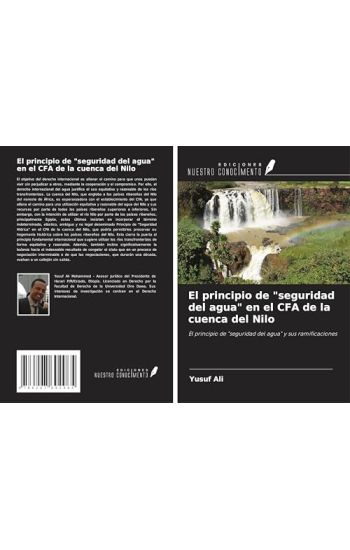
Kirjat ja teokset yhdessä paikassa: 16 kirjaa, julkaisuja vuosilta 2014–2025, suosituimpiin kuuluu El principio de "seguridad del agua" en el CFA de la cuenca del Nilo. Vertaile teosten hintoja ja tarkista saatavuus suomalaisista kirjakaupoista.

16 kirjaa

Kirjojen julkaisuvuodet: 2014–2025.

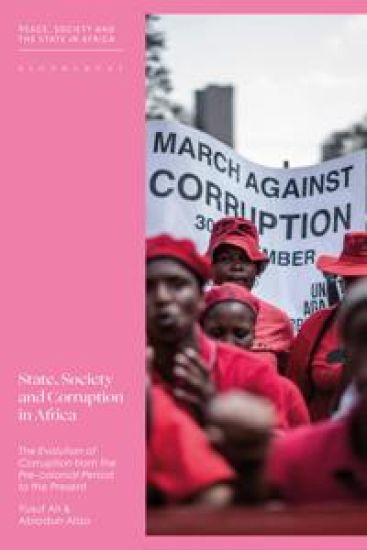
State, Society and Corruption in Africa

State, Society and Corruption in Africa

Yusuf Ali; Abiodun Alao

BLOOMSBURY PUBLISHING PLC
2025
sidottu

Halvin toimitettuna 133,10 €

An illuminating and comprehensive interrogation of the impacts of corruption on state structures and institutions in Africa from two expert African scholars. Focusing on a variety of institutions and establishments – from the judiciary to the legislature, civil service to religion, tertiary education to national economies – and drawing on key countries across the continent, including Nigeria, Ghana, Sierra Leone, Kenya, Ethiopia, South Africa and Zimbabwe, the book explains why national, continental and global initiatives addressing corruption have achieved such limited success. This provides a much-needed nuanced understanding of corruption which rejects stereotypical depictions of Africa as a corruption-ridden continent and also offers new insights into the international community's role in making and sustaining corrupt systems in Africa.
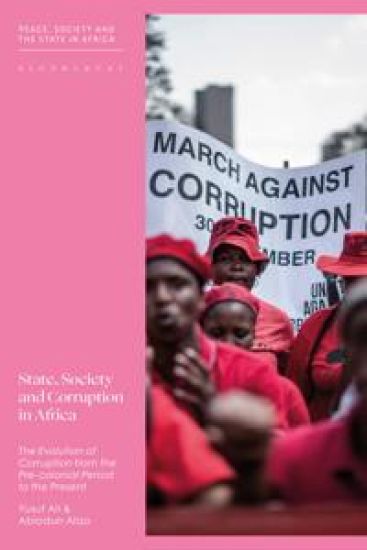
State, Society and Corruption in Africa

State, Society and Corruption in Africa

Yusuf Ali; Abiodun Alao

BLOOMSBURY PUBLISHING PLC
2025
nidottu
An illuminating and comprehensive interrogation of the impacts of corruption on state structures and institutions in Africa from two expert African scholars. Focusing on a variety of institutions and establishments – from the judiciary to the legislature, civil service to religion, tertiary education to national economies – and drawing on key countries across the continent, including Nigeria, Ghana, Sierra Leone, Kenya, Ethiopia, South Africa and Zimbabwe, the book explains why national, continental and global initiatives addressing corruption have achieved such limited success. This provides a much-needed nuanced understanding of corruption which rejects stereotypical depictions of Africa as a corruption-ridden continent and also offers new insights into the international community's role in making and sustaining corrupt systems in Africa.