Kirjojen hintavertailu – 12 903 725 kirjaa ja 27 kauppaa

Kirjailija

Yves Steinebach

Kirjat ja teokset yhdessä paikassa: 6 kirjaa, julkaisuja vuosilta 2019–2026, suosituimpiin kuuluu Triage Bureaucracy. Vertaile teosten hintoja ja tarkista saatavuus suomalaisista kirjakaupoista.

6 kirjaa

Kirjojen julkaisuvuodet: 2019–2026.

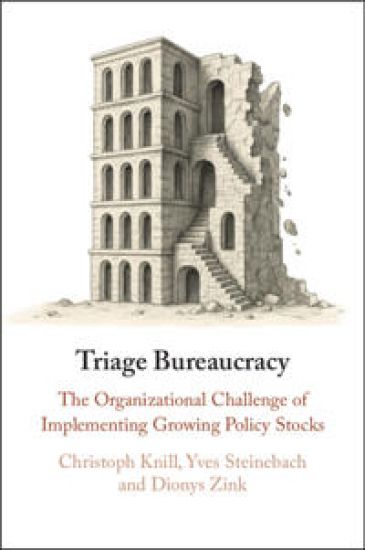
Triage Bureaucracy

Triage Bureaucracy

Christoph Knill; Yves Steinebach; Dionys Zink

Cambridge University Press
2026
pokkari
In an era of constant policy growth (known as policy accumulation), effective policy implementation is a growing challenge for democratic governance across the globe. Triage Bureaucracy explores how government agencies handle expanding portfolios of rules, programs, and regulations using 'policy triage' – a set of strategies for balancing limited resources across increasing implementation demands. Drawing on case studies from six diverse European countries, the authors show how organizations' vulnerability to overburdening and their ability to compensate for overload determine why policy implementation succeeds in some cases while it fails in others. Triage Bureaucracy offers a deeper understanding of the organizational dynamics behind effective governance and, by placing bureaucratic actors at the center of the policy process, shows why policy growth often outpaces our ability to implement it – shedding light on the consequences of an ever expanding policy state. This title is also available as Open Access on Cambridge Core.
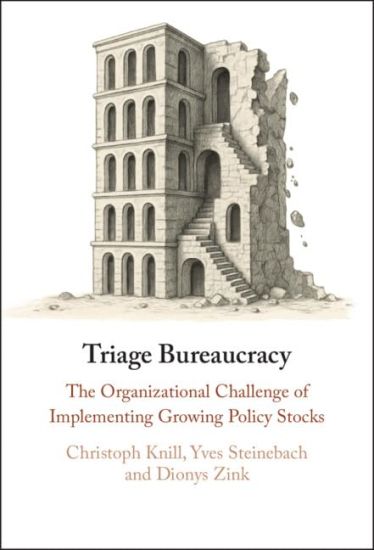
Triage Bureaucracy

Triage Bureaucracy

Christoph Knill; Yves Steinebach; Dionys Zink

Cambridge University Press
2026
sidottu
In an era of constant policy growth (known as policy accumulation), effective policy implementation is a growing challenge for democratic governance across the globe. Triage Bureaucracy explores how government agencies handle expanding portfolios of rules, programs, and regulations using 'policy triage' – a set of strategies for balancing limited resources across increasing implementation demands. Drawing on case studies from six diverse European countries, the authors show how organizations' vulnerability to overburdening and their ability to compensate for overload determine why policy implementation succeeds in some cases while it fails in others. Triage Bureaucracy offers a deeper understanding of the organizational dynamics behind effective governance and, by placing bureaucratic actors at the center of the policy process, shows why policy growth often outpaces our ability to implement it – shedding light on the consequences of an ever expanding policy state. This title is also available as Open Access on Cambridge Core.
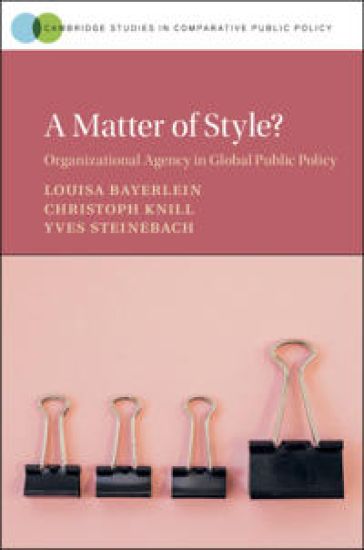
A Matter of Style?

A Matter of Style?

Louisa Bayerlein; Christoph Knill; Yves Steinebach

Cambridge University Press
2023
pokkari
International public administrations (IPAs) have become an essential feature of global governance, contributing to what some have described as the 'bureaucratization of world politics'. While we do know that IPAs matter for international politics, we neither know exactly to what extent nor how exactly they matter for international organizations' policy making processes and subsequent outputs. This book provides an innovative perspective on IPAs and their agency in introducing the concept of administrative styles to the study of international organizations and global public policy. It argues that the administrative bodies of international organizations can develop informal working routines that allow them to exert influence beyond their formal autonomy and mandate. The theoretical argument is tested by an encompassing comparative assessment of administrative styles and their determinants across eight IPAs providing rich empirical insight gathered in more than 100 expert interviews.
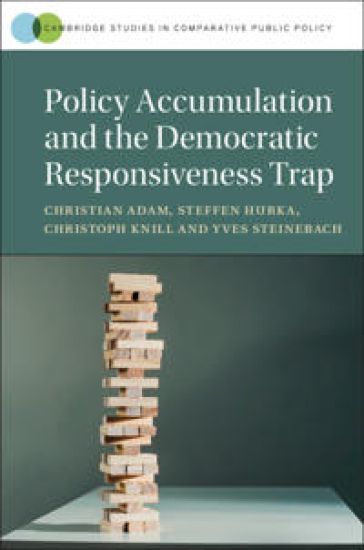
Policy Accumulation and the Democratic Responsiveness Trap

Policy Accumulation and the Democratic Responsiveness Trap

Christian Adam; Steffen Hurka; Christoph Knill; Yves Steinebach

Cambridge University Press
2020
pokkari
The responsiveness to societal demands is both the key virtue and the key problem of modern democracies. On the one hand, responsiveness is a central cornerstone of democratic legitimacy. On the other hand, responsiveness inevitably entails policy accumulation. While policy accumulation often positively reflects modernisation and human progress, it also undermines democratic government in three main ways. First, policy accumulation renders policy content increasingly complex, which crowds out policy substance from public debates and leads to an increasingly unhealthy discursive prioritisation of politics over policy. Secondly, policy accumulation comes with aggravating implementation deficits, as it produces administrative backlogs and incentivises selective implementation. Finally, policy accumulation undermines the pursuit of evidence-based public policy, because it threatens our ability to evaluate the increasingly complex interactions within growing policy mixes. The authors argue that the stability of democratic systems will crucially depend on their ability to make policy accumulation more sustainable.
A Matter of Style?

A Matter of Style?

Louisa Bayerlein; Christoph Knill; Yves Steinebach

Cambridge University Press
2020
sidottu
International public administrations (IPAs) have become an essential feature of global governance, contributing to what some have described as the 'bureaucratization of world politics'. While we do know that IPAs matter for international politics, we neither know exactly to what extent nor how exactly they matter for international organizations' policy making processes and subsequent outputs. This book provides an innovative perspective on IPAs and their agency in introducing the concept of administrative styles to the study of international organizations and global public policy. It argues that the administrative bodies of international organizations can develop informal working routines that allow them to exert influence beyond their formal autonomy and mandate. The theoretical argument is tested by an encompassing comparative assessment of administrative styles and their determinants across eight IPAs providing rich empirical insight gathered in more than 100 expert interviews.
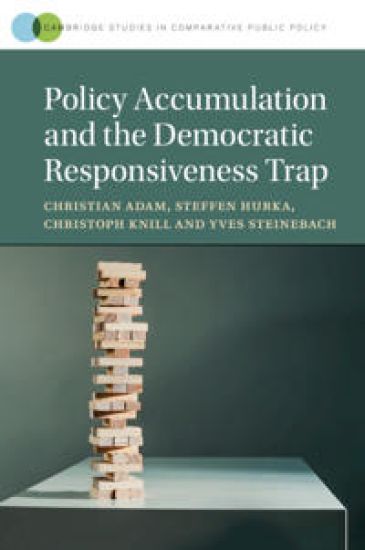
Policy Accumulation and the Democratic Responsiveness Trap

Policy Accumulation and the Democratic Responsiveness Trap

Christian Adam; Steffen Hurka; Christoph Knill; Yves Steinebach

Cambridge University Press
2019
sidottu
The responsiveness to societal demands is both the key virtue and the key problem of modern democracies. On the one hand, responsiveness is a central cornerstone of democratic legitimacy. On the other hand, responsiveness inevitably entails policy accumulation. While policy accumulation often positively reflects modernisation and human progress, it also undermines democratic government in three main ways. First, policy accumulation renders policy content increasingly complex, which crowds out policy substance from public debates and leads to an increasingly unhealthy discursive prioritisation of politics over policy. Secondly, policy accumulation comes with aggravating implementation deficits, as it produces administrative backlogs and incentivises selective implementation. Finally, policy accumulation undermines the pursuit of evidence-based public policy, because it threatens our ability to evaluate the increasingly complex interactions within growing policy mixes. The authors argue that the stability of democratic systems will crucially depend on their ability to make policy accumulation more sustainable.