Kirjojen hintavertailu – 12 859 826 kirjaa ja 27 kauppaa
Kirjailija
Yvette Jackson
Kirjat ja teokset yhdessä paikassa: 8 kirjaa, julkaisuja vuosilta 2011–2023, suosituimpiin kuuluu A Think-Aloud & Talk-Aloud Approach to Building Language. Vertaile teosten hintoja ja tarkista saatavuus suomalaisista kirjakaupoista.
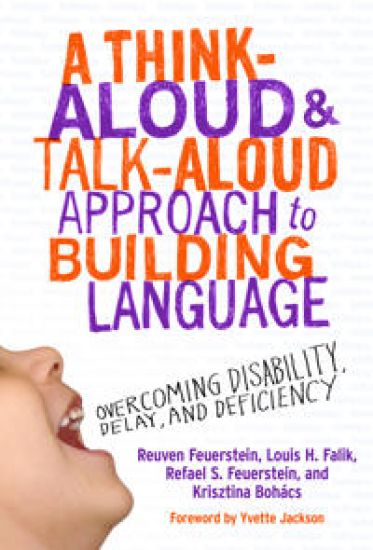
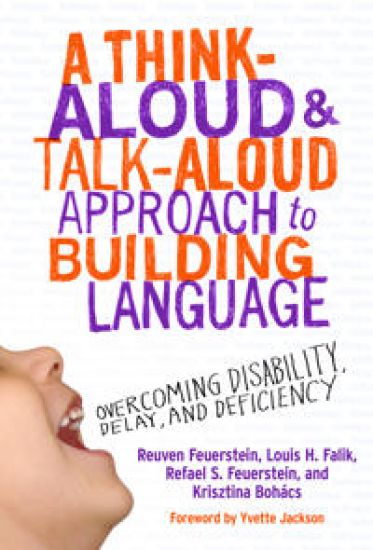
While self-talk like “Now we are buckling you in the car seat so we can go to the store” is common parental practice, this book shows how teachers, parents, and therapists can take this to higher levels to advance language cognitive development and learning potential. Based on neuroscience and their own innovative work, the authors provide the rationale and a step-by-step process for using intentional self-talk and think-aloud methods to improve both language and cognitive development in normal and language-delayed children, as well as in older individuals with disabilities. Stories are sprinkled throughout the text to demonstrate mediated self-talk in action and the remarkable results achieved with real children. With clear guidelines for delivery, content, and timing, the crucial core of the process is to narrate thinking, action, and emotion in the presence of children without requiring their response.
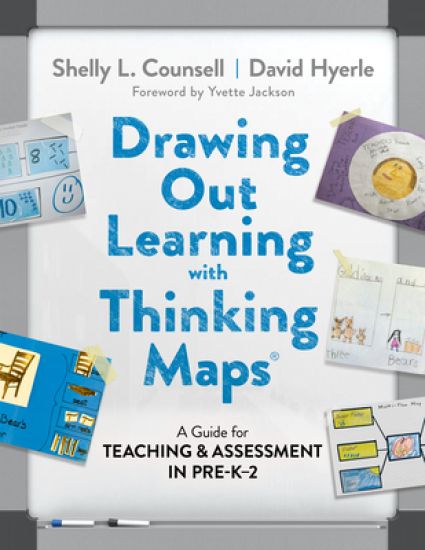
What and how young children are thinking are typically expressed and shared at home and school through verbal and written modes of communication. As a visual language framework conceived and developed by David Hyerle, Thinking Maps® offers an additional way for learners to represent their ideas by visually mapping their fundamental patterns of thinking. The authors offer a wide range of materials, strategies, and evidence-based practices for implementing Thinking Maps (and the metacognitive framing strategy that each map promotes) in ways that are developmentally appropriate, culturally responsive, and more inclusive with the full range of pre-K to 2nd-grade children. Since 1990, Thinking Maps have been implemented by teachers in over 15,000 schools across the United States and around the world, including countrywide implementation in Malaysia. This guide provides a whole-child approach with practical ideas and best applications for working with emergent readers and writers across developmental domains, curricula, and executive function. Book Features:Promotes systematic support of every students' cognitive development in whole schools (pre-K–2). Demonstrates how to use visual, auditory, tactile, and kinesthetic activities and materials to increase student engagement. Recommends Universally Designed Learning strategies to ensure full access and inclusion with diverse learners and children with disabilities. Includes graphically designed examples of Thinking Maps across content areas. Provides examples of student work, lesson planning ideas, and curriculum design based on cognitive education. Links language and thinking in everyday classroom learning for individual and cooperative learning.
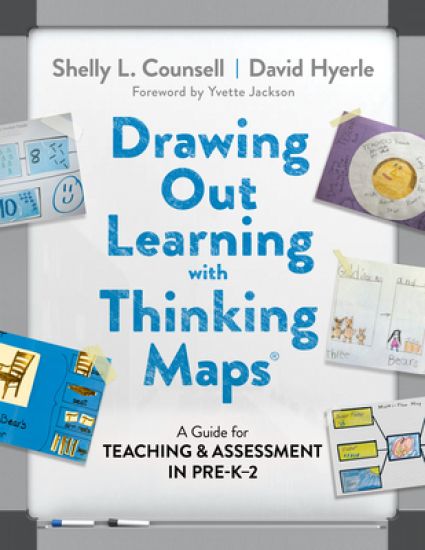
What and how young children are thinking are typically expressed and shared at home and school through verbal and written modes of communication. As a visual language framework conceived and developed by David Hyerle, Thinking Maps® offers an additional way for learners to represent their ideas by visually mapping their fundamental patterns of thinking. The authors offer a wide range of materials, strategies, and evidence-based practices for implementing Thinking Maps (and the metacognitive framing strategy that each map promotes) in ways that are developmentally appropriate, culturally responsive, and more inclusive with the full range of pre-K to 2nd-grade children. Since 1990, Thinking Maps have been implemented by teachers in over 15,000 schools across the United States and around the world, including countrywide implementation in Malaysia. This guide provides a whole-child approach with practical ideas and best applications for working with emergent readers and writers across developmental domains, curricula, and executive function. Book Features: Promotes systematic support of every students' cognitive development in whole schools (pre-K–2). Demonstrates how to use visual, auditory, tactile, and kinesthetic activities and materials to increase student engagement. Recommends Universally Designed Learning strategies to ensure full access and inclusion with diverse learners and children with disabilities. Includes graphically designed examples of Thinking Maps across content areas. Provides examples of student work, lesson planning ideas, and curriculum design based on cognitive education. Links language and thinking in everyday classroom learning for individual and cooperative learning.
What if your next faculty meeting began with this question: What are the strengths of our underachieving students? When teachers recognize and focus on student strengths, they transform the learning environment into one of positivity and potential. Students begin to believe in themselves as capable, valued, and respected and show more willingness to invest and engage in school. They perform better. They crave and enjoy academic challenge, and they delight in outdoing themselves. Focusing on strengths is a no-cost, highly effective, nontraditional way of addressing persistent underachievement. Drawing on authors Yvette Jackson and Veronica McDermott's experiences supporting the transformations of schools repeatedly labeled as underachieving, this book offers concrete ways to identify student strengths and then build on them in your classroom or school throughout the year. These field-tested strategies will help awaken students' belief in their own potential and put them on the path to lasting success.
Many urban educators live in fear: of their schools being labeled failures, of increasingly punitive sanctions, of loss of respect and livelihood. This fear pervades the entire school community, affecting the physical, mental, and emotional well-being of its members. The authors of this guide to transformation in urban schools are convinced that the key ingredient for school renewal is fearless leadership. Fearless leaders work in schools under-resourced and overburdened and serve disproportionately large numbers of children who live in poverty and face racism daily. They are ordinary educators committed to proving that demographics need not be destiny. This inspirational yet practical book will help you bridge the divide that separates urban students from their birthright of a high-quality education. You will learn how to:Adopt a leadership approach, consisting of affirmation, inspiration, and mediation (AIM), that will transform your school into a flourishing learning community. Build a leadership team of important stakeholders--including students--that is committed to improvement. Tap into the resources that already exist in your school and jettison institutional arrangements that prevent your school from becoming an enriching and creative community. Create supports that enable teachers to nurture their students' potential to meet high standards and become self-actualized learners. Each chapter closes with reflections and activities that will help your leadership team produce its own roadmap for change. Succeeding in the tough landscape of urban schools requires more than just passion and a sense of urgency; it requires real skills. Aim High, Achieve More provides insights gleaned from real-world experiences that will enable you to create a successful, vibrant learning environment.
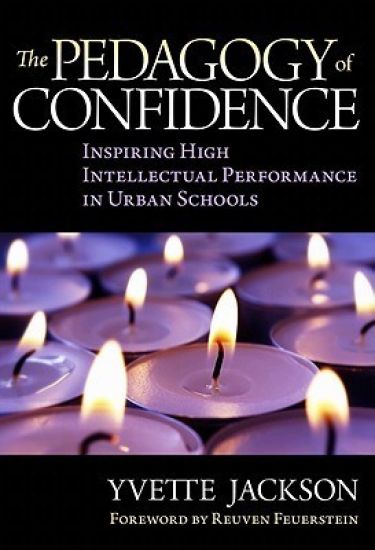
Yvette Jackson shows educators how to focus on students’ strengths to inspire learning and high intellectual performance. Jackson asserts that the myth that the route to increasing achievement by focusing on weaknesses (promoted by policies such as NCLB) has blinded us to the strengths and intellectual potential of urban students—devaluing the motivation, initiative, and confidence of dedicated educators to search for and optimize this potential. The Pedagogy of Confidence dispels this myth and provides practical approaches for rekindling educators’ belief in their ability to inspire the vast capacity of their urban students. Book Features: Describes practical approaches and examples of how inspirational educators implement High Operational Practices, offering strategies for dealing with cultural disconnects, the influence of new technologies, and language preferences of students. Illustrates how educators empower student investment in the “mediative learning community” to foster positive relationships. Presents historical, cognitive, and neuroscience research, providing educators the rationale and benefits of changing old policies and practices to new ones that will guide students to intellectual development, self-directed learning, and self-actualization. Explores the theory and methodology of cognitive psychologist Reuven Feuerstein, upon which The Pedagogy of Confidence is based.
In her new book, Yvette Jackson shows educators how to focus on students’ strengths to inspire learning and high intellectual performance. Jackson asserts that the myth that the route to increasing achievement by focusing on weaknesses (promoted by policies such as NCLB) has blinded us to the strengths and intellectual potential of urban students—devaluing the motivation, initiative, and confidence of dedicated educators to search for and optimise this potential. The Pedagogy of Confidence dispels this myth and provides practical approaches to rekindle educators’ belief in their ability to inspire the vast capacity of their urban students. Book Features:Describes practical approaches and examples of how inspirational educators implement High Operational Practices, offering strategies for dealing with cultural disconnects, the influence of new technologies, and language preferences of students. Illustrates how educators empower student investment in the “mediative learning community” to foster positive relationships. Presents historical, cognitive, and neuroscience research, providing educators the rationale and benefits of changing old policies and practices to new ones that will guide students to intellectual development, self-directed learning, and self-actualisation. Explores the theory and methodology of cognitive psychologist Reuven Feuerstein, upon which The Pedagogy of Confidence is based.