Kirjojen hintavertailu – 12 903 724 kirjaa ja 27 kauppaa

Kirjailija

Zsófia Demjén

Kirjat ja teokset yhdessä paikassa: 7 kirjaa, julkaisuja vuosilta 2015–2026, suosituimpiin kuuluu HPV Vaccination Discourse Online. Vertaile teosten hintoja ja tarkista saatavuus suomalaisista kirjakaupoista.

7 kirjaa

Kirjojen julkaisuvuodet: 2015–2026.

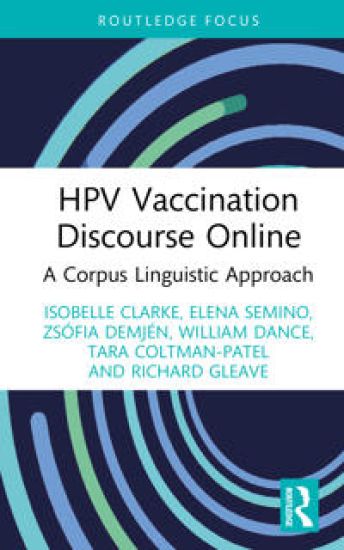
HPV Vaccination Discourse Online

HPV Vaccination Discourse Online

Isobelle Clarke; Elena Semino; Zsófia Demjén; Tara Coltman-Patel; William Dance; Richard Gleave

TAYLOR FRANCIS LTD
2026
sidottu
This concise volume spotlights an innovative computer-aided approach to linguistic analyses of HPV vaccination discourse on Twitter. The book features a new corpus linguistic technique, developed by the lead author, to studying patterns of language use in large datasets over time, otherwise known as Keyword Co-Occurrence Analysis. The authors explore the potential of social media platforms as rich areas of study for health communication and vaccination discourse, with this particular methodology allowing for detailed analysis of over half a million tweets from nearly 15 years of data. Given the increasingly influential role of social media platforms such as Twitter in shaping vaccine hesitancy, the volume offers readers a more nuanced understanding of their influence on attitudes around important health issues and a valuable resource in facilitating increased vaccine uptake. This book will be key reading for students, scholars, and policymakers interested in the intersection of language and health, in such areas as corpus linguistics, discourse analysis, health communication, and applied linguistics.

Researching Language and Health

Researching Language and Health

Zsófia Demjén; Sarah Atkins; Elena Semino

TAYLOR FRANCIS LTD
2023
sidottu
Researching Language and Health explores key topics in illness and healthcare contexts through multiple linguistic lenses. This book highlights key themes, guides readers through the design stages of research and the ethical considerations specific to linguistic health research, and brings methods and methodologies to life by demonstrating how these can be applied to specific issues in context. Covering a wide range of health conditions, healthcare contexts, and data types, with an emphasis on those most accessible to students and new researchers, the authors foreground the ‘so what?’ of research and the impact that linguistic studies can have. Both a guide to key elements of the research process and a holistic view of research projects that have been successful, insightful, and impactful in different contexts, this is an essential text for advanced students and researchers in healthcare communication and applied linguistics.
Researching Language and Health

Researching Language and Health

Zsófia Demjén; Sarah Atkins; Elena Semino

TAYLOR FRANCIS LTD
2023
nidottu
Researching Language and Health explores key topics in illness and healthcare contexts through multiple linguistic lenses. This book highlights key themes, guides readers through the design stages of research and the ethical considerations specific to linguistic health research, and brings methods and methodologies to life by demonstrating how these can be applied to specific issues in context. Covering a wide range of health conditions, healthcare contexts, and data types, with an emphasis on those most accessible to students and new researchers, the authors foreground the ‘so what?’ of research and the impact that linguistic studies can have. Both a guide to key elements of the research process and a holistic view of research projects that have been successful, insightful, and impactful in different contexts, this is an essential text for advanced students and researchers in healthcare communication and applied linguistics.
Metaphor, Cancer and the End of Life

Metaphor, Cancer and the End of Life

Elena Semino; Zsófia Demjén; Andrew Hardie; Sheila Payne; Paul Rayson

Routledge
2020
nidottu
This book presents the methodology, findings and implications of a large-scale corpus-based study of the metaphors used to talk about cancer and the end of life (including care at the end of life) in the UK. It focuses on metaphor as a central linguistic and cognitive tool that is frequently used to talk and think about sensitive and subjective experiences, such as illness, emotions, death, and dying, and that can both help and hinder communication and well-being, depending on how it is used. The book centers on a combination of qualitative analyses and innovative corpus linguistic methods. This methodological assemblage was applied to the systematic study of the metaphors used in a 1.5-million-word corpus. The corpus consists of interviews with, and online forum posts written by, members of three stakeholder groups, namely: patients diagnosed with advanced cancer; unpaid carers looking after a relative with a diagnosis of advanced cancer; and healthcare professionals. The book presents a range of qualitative and quantitative findings that have implications for: metaphor theory and analysis; corpus linguistic and computational approaches to metaphor; and training and practice in cancer care and hospice, palliative and end-of-life care.
Metaphor, Cancer and the End of Life

Metaphor, Cancer and the End of Life

Elena Semino; Zsófia Demjén; Andrew Hardie; Sheila Payne; Paul Rayson

Routledge
2017
sidottu
This book presents the methodology, findings and implications of a large-scale corpus-based study of the metaphors used to talk about cancer and the end of life (including care at the end of life) in the UK. It focuses on metaphor as a central linguistic and cognitive tool that is frequently used to talk and think about sensitive and subjective experiences, such as illness, emotions, death, and dying, and that can both help and hinder communication and well-being, depending on how it is used. The book centers on a combination of qualitative analyses and innovative corpus linguistic methods. This methodological assemblage was applied to the systematic study of the metaphors used in a 1.5-million-word corpus. The corpus consists of interviews with, and online forum posts written by, members of three stakeholder groups, namely: patients diagnosed with advanced cancer; unpaid carers looking after a relative with a diagnosis of advanced cancer; and healthcare professionals. The book presents a range of qualitative and quantitative findings that have implications for: metaphor theory and analysis; corpus linguistic and computational approaches to metaphor; and training and practice in cancer care and hospice, palliative and end-of-life care.
Sylvia Plath and the Language of Affective States

Sylvia Plath and the Language of Affective States

Zsófia Demjén

Bloomsbury Academic
2017
nidottu
Focusing on the first journal in The Unabridged Journals of Sylvia Plath, this book writes a convincing case for the value of corpus-based stylistics and narrative psychology in the analysis of representations of the experience of affective states. Situated at the intersection between language study, psychology and healthcare, this study of the personal writing of a poet and novelist showcases a cutting-edge combination of quantitative and qualitative approaches, including metaphor analysis, corpus methods, and second person narration. Techniques that systematically account for representations of experiences of affective states, such as those in this book, are rare and crucial in improving understanding of these experiences. The findings and methods of this book therefore potentially have bearing on the study, diagnosis and treatment of depression and other mental illnesses. Zsófia Demjén follows the cognitive turn in both literary studies and linguistics here, emerging with a greater understanding of Plath, her diarized output and her experience of her inner world.
Sylvia Plath and the Language of Affective States

Sylvia Plath and the Language of Affective States

Zsófia Demjén

Bloomsbury Academic
2015
sidottu
Focusing on the first journal in The Unabridged Journals of Sylvia Plath, this book writes a convincing case for the value of corpus-based stylistics and narrative psychology in the analysis of representations of the experience of affective states. Situated at the intersection between language study, psychology and healthcare, this study of the personal writing of a poet and novelist showcases a cutting-edge combination of quantitative and qualitative approaches, including metaphor analysis, corpus methods, and second person narration. Techniques that systematically account for representations of experiences of affective states, such as those in this book, are rare and crucial in improving understanding of these experiences. The findings and methods of this book therefore potentially have bearing on the study, diagnosis and treatment of depression and other mental illnesses. Zsófia Demjén follows the cognitive turn in both literary studies and linguistics here, emerging with a greater understanding of Plath, her diarized output and her experience of her inner world.