
Kirjojen hintavertailu – 12 859 819 kirjaa ja 27 kauppaa

Kirjailija

Züricher Kunstgesellschaft

Kirjat ja teokset yhdessä paikassa: 2 kirjaa, julkaisuja vuosilta 2018–2020, suosituimpiin kuuluu Wilhelm Leibl: The Art of Seeing. Vertaile teosten hintoja ja tarkista saatavuus suomalaisista kirjakaupoista.

2 kirjaa

Kirjojen julkaisuvuodet: 2018–2020.

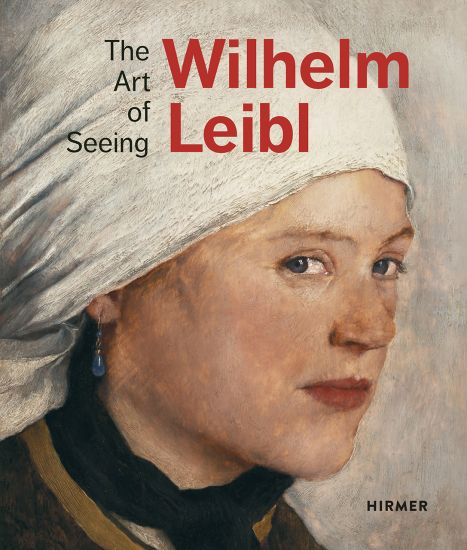
Wilhelm Leibl: The Art of Seeing

Wilhelm Leibl: The Art of Seeing

Bernhard von Waldkirch; Marianne von Manstein; Züricher Kunstgesellschaft; Albertina Wien

Hirmer Verlag
2020
sidottu
Wilhelm Leibl (1844–1900) is regarded as one of the most significant portraitists and an important representative of Realism in Europe. With large-format illustrations of 40 paintings and 60 drawings this volume accompanies the first comprehensive museum exhibition with a focus on portraits and representations of figures to be shown in Switzerland and Austria. Wilhelm Leibl explained his individual and modern figure painting with his retreat to the countryside. For Leibl the decisive factor was not that a model was attractive, but that he or she was shown in a good light. The publication highlights in insightful contributions Leibl’s position between tradition and modernity, his contribution to European Realism and his affinity for the colour black. It also discusses his relationship to Degas, his links with Hungary and his importance for the art of the twentieth and twenty-first century.
Praised and Ridiculed

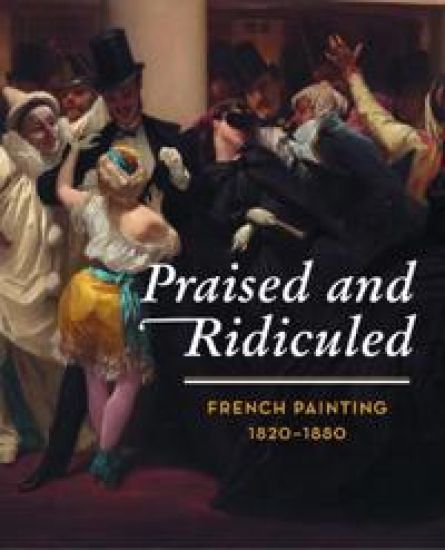
Praised and Ridiculed

Züricher Kunstgesellschaft; Kunsthaus Zürich

Hirmer Verlag
2018
nidottu
Romanticism, Realism, Impressionism – these are still the most important stylistic labels which acted as slogans for French painting during the 19th century. At that time Delacroix, Courbet, Manet and many others left the “straight and narrow” of painting, the academic-neo-classical manner. Highly controversial at the time, today these painters are celebrated worldwide as precursors of Modernism. The situation is very different when it comes to the Salon painters like Meissonier, Cabanel, Gérôme and Bouguereau, who were highly regarded at the time. Today they have been consigned to the fringes, especially in the German-speaking region – unjustifiably, because they play an outstanding role with regard to our understanding of developments in art at the time.