Kirjojen hintavertailu – 12 859 828 kirjaa ja 27 kauppaa

Kirjailija

Alan Davies

Kirjat ja teokset yhdessä paikassa: 43 kirjaa, julkaisuja vuosilta 1998–2026, suosituimpiin kuuluu Dictionary of Language Testing. Vertaile teosten hintoja ja tarkista saatavuus suomalaisista kirjakaupoista.

43 kirjaa

Kirjojen julkaisuvuodet: 1998–2026.

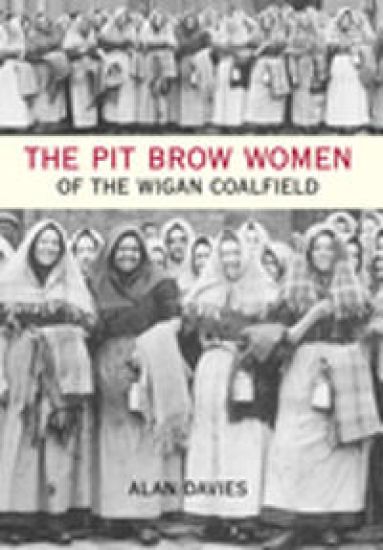
The Pit Brow Women of Wigan Coalfield

The Pit Brow Women of Wigan Coalfield

Alan Davies

The History Press Ltd
2002
nidottu
This illustrated book tells the story of the female colliery surface workers, or pit brow women, of the Wigan coalfield. The numbers of women working in mines grew vastly after the expansion of the coal industry in the mid- to late eighteenth century. The practice continued until the Children's Employment Commission 1842 outlawed women working below ground, leading to many families suffering huge losses of earnings. In Lancashire, many women soon started working the colliery surface, grading the coal on conveyors or acting as general labourers. Illustrated newspapers fostered great interest in them from 1840, and Wigan coalfield employed more than any other area. In the 1840 a a huge photographic collection studying the women was created by A. J. Munby, which forms a major source for this detailed study. The women themselves remain a fascinating and unique feature of both local and industrial history.
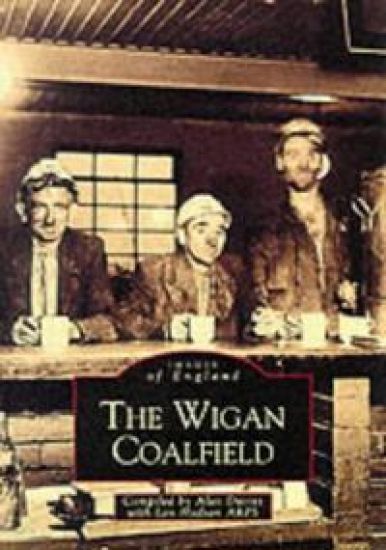
Wigan Coalfield

Wigan Coalfield

Alan Davies; Len Hudson

The History Press Ltd
1999
nidottu
Through documents, the Wigan area can trace its coal mining activities as far back as 650 years, and for a brief spell in the late nineteenth century Wigan itself was proudly known as 'Coalopolis'. Mining machinery such as ventilation fans, winding engines, air compressors, pumps and haulage engines were manufactured around Wigan, the products of Worsley Mesnes Ironworks, Woods & Sons or Walker Brothers. The closure of the Bickershaw, Golborne and Parsonage mining complex in 1992, however, brought to an end the Wigan Coalfield's great era. Over 700 million tons of coal have been produced in the Wigan coalfield over the last 600 years, while a similar amount still lies below the ground. The recent ill-advised rush to wipe out all trace of the British coal industry has temporarily closed the mines of the Wigan area, and sadly thousands of men with the specialist skills peculiar to the industry have found themselves without a career. The photographs in the compilation have been carefully selected from the collections of the Lancashire Mining Museum, Wigan Heritage Centre, and the Donald Anderson/Tony France Archive. It is a book that will provide an intriguing insight into the lives and working conditions of Wigan area miners, and is a testament to the region and its proud coal mining legacy.
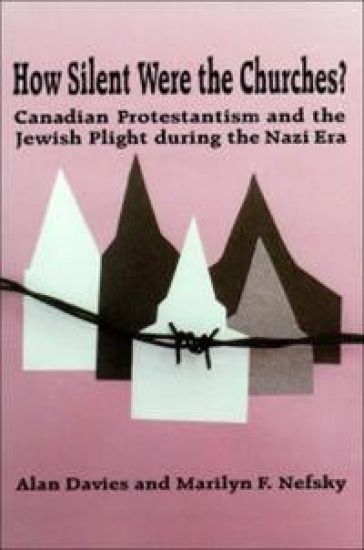
How Silent Were the Churches?

How Silent Were the Churches?

Alan Davies; Marilyn F. Nefsky

Wilfrid Laurier University Press
1998
nidottu
Winner of the 1997 Jewish Book Committee award for scholarship on a Canadian Jewish subject. Ever since Abella and Troper (None Is too Many, 1982) exposed the anti-Semitism behind Canada's refusal to allow Jewish escapees from the Third Reich to immigrate, the Canadian churches have been under a shadow. Were the churches silent or largely silent, as alleged, or did they speak? In How Silent Were the Churches? a Jew and a Christian examine the Protestant record. Old letters, sermons and other church documents yield a profile of contemporary Protestant attitudes. Countless questions are raised -- How much anti-Semitism lurked in Canadian Protestantism? How much pro-German feeling? How accurately did the churches of Canada read the signs of the times? Or did they bury their heads in the sand? Davies and Nefsky discover some surprising answers. The theologies and the historical and ethnic configurations of Protestant Canada, encompassing religious communities from the United Church to the Quakers, are brought into relief against the background of the Great Depression, the rise of fascism in Europe and the resurgence of nativism in Canadian society. The authors conclude their study with an evaluation of the limits to Protestant influence in Canada and the dilemmas faced by religious communities and persons of conscience when confronted by the realities of power.