Kirjailija
Aldous Huxley
Kirjat ja teokset yhdessä paikassa: 335 kirjaa, julkaisuja vuosilta 1920–2026, suosituimpiin kuuluu Uljas uusi maailma. Vertaile teosten hintoja ja tarkista saatavuus suomalaisista kirjakaupoista.
335 kirjaa
Kirjojen julkaisuvuodet: 1920–2026.


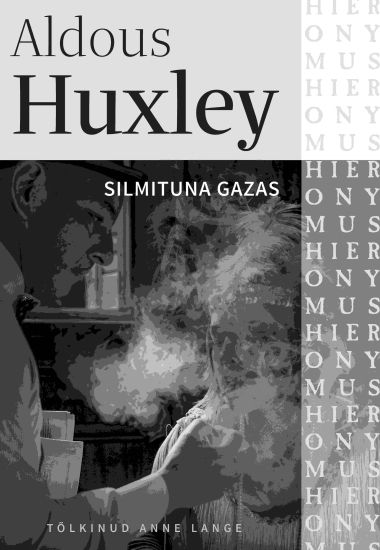
Inglise kirjaniku, esseisti ja mõtleja loomingut iseloomustab intellektuaalne julgus ja iroonia. Tema romaan "Silmituna Gazas" (1936) inimesest, kes püüab leida uut eetilist alust, millele rajada oma elu. Peategelane Anthony Beavis on autoriga samast põlvkonnast ja tal on samasugune seltskondlik ja hariduslik taust. Sündmuste esitamise järjestuse määrab fragmentaarses romaanis see, mil määral Anthony jõuab nende mõistmiseni ja omandab nendest kõnelemiseks sobiva keele. Loo taustaks on 19. sajandi lõpu ja 20. sajandi alguse murranguline ajajärk, mil sotsiaalsed muutused ja seniste väärtuste lagunemine panid otsima uusi, veenvamaid ja eetilisemaid viise, kuidas elada teadlikku inimelu. Romaani on tõlkinud ja saatesõnaga varustanud eesti kirjandus- ja tõlketeadlane Anne Lange.

Utopichne majbutnje - tse svit, u jakomu ljudi perebuvajut pid pilnim kontrolem. Suspilstvo podilene na kasti, kozhna z jakikh vidigraje svoju rol. Usi povinni nasolodzhuvatisja ustanovlenim ladom i sluzhiti "zagalnomu blagu", a naspravdi - panivnomu rezhimu. Kozhen, khto ne khoche zhiti v "zlagodzhenomu" suspilstvi - dikun i, vidpovidno, vorog.

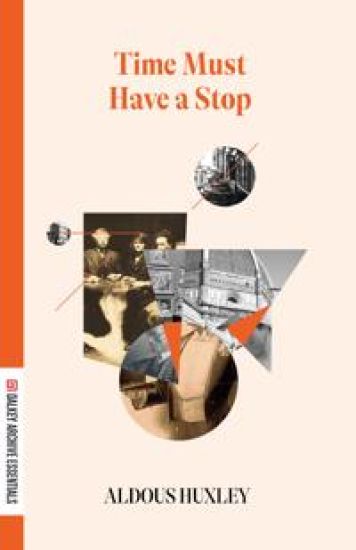
Sebastian Barnack, a handsome English schoolboy, goes to Italy for the summer, and there his real education begins. His teachers are two quite different men: Bruno Rontini, the saintly bookseller, who teaches him about things spiritual; and Uncle Eustace, who introduces him to life's profane pleasures. The novel that Aldous Huxley himself thought was his most successful at "fusing idea with story, " Time Must Have A Stop is part of Huxley's lifelong attempt to explore the dilemmas of twentieth-century man and to create characters who, though ill-equipped to solve the dilemmas, all go stumbling on in their painfully serious comedies (in this novel we have the dead atheist who returns in a seance to reveal what he has learned after death but is stuck with a second-rate medium who garbles his messages).
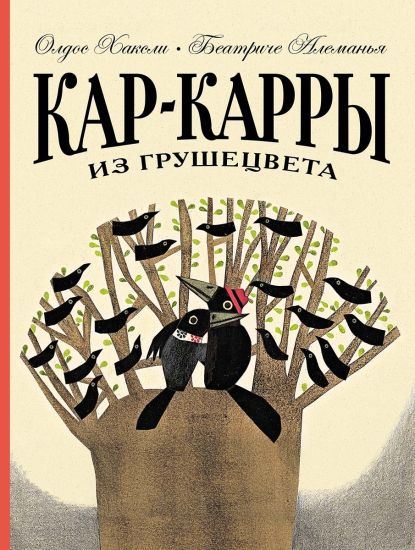
V Grushetsvete na verkhushke bolshogo topolja zhila semejka voron. Kazhdyj den, krome voskresenij i prazdnikov, gospozha Kar-Karr otkladyvala jajtso - bledno-zeljonoe v chjornuju krapinku. A nazavtra, vernuvshis iz magazina, nakhodila gnezdo pustym. Eto prodolzhalos mnogo dnej, poka odnazhdy gospozha Kar-Karr ne zastala u sebja doma Gremuchuju zmeju - s jajtsom v pasti. Bednaja vorona ele dozhdalas muzha s raboty i potrebovala, chtoby tot sam ubil zlodejku. No gospodin Kar-Karr ne stal etogo delat, a otpravilsja za sovetom k svoemu drugu - Mudromu filinu. I tot podskazal emu, kak raz i navsegda prouchit vorovku. Anglijskij pisatel i filosof Oldos Khaksli (1894-1963), avtor znamenitoj antiutopii "O divnyj novyj mir" (1932), napisal svoju edinstvennuju detskuju skazku vo vremja rozhdestvenskikh kanikul 1944 goda. On sochinil ejo dlja pjatiletnej plemjannitsy Olivii Khollevil. V nej upomjanuty sama devochka, ejo brat Siggi i ikh sosedi - semejstvo Jost. Dejstvie proiskhodit na ferme v gorodke Perblossom (Grushetsvet), gde zhila semja Olivii. Pisatel s zhenoj Mariej zhili nepodaljoku, v Llano, i deti sestry Marii chasto u nikh byvali. Vo vremja pozhara v dome Khaksli rukopis sgorela, no, k schastju, u Jostov sokhranilsja vtoroj ekzempljar. Skazka byla opublikovana v 1967 godu, uzhe posle smerti avtora, i s tekh por istorija pro parochku chjornykh voron, gremuchuju zmeju i mudrogo filina raduet vsjo novye pokolenija chitatelej ot 4 do 6 let. Na russkom jazyke skazka publikuetsja vpervye v prekrasnom perevode Olgi Varshaver i s illjustratsijami izvestnoj italjanskoj khudozhnitsy Beatriche Alemani, vypolnennymi v smeshannoj tekhnike s ispolzovaniem kollazha i applikatsii. Perevodchik: Varshaver Olga Illjustrator: Beatriche Alemanja
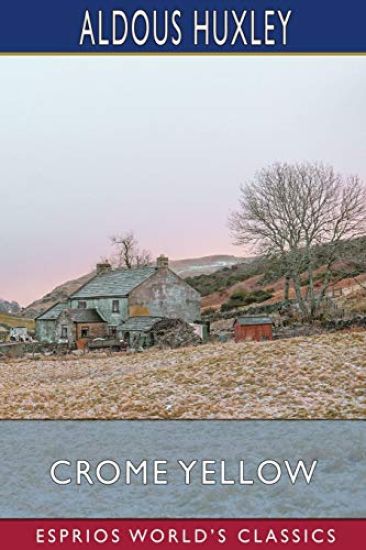
Crome Yellow is the first novel by British author Aldous Huxley, published by Chatto and Windus in 1921, followed by a US. edition by George H. Doran Company in 1922. Though a social satire of its time, it is still appreciated and has been adapted to different media. Crome Yellow was written during the summer of 1921 in the Tuscan seaside resort of Forte dei Marmi and published in November of that year. In view of its episodic nature, the novel was described in The Spectator as "a Cubist Peacock". This was in recognition of the fact that it was modelled on (and publicised as in the tradition of) Thomas Love Peacock's country-house novels.
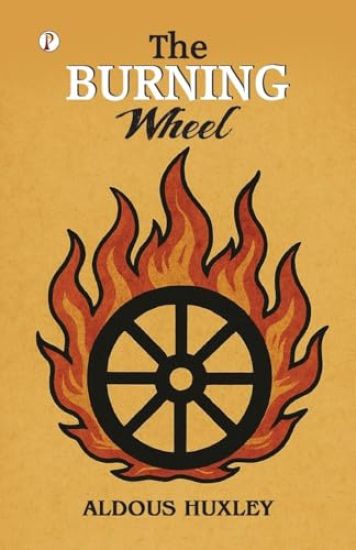
In this striking collection of poetry, Aldous Huxley reveals a world brimming with beauty, paradox, and profound insight. The Burning Wheel is more than a glimpse into the mind of a young poet-it's a journey into the heart of modernity, a testament to the tensions and yearnings of a generation on the brink of change. Huxley's early poems are alive with an elegant intensity, capturing the fleeting moments of love, the quiet stirrings of doubt, and the relentless passage of time. Each verse shimmers with a delicate precision, reflecting his fascination with both the seen and the unseen, the known and the unknowable. These poems offer a window into Huxley's evolving vision-his exploration of beauty and transience, of the search for meaning in a rapidly shifting world. From whispered reflections on life's fragility to bold declarations of artistic ambition, The Burning Wheel illuminates the complexity of the human soul.