Kirjailija
Anatole France
Kirjat ja teokset yhdessä paikassa: 1 060 kirjaa, julkaisuja vuosilta 1979–2026, suosituimpiin kuuluu Siniparta ja Siniparran seitsemän vaimoa. Vertaile teosten hintoja ja tarkista saatavuus suomalaisista kirjakaupoista.
1 060 kirjaa
Kirjojen julkaisuvuodet: 1979–2026.





Anatole France's work "Les dieux ont soif" translates to "The Gods Will Have Blood" or "The Gods are Athirst." Both translations of the title accurately depict the nature of this novel set during the French Revolution. Young artist variste Gamelin is the right-hand man of Jacobin, Marat, and Robespierre and eventually becomes appointed as a juror on the Revolutionary Tribunal during the heinous Reign of Terror. Though Gamelin fully believes in the ideas of revolution and liberty, he uses his position of power to terrorize his friends and family who do not agree with his zealous ideals. Yet his bloodthirsty nature is put to an end when he, along with his mentor Robespierre, is beheaded during the aftermath of the Thermidorian Reaction. "The Gods Will Have Blood" was published in 1912, and author Anatole France received the Nobel Prize for Literature in honor of his literary achievements. The text shows the dangers a fervently angry country and the terror that can arise when the public is allowed to dole out its own version of justice with random death sentences. It shows the consequences when humanity is consumed by an idea, even a good idea, that is allowed to become more important than the people who hold it.
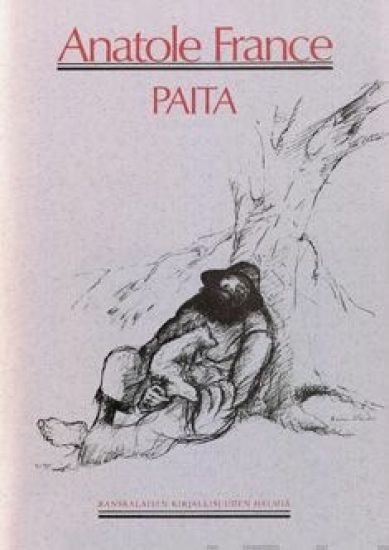
Paita on satiirinen muunnelma kansantarinan kuningas Kristofferista, jonka epämääräiset vaivat voi parantaa ainoastaan onnelliselta mieheltä saatu paita. Onnellista miestä etsitään ympäri valtakuntaa, mutta kun hänet vihdoin löydetään, onko hänellä mitään toiselle annettavaa? Onko hän vain "onnellinen onnessaan?" Paita ilmestyi ensimmäisen kerran 1909. Näköispainos Kariston vuonna 1982 julkaisemasta L. Onervan suomennoksesta.





Les opinions de M. Jérôme Coignard Recueillies par Jacques Tournebroche
Anatole France
Tredition Classics
2012
sidottu