Kirjojen hintavertailu – 12 903 735 kirjaa ja 27 kauppaa

Kirjailija

Anthony Burton

Kirjat ja teokset yhdessä paikassa: 49 kirjaa, julkaisuja vuosilta 1976–2027, suosituimpiin kuuluu Richard Trevithick. Vertaile teosten hintoja ja tarkista saatavuus suomalaisista kirjakaupoista.

49 kirjaa

Kirjojen julkaisuvuodet: 1976–2027.

History's Most Dangerous Jobs: Miners

History's Most Dangerous Jobs: Miners

Anthony Burton

The History Press Ltd
2013
nidottu
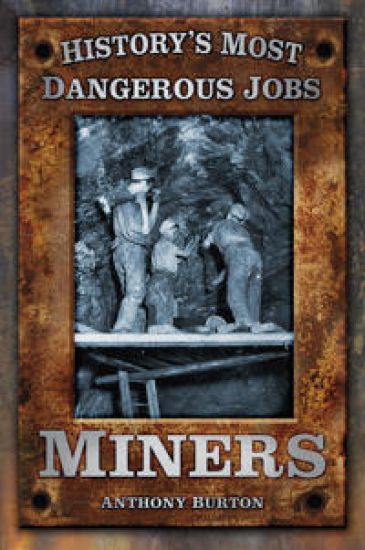
Mining is Britain’s oldest industry, and this book follows the men and, in the past, women who spent their lives working underground. Since the New Stone Age various minerals have been wrested from British soil – copper, tin, gold, lead – but in later periods the key commodity was coal. Those who worked in the mines were constantly battling on two fronts: there was the continual danger of flood and explosion; and the often bitter struggles against the mine owners. This story is also one of invention and innovation, looking particularly at how the independent miners of Cornwall and Devon were at the forefront of the development of the steam engine that was to transform society. This, the second book in an exciting new series looking at Britain’s most dangerous industries, is a tale of blood, sweat and death among a courageous and close-knit community that has now all but passed into history.
History's Most Dangerous Jobs: Navvies

History's Most Dangerous Jobs: Navvies

Anthony Burton

The History Press Ltd
2012
nidottu
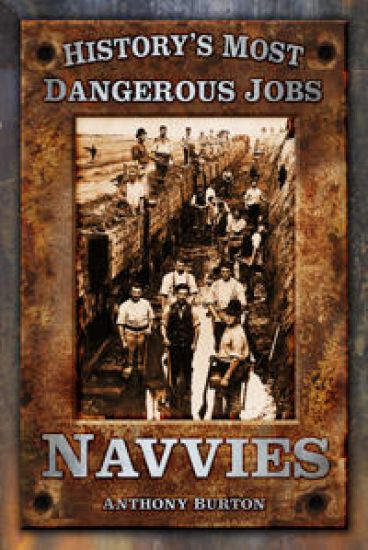
This is the story of the men who built Britain’s canals and railways – not the engineers and the administrators but the ones who provided the brawn and muscle. There had never been a workforce like the navvies, a great army of men, moving about the country following the work as it became available. This book will tell of their extraordinary feats of strength and their often colourful lives. They lived rough, usually having to make do with huts and shelters cobbled together from whatever materials were available. They worked hard and drank hard. Often exploited by their employers, they were always liable to erupt into riots that could have fatal results. The book will look at who these men were, where they came from – and destroy the myth that they were all Irish. It is a story full of drama, but above all one of great achievements.
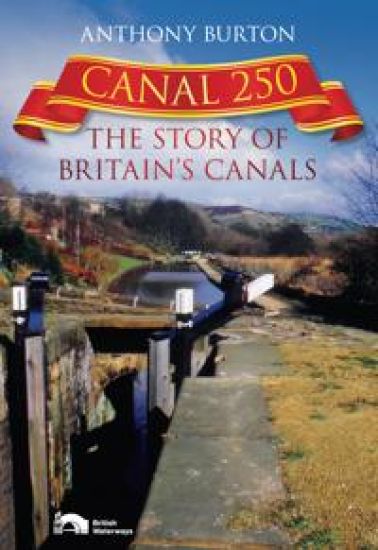
Canal 250

Canal 250

Anthony Burton

The History Press Ltd
2011
sidottu
When a young English nobleman was thwarted in love he abandoned the court, retired to his estate near Manchester and built a canal to serve his coalmines. The Bridgewater Canal was the sensation of the age and led others to follow the example of the enterprising Duke of Bridgewater. From his starting point in 1760, over the next half-century Britain was covered by a network of waterways that became the lifeblood of the Industrial Revolution. This is the story of 250 years of history on those canals, and of the people who made and used them. The book tells of the great engineers, such as Telford, Brindley and Jessop and of the industrialists, such as Wedgwood and Arkwright who promoted the canals they built. It also tells the story of the anonymous navvies who dug the canals, the men and women who ran the boats and the workers who kept the canals running. Covering the entire history of the canal network (from the glorious early days, through the years of decline caused by rail and then road competition, up to the subsequent revival of the canals as leisure routes), this wonderfully illustrated book is a must-have for all canal enthusiasts.
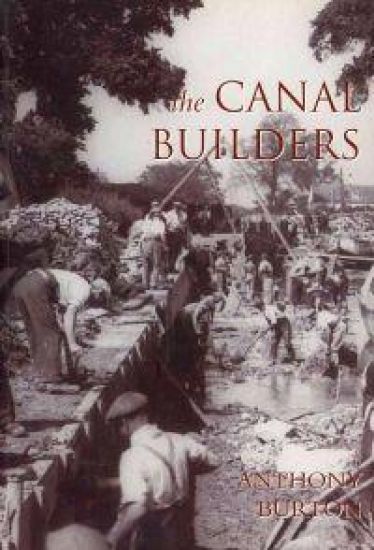
The Canal Builders

The Canal Builders

Anthony Burton

NPI Media Group
2005
nidottu
Just over 250 years ago a revolution started in the UK that was to make it the powerhouse of the world. The Industrial Revolution saw the growth of the town, altered trade patterns and of the first proper transport system in the country. From the first river navigations to the building of some of the most impressive canals, Anthony Burton looks at the men who made Britain 'Great', those first pioneers of the industrial age. Without the new canals it is unlikely that Britain would have become industrialised just so quickly and a few men like Thomas Telford, William Jessop and James Brindley were responsible for most of the first canals. First published in 1969, this revised edition is the definitive history of Britain's canals and the men who made them.
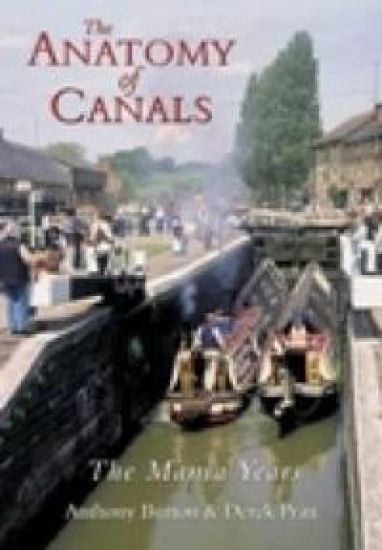
The Anatomy of Canals Volume 3

The Anatomy of Canals Volume 3

Anthony Burton; Derek Pratt

The History Press Ltd
2003
nidottu
Competition from rail and later road forced many canals into closure, and a large section of the old system seemed doomed to crumble away into terminal decay. Then came a new industry: the canal leisure industry, and with it the birth of the restoration movement. This final volume in the Anatomy of Canals series looks at what has been achieved and how the new compares with the old. Cities such as Brimingham have now been won over and have made the old canals part of a lively rejuvenation programme, while a new generation of engineers has produced such marvels as the Falkirk Wheel.
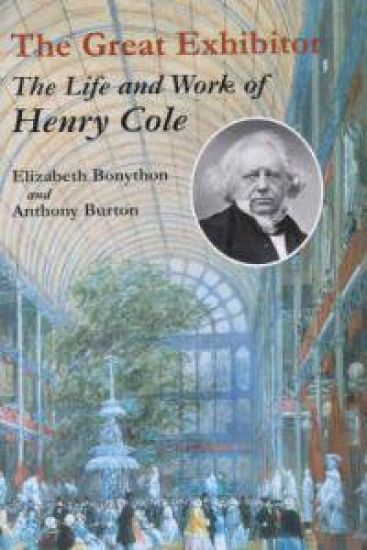
The Great Exhibitor

The Great Exhibitor

Anthony Burton; Elizabeth Bonython

V A Publications
2003
sidottu
By the end of his life Henry Cole was recognised as a national institution, "Old King Cole", though has was also treated with caution as a "playful monster". He was a lifelong Civil Servant, in a period when Civil Servants could be buccaneering reformers rather than impassive mandarins. Describedas "a clever agitator, and a public spirited fellow", he waged many campaigns, moving from the Public Records to the Penny Post, to railway expansion, to patent law revision, to art and design reform. With Prince Albert, he created the Great Exhibition of 1851, and kept on organising international exhibitions for the rest of his life. He was in charge of a nationwide system of art and science education, and, again with Prince Albert, developed the South Kensington area as the intellectual quarter of London. The Victoria and Albert Museum, of which he was founding Director, remains as his best-known memorial, andis a symbol of his mission to educate through exhibiting. This book gives a rounded picture of this extraordinary man. He is portrayed not only as exhibitor, museum director andeducationalist, but as a galvanic force administering salutary shocks over a wide areas of Victorian life: children's books, hackney cabs, public lavatories, choral singing, cookery, sewage disposal, to name only a few. In his own time he aroused admiration and antipathy in equal measure. For today's readers, his energy and creativity will mark him out as an inimitable Victorian phenomenon.
The Anatomy of Canals Volume 2

The Anatomy of Canals Volume 2

Anthony Burton; Derek Pratt

The History Press Ltd
2002
nidottu
The story of Britain's canals reads like a history of the Industrial Revolution. It was the growth of canals in the late eighteenth century that made possible and, in fact, created the need for many of the technological advances of the time. The legacy they have left is used my millions every day for leisure pursuits, for fishing, for walking the dog and for the obvious use of boating. This book helps to describe what can be seen today and to relate this to the history and technology of the period. Covering the canals of England and Wales this is the best companion to our waterways heritage.
The Anatomy of Canals Volume 1

The Anatomy of Canals Volume 1

Anthony Burton; Derek Pratt

The History Press Ltd
2001
nidottu
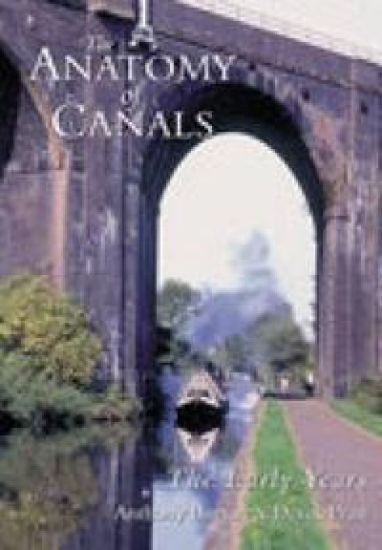
Beginning in the late 18th century, the author conveys the original character of the waterways of England and traces their development. The new engineering techniques of the time are also considered. Coupled with the photography of Derek Pratt, this is a fascinating record of canals as they were and as they are today.