

Kirjailija
Anthony Trollope
Kirjat ja teokset yhdessä paikassa: 2 344 kirjaa, julkaisuja vuosilta 1974–2026, suosituimpiin kuuluu Autobiography Of Anthony Trollope. Vertaile teosten hintoja ja tarkista saatavuus suomalaisista kirjakaupoista.
2 344 kirjaa
Kirjojen julkaisuvuodet: 1974–2026.


The Warden centers on Mr. Harding, a clergyman of great personal integrity who is nevertheless in possession of an income from a charity far in excess of the sum devoted to the purposes of the foundation. On discovering this, young John Bold turns his reforming zeal to exposing what he regards as an abuse of privilege, despite the fact that he is in love with Mr. Harding's daughter Eleanor. It was a highly topical novel (a case regarding the misapplication of church funds was the scandalous subject of contemporary debate), but like other great Victorian novelists, Trollope uses the specific case to explore and illuminate the universal complexities of human motivation and social morality

The Warden introduces us to the lives of some of the most beloved characters in all literature. Part of the Macmillan Collector’s Library; a series of stunning, clothbound, pocket sized classics with gold foiled edges and ribbon markers. These beautiful books make perfect gifts or a treat for any book lover. This edition has an introduction by Margaret Drabble and illustrations by F. C. Tilney. Scandal strikes the peaceful cathedral town of Barchester when Septimus Harding, the warden of charitable foundation Hiram’s Hospital, is accused of financial wrongdoing. A kindly and naive man, he finds himself caught between the forces of entrenched tradition and radical reform amid the burgeoning materialism of Britain in the 1850s. The deeply insightful portrayals of figures such as the booming Archdeacon Grantly and the beautiful Eleanor Harding are at the heart of this moving and deliciously comical tale. The Warden launched the enduringly popular Barsetshire Chronicles series of six novels and won Anthony Trollope a seat in the pantheon of great literary figures.

Editorial note: This book is about the seduction of a young girl by the heir to an earldom, the resulting illegitimate pregnancy, and the young nobleman's struggle to decide whether to marry or to abandon the girl--certainly not the usual content of Victorian novels. Trollope is believed to have written An Eye for an Eye in 1870, but he did not publish it until the fall of 1878, when it appeared in serial form in the Whitehall Review, followed by publication of the entire book in 1879. The reason for delaying publication is unknown, although Trollope might have been concerned about the book's reception by the public, given its subject matter and the hostile reception in 1853 of Elizabeth Gaskell's Ruth, which dealt with the same subject.
Editorial note: This book is about the seduction of a young girl by the heir to an earldom, the resulting illegitimate pregnancy, and the young nobleman's struggle to decide whether to marry or to abandon the girl--certainly not the usual content of Victorian novels. Trollope is believed to have written An Eye for an Eye in 1870, but he did not publish it until the fall of 1878, when it appeared in serial form in the Whitehall Review, followed by publication of the entire book in 1879. The reason for delaying publication is unknown, although Trollope might have been concerned about the book's reception by the public, given its subject matter and the hostile reception in 1853 of Elizabeth Gaskell's Ruth, which dealt with the same subject.

In The Last Chronicle of Barset, Trollope concludes his saga of ecclesiastical life. Josiah Crawley, a proud, impoverished clergyman, faces difficult legal circumstances. Caught amidst poverty, Josiah appears to have stolen a check and is forced to stand trial--despite the fact that he cannot remember its origins. To make matters worse, his daughter Grace desperately seeks the approval of Archdeacon Grantly, whose son she intends to marry. The Last Chronicle of Barset is a joyful end to the Chronicles of Barsetshire. Trollope skillfully weaves together plot threads and characters from earlier novels in the series and provides a fond farewell tour of his cherished diocese.

Bereft of his beloved wife Glencora and his role as Prime Minister, Plantagenet Palliser enters the realm of family politics as he struggles to guide and connect with his three wayward children. Lord Silverbridge, the Duke's first born and natural inheritor, expelled from Oxford, a gambler at the racetrack and an elected Conservative, further troubles his father when he becomes engaged to Isabel Boncassen, a vibrant and witty American heiress of low social status. Lady Mary, his daughter, falls in love with a penniless young gentleman named Frank Treager, while his second son, Gerald, displays similar behaviour to his brother. The beleaguered Duke must set aside his pride and accept their desires in order to restore happiness and harmony in the Palliser home. The Duke's Children brings Trollope's Palliser saga to a satisfying conclusion, and is here presented in its entirety, with over 65,000 words restored from the original manuscript by Steven Amarnick, assisted by Robert Wiseman, with Susan Humphreys.
The second novel of Anthony Trollope's "Chronicles of Barsetshire" series and widely considered one of his best and most popular works, "Barchester Towers" was published in 1857 and continues the story of Mr. Harding and his daughter Eleanor in the beautiful cathedral city of Barchester. Upon the death of the popular and beloved bishop, the citizens fully expect his son, Archdeacon Grantly, to fill the vacancy. Much to their consternation, however, the far more Evangelical Bishop Proudie is given the position. A struggle for power ensues between these traditional and new forces. Mrs. Proudie, the Bishop's overbearing wife, and the Bishop's new chaplain, the distasteful and hypocritical Mr. Slope, use their power to control the selection of the new warden of the local hospital over the objections of the rest of the clergy. Clerical reinforcements are called in on both sides and the struggle between the different factions of the church plays out amid the romantic entanglements and dramas of the town's inhabitants. In the end, the results are more than satisfactory for Eleanor and other citizens of Barchester in this witty comedy. This edition is printed on premium acid-free paper.



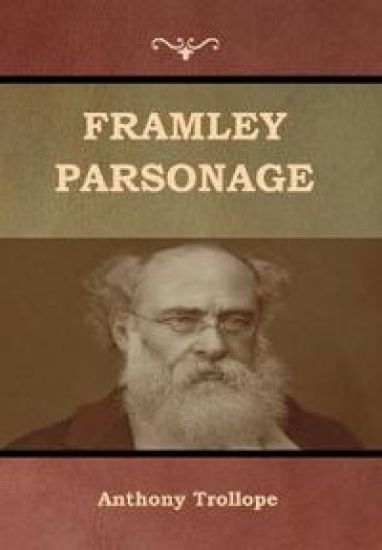
Anthony Trollope, (born April 24, 1815, London, Eng.--died Dec. 6, 1882, London), English novelist whose popular success concealed until long after his death the nature and extent of his literary merit. A series of books set in the imaginary English county of Barsetshire remains his best loved and most famous work, but he also wrote convincing novels of political life as well as studies that show great psychological penetration. One of his greatest strengths was a steady, consistent vision of the social structures of Victorian England, which he re-created in his books with unusual solidity. Trollope grew up as the son of a sometime scholar, barrister, and failed gentleman farmer. He was unhappy at the great public schools of Winchester and Harrow. Adolescent awkwardness continued until well into his 20s. The years 1834-41 he spent miserably as a junior clerk in the General Post Office, but he was then transferred as a postal surveyor to Ireland, where he began to enjoy a social life. In 1844 he married Rose Heseltine, an Englishwoman, and set up house at Clonmel, in Tipperary. He then embarked upon a literary career that leaves a dominant impression of immense energy and versatility. The Warden (1855) was his first novel of distinction, a penetrating study of the warden of an old people's home who is attacked for making too much profit from a charitable sinecure. During the next 12 years Trollope produced five other books set, like The Warden, in Barsetshire: Barchester Towers (1857), Doctor Thorne (1858), Framley Parsonage (1861), The Small House at Allington (1864), and The Last Chronicle of Barset (serially 1866-67; 1867). Barchester Towers is the funniest of the series; Doctor Thorne perhaps the best picture of a social system based on birth and the ownership of land; and The Last Chronicle, with its story of the sufferings of the scholarly Mr. Crawley, an underpaid curate of a poor parish, the most pathetic. The Barsetshire novels excel in memorable characters, and they exude the atmosphere of the cathedral community and of the landed aristocracy. (britannica.com)
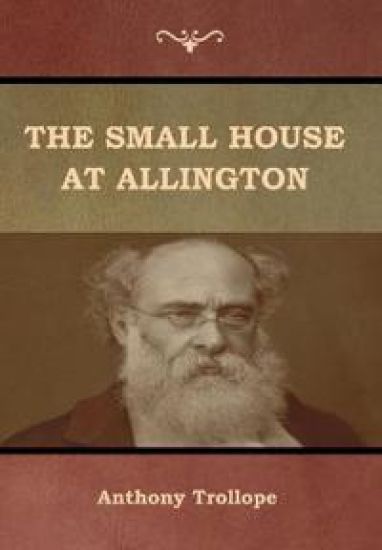
Anthony Trollope, (born April 24, 1815, London, Eng.--died Dec. 6, 1882, London), English novelist whose popular success concealed until long after his death the nature and extent of his literary merit. A series of books set in the imaginary English county of Barsetshire remains his best loved and most famous work, but he also wrote convincing novels of political life as well as studies that show great psychological penetration. One of his greatest strengths was a steady, consistent vision of the social structures of Victorian England, which he re-created in his books with unusual solidity. Trollope grew up as the son of a sometime scholar, barrister, and failed gentleman farmer. He was unhappy at the great public schools of Winchester and Harrow. Adolescent awkwardness continued until well into his 20s. The years 1834-41 he spent miserably as a junior clerk in the General Post Office, but he was then transferred as a postal surveyor to Ireland, where he began to enjoy a social life. In 1844 he married Rose Heseltine, an Englishwoman, and set up house at Clonmel, in Tipperary. He then embarked upon a literary career that leaves a dominant impression of immense energy and versatility. The Warden (1855) was his first novel of distinction, a penetrating study of the warden of an old people's home who is attacked for making too much profit from a charitable sinecure. During the next 12 years Trollope produced five other books set, like The Warden, in Barsetshire: Barchester Towers (1857), Doctor Thorne (1858), Framley Parsonage (1861), The Small House at Allington (1864), and The Last Chronicle of Barset (serially 1866-67; 1867). Barchester Towers is the funniest of the series; Doctor Thorne perhaps the best picture of a social system based on birth and the ownership of land; and The Last Chronicle, with its story of the sufferings of the scholarly Mr. Crawley, an underpaid curate of a poor parish, the most pathetic. The Barsetshire novels excel in memorable characters, and they exude the atmosphere of the cathedral community and of the landed aristocracy. (britannica.com)
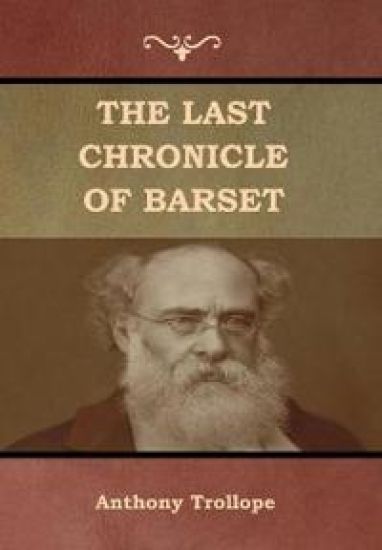
Anthony Trollope, (born April 24, 1815, London, Eng.--died Dec. 6, 1882, London), English novelist whose popular success concealed until long after his death the nature and extent of his literary merit. A series of books set in the imaginary English county of Barsetshire remains his best loved and most famous work, but he also wrote convincing novels of political life as well as studies that show great psychological penetration. One of his greatest strengths was a steady, consistent vision of the social structures of Victorian England, which he re-created in his books with unusual solidity. Trollope grew up as the son of a sometime scholar, barrister, and failed gentleman farmer. He was unhappy at the great public schools of Winchester and Harrow. Adolescent awkwardness continued until well into his 20s. The years 1834-41 he spent miserably as a junior clerk in the General Post Office, but he was then transferred as a postal surveyor to Ireland, where he began to enjoy a social life. In 1844 he married Rose Heseltine, an Englishwoman, and set up house at Clonmel, in Tipperary. He then embarked upon a literary career that leaves a dominant impression of immense energy and versatility. The Warden (1855) was his first novel of distinction, a penetrating study of the warden of an old people's home who is attacked for making too much profit from a charitable sinecure. During the next 12 years Trollope produced five other books set, like The Warden, in Barsetshire: Barchester Towers (1857), Doctor Thorne (1858), Framley Parsonage (1861), The Small House at Allington (1864), and The Last Chronicle of Barset (serially 1866-67; 1867). Barchester Towers is the funniest of the series; Doctor Thorne perhaps the best picture of a social system based on birth and the ownership of land; and The Last Chronicle, with its story of the sufferings of the scholarly Mr. Crawley, an underpaid curate of a poor parish, the most pathetic. The Barsetshire novels excel in memorable characters, and they exude the atmosphere of the cathedral community and of the landed aristocracy. (britannica.com)