Kirjojen hintavertailu – 12 859 819 kirjaa ja 27 kauppaa

Kirjailija

Anthony Trollope

Kirjat ja teokset yhdessä paikassa: 2 344 kirjaa, julkaisuja vuosilta 1974–2026, suosituimpiin kuuluu Autobiography Of Anthony Trollope. Vertaile teosten hintoja ja tarkista saatavuus suomalaisista kirjakaupoista.

2 344 kirjaa

Kirjojen julkaisuvuodet: 1974–2026.

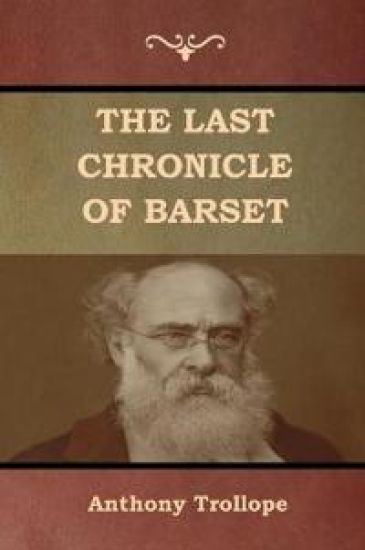
The Last Chronicle of Barset

The Last Chronicle of Barset

Anthony Trollope

Bibliotech Press
2019
pokkari
Anthony Trollope, (born April 24, 1815, London, Eng.--died Dec. 6, 1882, London), English novelist whose popular success concealed until long after his death the nature and extent of his literary merit. A series of books set in the imaginary English county of Barsetshire remains his best loved and most famous work, but he also wrote convincing novels of political life as well as studies that show great psychological penetration. One of his greatest strengths was a steady, consistent vision of the social structures of Victorian England, which he re-created in his books with unusual solidity. Trollope grew up as the son of a sometime scholar, barrister, and failed gentleman farmer. He was unhappy at the great public schools of Winchester and Harrow. Adolescent awkwardness continued until well into his 20s. The years 1834-41 he spent miserably as a junior clerk in the General Post Office, but he was then transferred as a postal surveyor to Ireland, where he began to enjoy a social life. In 1844 he married Rose Heseltine, an Englishwoman, and set up house at Clonmel, in Tipperary. He then embarked upon a literary career that leaves a dominant impression of immense energy and versatility. The Warden (1855) was his first novel of distinction, a penetrating study of the warden of an old people's home who is attacked for making too much profit from a charitable sinecure. During the next 12 years Trollope produced five other books set, like The Warden, in Barsetshire: Barchester Towers (1857), Doctor Thorne (1858), Framley Parsonage (1861), The Small House at Allington (1864), and The Last Chronicle of Barset (serially 1866-67; 1867). Barchester Towers is the funniest of the series; Doctor Thorne perhaps the best picture of a social system based on birth and the ownership of land; and The Last Chronicle, with its story of the sufferings of the scholarly Mr. Crawley, an underpaid curate of a poor parish, the most pathetic. The Barsetshire novels excel in memorable characters, and they exude the atmosphere of the cathedral community and of the landed aristocracy. (britannica.com)
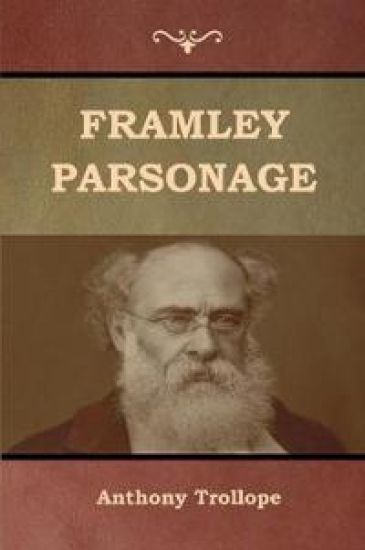
Framley Parsonage

Framley Parsonage

Anthony Trollope

Bibliotech Press
2019
pokkari
Anthony Trollope, (born April 24, 1815, London, Eng.--died Dec. 6, 1882, London), English novelist whose popular success concealed until long after his death the nature and extent of his literary merit. A series of books set in the imaginary English county of Barsetshire remains his best loved and most famous work, but he also wrote convincing novels of political life as well as studies that show great psychological penetration. One of his greatest strengths was a steady, consistent vision of the social structures of Victorian England, which he re-created in his books with unusual solidity. Trollope grew up as the son of a sometime scholar, barrister, and failed gentleman farmer. He was unhappy at the great public schools of Winchester and Harrow. Adolescent awkwardness continued until well into his 20s. The years 1834-41 he spent miserably as a junior clerk in the General Post Office, but he was then transferred as a postal surveyor to Ireland, where he began to enjoy a social life. In 1844 he married Rose Heseltine, an Englishwoman, and set up house at Clonmel, in Tipperary. He then embarked upon a literary career that leaves a dominant impression of immense energy and versatility. The Warden (1855) was his first novel of distinction, a penetrating study of the warden of an old people's home who is attacked for making too much profit from a charitable sinecure. During the next 12 years Trollope produced five other books set, like The Warden, in Barsetshire: Barchester Towers (1857), Doctor Thorne (1858), Framley Parsonage (1861), The Small House at Allington (1864), and The Last Chronicle of Barset (serially 1866-67; 1867). Barchester Towers is the funniest of the series; Doctor Thorne perhaps the best picture of a social system based on birth and the ownership of land; and The Last Chronicle, with its story of the sufferings of the scholarly Mr. Crawley, an underpaid curate of a poor parish, the most pathetic. The Barsetshire novels excel in memorable characters, and they exude the atmosphere of the cathedral community and of the landed aristocracy. (britannica.com)
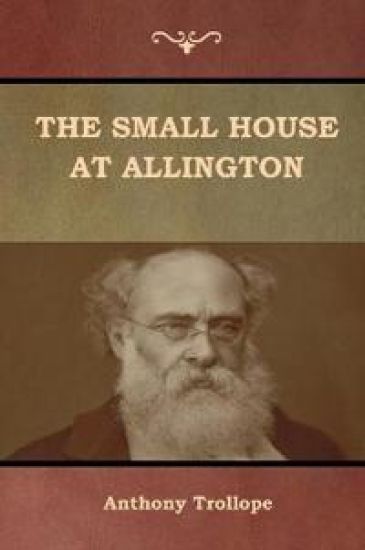
The Small House at Allington

The Small House at Allington

Anthony Trollope

Bibliotech Press
2019
pokkari
Anthony Trollope, (born April 24, 1815, London, Eng.--died Dec. 6, 1882, London), English novelist whose popular success concealed until long after his death the nature and extent of his literary merit. A series of books set in the imaginary English county of Barsetshire remains his best loved and most famous work, but he also wrote convincing novels of political life as well as studies that show great psychological penetration. One of his greatest strengths was a steady, consistent vision of the social structures of Victorian England, which he re-created in his books with unusual solidity. Trollope grew up as the son of a sometime scholar, barrister, and failed gentleman farmer. He was unhappy at the great public schools of Winchester and Harrow. Adolescent awkwardness continued until well into his 20s. The years 1834-41 he spent miserably as a junior clerk in the General Post Office, but he was then transferred as a postal surveyor to Ireland, where he began to enjoy a social life. In 1844 he married Rose Heseltine, an Englishwoman, and set up house at Clonmel, in Tipperary. He then embarked upon a literary career that leaves a dominant impression of immense energy and versatility. The Warden (1855) was his first novel of distinction, a penetrating study of the warden of an old people's home who is attacked for making too much profit from a charitable sinecure. During the next 12 years Trollope produced five other books set, like The Warden, in Barsetshire: Barchester Towers (1857), Doctor Thorne (1858), Framley Parsonage (1861), The Small House at Allington (1864), and The Last Chronicle of Barset (serially 1866-67; 1867). Barchester Towers is the funniest of the series; Doctor Thorne perhaps the best picture of a social system based on birth and the ownership of land; and The Last Chronicle, with its story of the sufferings of the scholarly Mr. Crawley, an underpaid curate of a poor parish, the most pathetic. The Barsetshire novels excel in memorable characters, and they exude the atmosphere of the cathedral community and of the landed aristocracy. (britannica.com)
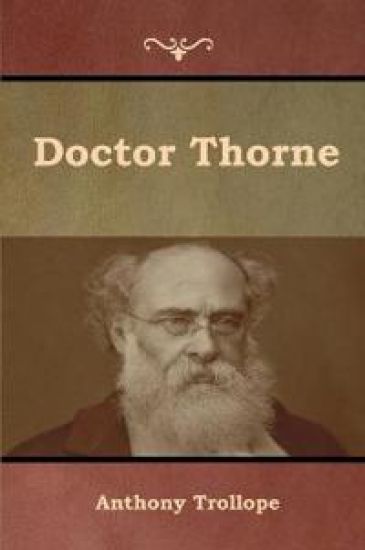
Doctor Thorne

Doctor Thorne

Anthony Trollope

Bibliotech Press
2019
pokkari
Anthony Trollope, (born April 24, 1815, London, Eng.--died Dec. 6, 1882, London), English novelist whose popular success concealed until long after his death the nature and extent of his literary merit. A series of books set in the imaginary English county of Barsetshire remains his best loved and most famous work, but he also wrote convincing novels of political life as well as studies that show great psychological penetration. One of his greatest strengths was a steady, consistent vision of the social structures of Victorian England, which he re-created in his books with unusual solidity. Trollope grew up as the son of a sometime scholar, barrister, and failed gentleman farmer. He was unhappy at the great public schools of Winchester and Harrow. Adolescent awkwardness continued until well into his 20s. The years 1834-41 he spent miserably as a junior clerk in the General Post Office, but he was then transferred as a postal surveyor to Ireland, where he began to enjoy a social life. In 1844 he married Rose Heseltine, an Englishwoman, and set up house at Clonmel, in Tipperary. He then embarked upon a literary career that leaves a dominant impression of immense energy and versatility. The Warden (1855) was his first novel of distinction, a penetrating study of the warden of an old people's home who is attacked for making too much profit from a charitable sinecure. During the next 12 years Trollope produced five other books set, like The Warden, in Barsetshire: Barchester Towers (1857), Doctor Thorne (1858), Framley Parsonage (1861), The Small House at Allington (1864), and The Last Chronicle of Barset (serially 1866-67; 1867). Barchester Towers is the funniest of the series; Doctor Thorne perhaps the best picture of a social system based on birth and the ownership of land; and The Last Chronicle, with its story of the sufferings of the scholarly Mr. Crawley, an underpaid curate of a poor parish, the most pathetic. The Barsetshire novels excel in memorable characters, and they exude the atmosphere of the cathedral community and of the landed aristocracy. (britannica.com)
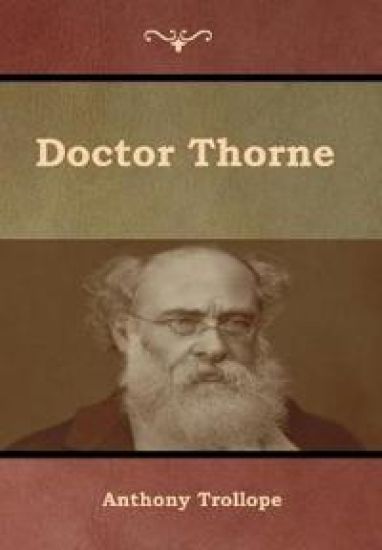
Doctor Thorne

Doctor Thorne

Anthony Trollope

Bibliotech Press
2019
sidottu
Anthony Trollope, (born April 24, 1815, London, Eng.--died Dec. 6, 1882, London), English novelist whose popular success concealed until long after his death the nature and extent of his literary merit. A series of books set in the imaginary English county of Barsetshire remains his best loved and most famous work, but he also wrote convincing novels of political life as well as studies that show great psychological penetration. One of his greatest strengths was a steady, consistent vision of the social structures of Victorian England, which he re-created in his books with unusual solidity. Trollope grew up as the son of a sometime scholar, barrister, and failed gentleman farmer. He was unhappy at the great public schools of Winchester and Harrow. Adolescent awkwardness continued until well into his 20s. The years 1834-41 he spent miserably as a junior clerk in the General Post Office, but he was then transferred as a postal surveyor to Ireland, where he began to enjoy a social life. In 1844 he married Rose Heseltine, an Englishwoman, and set up house at Clonmel, in Tipperary. He then embarked upon a literary career that leaves a dominant impression of immense energy and versatility. The Warden (1855) was his first novel of distinction, a penetrating study of the warden of an old people's home who is attacked for making too much profit from a charitable sinecure. During the next 12 years Trollope produced five other books set, like The Warden, in Barsetshire: Barchester Towers (1857), Doctor Thorne (1858), Framley Parsonage (1861), The Small House at Allington (1864), and The Last Chronicle of Barset (serially 1866-67; 1867). Barchester Towers is the funniest of the series; Doctor Thorne perhaps the best picture of a social system based on birth and the ownership of land; and The Last Chronicle, with its story of the sufferings of the scholarly Mr. Crawley, an underpaid curate of a poor parish, the most pathetic. The Barsetshire novels excel in memorable characters, and they exude the atmosphere of the cathedral community and of the landed aristocracy. (britannica.com)
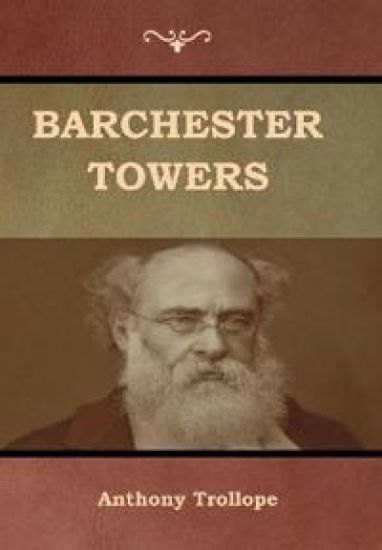
Barchester Towers

Barchester Towers

Anthony Trollope

Bibliotech Press
2019
sidottu
Anthony Trollope, (born April 24, 1815, London, Eng.--died Dec. 6, 1882, London), English novelist whose popular success concealed until long after his death the nature and extent of his literary merit. A series of books set in the imaginary English county of Barsetshire remains his best loved and most famous work, but he also wrote convincing novels of political life as well as studies that show great psychological penetration. One of his greatest strengths was a steady, consistent vision of the social structures of Victorian England, which he re-created in his books with unusual solidity. Trollope grew up as the son of a sometime scholar, barrister, and failed gentleman farmer. He was unhappy at the great public schools of Winchester and Harrow. Adolescent awkwardness continued until well into his 20s. The years 1834-41 he spent miserably as a junior clerk in the General Post Office, but he was then transferred as a postal surveyor to Ireland, where he began to enjoy a social life. In 1844 he married Rose Heseltine, an Englishwoman, and set up house at Clonmel, in Tipperary. He then embarked upon a literary career that leaves a dominant impression of immense energy and versatility. The Warden (1855) was his first novel of distinction, a penetrating study of the warden of an old people's home who is attacked for making too much profit from a charitable sinecure. During the next 12 years Trollope produced five other books set, like The Warden, in Barsetshire: Barchester Towers (1857), Doctor Thorne (1858), Framley Parsonage (1861), The Small House at Allington (1864), and The Last Chronicle of Barset (serially 1866-67; 1867). Barchester Towers is the funniest of the series; Doctor Thorne perhaps the best picture of a social system based on birth and the ownership of land; and The Last Chronicle, with its story of the sufferings of the scholarly Mr. Crawley, an underpaid curate of a poor parish, the most pathetic. The Barsetshire novels excel in memorable characters, and they exude the atmosphere of the cathedral community and of the landed aristocracy. (britannica.com)
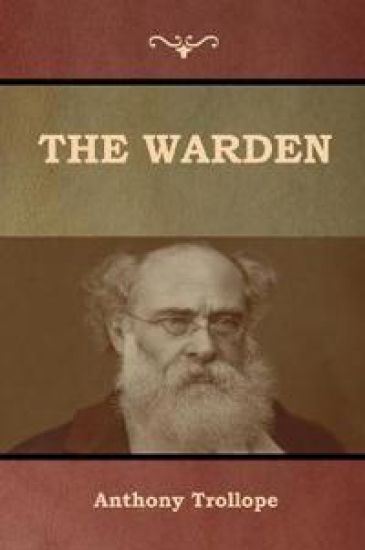
The Warden

The Warden

Anthony Trollope

Bibliotech Press
2019
pokkari
Anthony Trollope, (born April 24, 1815, London, Eng.--died Dec. 6, 1882, London), English novelist whose popular success concealed until long after his death the nature and extent of his literary merit. A series of books set in the imaginary English county of Barsetshire remains his best loved and most famous work, but he also wrote convincing novels of political life as well as studies that show great psychological penetration. One of his greatest strengths was a steady, consistent vision of the social structures of Victorian England, which he re-created in his books with unusual solidity. Trollope grew up as the son of a sometime scholar, barrister, and failed gentleman farmer. He was unhappy at the great public schools of Winchester and Harrow. Adolescent awkwardness continued until well into his 20s. The years 1834-41 he spent miserably as a junior clerk in the General Post Office, but he was then transferred as a postal surveyor to Ireland, where he began to enjoy a social life. In 1844 he married Rose Heseltine, an Englishwoman, and set up house at Clonmel, in Tipperary. He then embarked upon a literary career that leaves a dominant impression of immense energy and versatility. The Warden (1855) was his first novel of distinction, a penetrating study of the warden of an old people's home who is attacked for making too much profit from a charitable sinecure. During the next 12 years Trollope produced five other books set, like The Warden, in Barsetshire: Barchester Towers (1857), Doctor Thorne (1858), Framley Parsonage (1861), The Small House at Allington (1864), and The Last Chronicle of Barset (serially 1866-67; 1867). Barchester Towers is the funniest of the series; Doctor Thorne perhaps the best picture of a social system based on birth and the ownership of land; and The Last Chronicle, with its story of the sufferings of the scholarly Mr. Crawley, an underpaid curate of a poor parish, the most pathetic. The Barsetshire novels excel in memorable characters, and they exude the atmosphere of the cathedral community and of the landed aristocracy. (britannica.com)
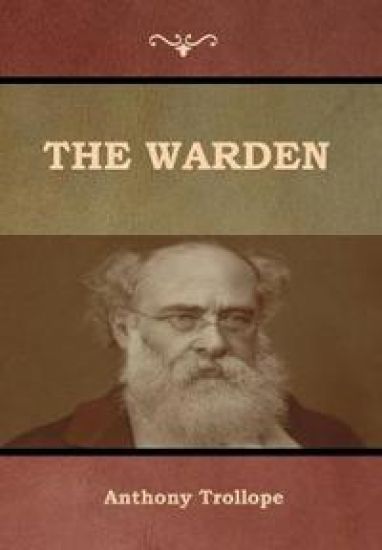
The Warden

The Warden

Anthony Trollope

Bibliotech Press
2019
sidottu
Anthony Trollope, (born April 24, 1815, London, Eng.--died Dec. 6, 1882, London), English novelist whose popular success concealed until long after his death the nature and extent of his literary merit. A series of books set in the imaginary English county of Barsetshire remains his best loved and most famous work, but he also wrote convincing novels of political life as well as studies that show great psychological penetration. One of his greatest strengths was a steady, consistent vision of the social structures of Victorian England, which he re-created in his books with unusual solidity. Trollope grew up as the son of a sometime scholar, barrister, and failed gentleman farmer. He was unhappy at the great public schools of Winchester and Harrow. Adolescent awkwardness continued until well into his 20s. The years 1834-41 he spent miserably as a junior clerk in the General Post Office, but he was then transferred as a postal surveyor to Ireland, where he began to enjoy a social life. In 1844 he married Rose Heseltine, an Englishwoman, and set up house at Clonmel, in Tipperary. He then embarked upon a literary career that leaves a dominant impression of immense energy and versatility. The Warden (1855) was his first novel of distinction, a penetrating study of the warden of an old people's home who is attacked for making too much profit from a charitable sinecure. During the next 12 years Trollope produced five other books set, like The Warden, in Barsetshire: Barchester Towers (1857), Doctor Thorne (1858), Framley Parsonage (1861), The Small House at Allington (1864), and The Last Chronicle of Barset (serially 1866-67; 1867). Barchester Towers is the funniest of the series; Doctor Thorne perhaps the best picture of a social system based on birth and the ownership of land; and The Last Chronicle, with its story of the sufferings of the scholarly Mr. Crawley, an underpaid curate of a poor parish, the most pathetic. The Barsetshire novels excel in memorable characters, and they exude the atmosphere of the cathedral community and of the landed aristocracy. (britannica.com)
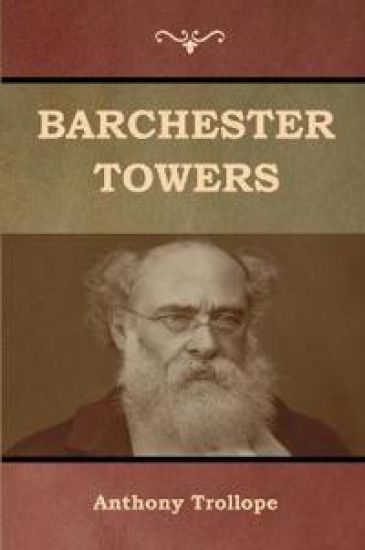
Barchester Towers

Barchester Towers

Anthony Trollope

Bibliotech Press
2019
pokkari
Anthony Trollope, (born April 24, 1815, London, Eng.--died Dec. 6, 1882, London), English novelist whose popular success concealed until long after his death the nature and extent of his literary merit. A series of books set in the imaginary English county of Barsetshire remains his best loved and most famous work, but he also wrote convincing novels of political life as well as studies that show great psychological penetration. One of his greatest strengths was a steady, consistent vision of the social structures of Victorian England, which he re-created in his books with unusual solidity. Trollope grew up as the son of a sometime scholar, barrister, and failed gentleman farmer. He was unhappy at the great public schools of Winchester and Harrow. Adolescent awkwardness continued until well into his 20s. The years 1834-41 he spent miserably as a junior clerk in the General Post Office, but he was then transferred as a postal surveyor to Ireland, where he began to enjoy a social life. In 1844 he married Rose Heseltine, an Englishwoman, and set up house at Clonmel, in Tipperary. He then embarked upon a literary career that leaves a dominant impression of immense energy and versatility. The Warden (1855) was his first novel of distinction, a penetrating study of the warden of an old people's home who is attacked for making too much profit from a charitable sinecure. During the next 12 years Trollope produced five other books set, like The Warden, in Barsetshire: Barchester Towers (1857), Doctor Thorne (1858), Framley Parsonage (1861), The Small House at Allington (1864), and The Last Chronicle of Barset (serially 1866-67; 1867). Barchester Towers is the funniest of the series; Doctor Thorne perhaps the best picture of a social system based on birth and the ownership of land; and The Last Chronicle, with its story of the sufferings of the scholarly Mr. Crawley, an underpaid curate of a poor parish, the most pathetic. The Barsetshire novels excel in memorable characters, and they exude the atmosphere of the cathedral community and of the landed aristocracy. (britannica.com)
The Claverings (Complete)

The Claverings (Complete)

Anthony Trollope

Lector House
2019
pokkari
This book is a result of an effort made by us towards making a contribution to the preservation and repair of original classic literature. In an attempt to preserve, improve and recreate the original content, we have worked towards: 1. Type-setting & Reformatting: The complete work has been re-designed via professional layout, formatting and type-setting tools to re-create the same edition with rich typography, graphics, high quality images, and table elements, giving our readers the feel of holding a 'fresh and newly' reprinted and/or revised edition, as opposed to other scanned & printed (Optical Character Recognition - OCR) reproductions. 2. Correction of imperfections: As the work was re-created from the scratch, therefore, it was vetted to rectify certain conventional norms with regard to typographical mistakes, hyphenations, punctuations, blurred images, missing content/pages, and/or other related subject matters, upon our consideration. Every attempt was made to rectify the imperfections related to omitted constructs in the original edition via other references. However, a few of such imperfections which could not be rectified due to intentional\unintentional omission of content in the original edition, were inherited and preserved from the original work to maintain the authenticity and construct, relevant to the work. We believe that this work holds historical, cultural and/or intellectual importance in the literary works community, therefore despite the oddities, we accounted the work for print as a part of our continuing effort towards preservation of literary work and our contribution towards the development of the society as a whole, driven by our beliefs. We are grateful to our readers for putting their faith in us and accepting our imperfections with regard to preservation of the historical content. HAPPY READING
The Fixed Period (Complete)

The Fixed Period (Complete)

Anthony Trollope

Lector House
2019
pokkari
This book is a result of an effort made by us towards making a contribution to the preservation and repair of original classic literature. In an attempt to preserve, improve and recreate the original content, we have worked towards: 1. Type-setting & Reformatting: The complete work has been re-designed via professional layout, formatting and type-setting tools to re-create the same edition with rich typography, graphics, high quality images, and table elements, giving our readers the feel of holding a 'fresh and newly' reprinted and/or revised edition, as opposed to other scanned & printed (Optical Character Recognition - OCR) reproductions. 2. Correction of imperfections: As the work was re-created from the scratch, therefore, it was vetted to rectify certain conventional norms with regard to typographical mistakes, hyphenations, punctuations, blurred images, missing content/pages, and/or other related subject matters, upon our consideration. Every attempt was made to rectify the imperfections related to omitted constructs in the original edition via other references. However, a few of such imperfections which could not be rectified due to intentional\unintentional omission of content in the original edition, were inherited and preserved from the original work to maintain the authenticity and construct, relevant to the work. We believe that this work holds historical, cultural and/or intellectual importance in the literary works community, therefore despite the oddities, we accounted the work for print as a part of our continuing effort towards preservation of literary work and our contribution towards the development of the society as a whole, driven by our beliefs. We are grateful to our readers for putting their faith in us and accepting our imperfections with regard to preservation of the historical content. HAPPY READING
The Last Chronicle Of Barset (Volume II)

The Last Chronicle Of Barset (Volume II)

Anthony Trollope

Lector House
2019
pokkari
This book is a result of an effort made by us towards making a contribution to the preservation and repair of original classic literature. In an attempt to preserve, improve and recreate the original content, we have worked towards: 1. Type-setting & Reformatting: The complete work has been re-designed via professional layout, formatting and type-setting tools to re-create the same edition with rich typography, graphics, high quality images, and table elements, giving our readers the feel of holding a 'fresh and newly' reprinted and/or revised edition, as opposed to other scanned & printed (Optical Character Recognition - OCR) reproductions. 2. Correction of imperfections: As the work was re-created from the scratch, therefore, it was vetted to rectify certain conventional norms with regard to typographical mistakes, hyphenations, punctuations, blurred images, missing content/pages, and/or other related subject matters, upon our consideration. Every attempt was made to rectify the imperfections related to omitted constructs in the original edition via other references. However, a few of such imperfections which could not be rectified due to intentional\unintentional omission of content in the original edition, were inherited and preserved from the original work to maintain the authenticity and construct, relevant to the work. We believe that this work holds historical, cultural and/or intellectual importance in the literary works community, therefore despite the oddities, we accounted the work for print as a part of our continuing effort towards preservation of literary work and our contribution towards the development of the society as a whole, driven by our beliefs. We are grateful to our readers for putting their faith in us and accepting our imperfections with regard to preservation of the historical content. HAPPY READING
The Last Chronicle Of Barset (Volume I)

The Last Chronicle Of Barset (Volume I)

Anthony Trollope

Lector House
2019
pokkari
This book is a result of an effort made by us towards making a contribution to the preservation and repair of original classic literature. In an attempt to preserve, improve and recreate the original content, we have worked towards: 1. Type-setting & Reformatting: The complete work has been re-designed via professional layout, formatting and type-setting tools to re-create the same edition with rich typography, graphics, high quality images, and table elements, giving our readers the feel of holding a 'fresh and newly' reprinted and/or revised edition, as opposed to other scanned & printed (Optical Character Recognition - OCR) reproductions. 2. Correction of imperfections: As the work was re-created from the scratch, therefore, it was vetted to rectify certain conventional norms with regard to typographical mistakes, hyphenations, punctuations, blurred images, missing content/pages, and/or other related subject matters, upon our consideration. Every attempt was made to rectify the imperfections related to omitted constructs in the original edition via other references. However, a few of such imperfections which could not be rectified due to intentional\unintentional omission of content in the original edition, were inherited and preserved from the original work to maintain the authenticity and construct, relevant to the work. We believe that this work holds historical, cultural and/or intellectual importance in the literary works community, therefore despite the oddities, we accounted the work for print as a part of our continuing effort towards preservation of literary work and our contribution towards the development of the society as a whole, driven by our beliefs. We are grateful to our readers for putting their faith in us and accepting our imperfections with regard to preservation of the historical content. HAPPY READING