Kirjailija
Antonio Gramsci
Kirjat ja teokset yhdessä paikassa: 80 kirjaa, julkaisuja vuosilta 1987–2026, suosituimpiin kuuluu Fronesis 1. Demokratisk ekonomi. Vertaile teosten hintoja ja tarkista saatavuus suomalaisista kirjakaupoista.
80 kirjaa
Kirjojen julkaisuvuodet: 1987–2026.
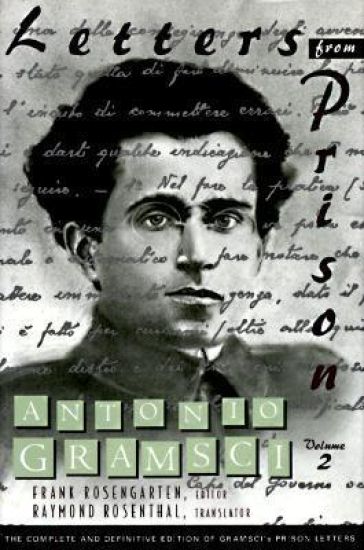
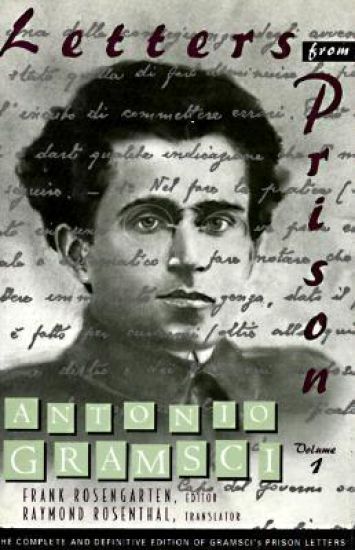
Antonio Gramsci (1891-1937) was one of the most original political thinkers in Western Marxism and an exceptional intellectual. Arrested and imprisoned by the Italian Fascist regime in 1926, Gramsci died before fully regaining his freedom, yet he wrote extensive letters while incarcerated, rich with insight into the physical and psychological tortures of prison. In meticulous detail, Gramsci records how political prisoners, himself included, contend with the fear of illness and death and the rules and regulations that threaten to efface their individuality. Forming an incomparable link between Gramsci's intellectual passion and his emotional vulnerability, Letters from Prison shows a man reconstructing his life while being separated from it, struggling to recapture the primary relationships that once defined his identity. Frank Rosengarten divides more than four hundred Gramsci letters into two companion volumes, complete with a chronology of the thinker's crucial life experiences, biographical notes on his correspondents, and a bibliography of works cited in his letters.
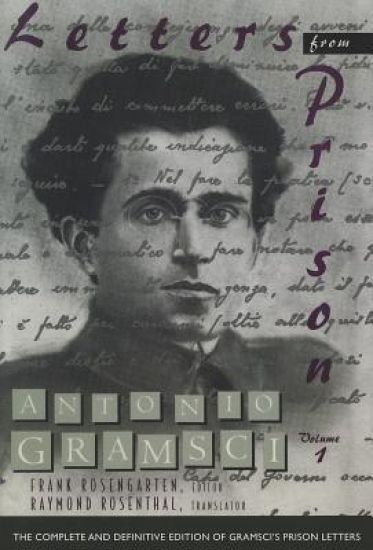
Antonio Gramsci (1891-1937) was one of the most original political thinkers in Western Marxism and an exceptional intellectual. Arrested and imprisoned by the Italian Fascist regime in 1926, Gramsci died before fully regaining his freedom, yet he wrote extensive letters while incarcerated, rich with insight into the physical and psychological tortures of prison. In meticulous detail, Gramsci records how political prisoners, himself included, contend with the fear of illness and death and the rules and regulations that threaten to efface their individuality. Forming an incomparable link between Gramsci's intellectual passion and his emotional vulnerability, Letters from Prison shows a man reconstructing his life while being separated from it, struggling to recapture the primary relationships that once defined his identity. Frank Rosengarten divides more than four hundred Gramsci letters into two companion volumes, complete with a chronology of the thinker's crucial life experiences, an introduction that sheds light on the main experiences and themes in the letters, biographical notes on his correspondents, and a bibliography of works cited in his letters.
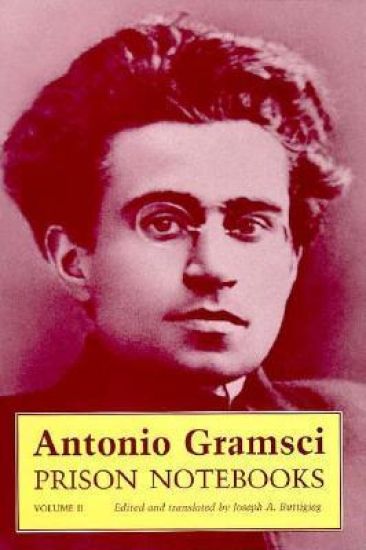
Antonio Gramsci (1891-1937) is widely celebrated as the most original political thinker in Western Marxism and an all-around outstanding intellectual figure. Arrested and imprisoned by the Italian Fascist regime in 1926, Gramsci died before fully regaining his freedom. Nevertheless, in his prison notebooks, he recorded thousands of brilliant reflections on an extraordinary range of subjects, establishing an enduring intellectual legacy. Columbia University Press's multivolume Prison Notebooks is the only complete critical edition of Antonio Gramsci's seminal writings in English. The notebooks' integral text gives readers direct access not only to Gramsci's influential ideas but also to the intellectual workshop where those ideas were forged. Extensive notes guide readers through Gramsci's extraordinary series of reflections on an encyclopedic range of topics. Volume 2 contains Gramsci's notebooks 3, 4, and 5, written between 1930 and 1932. Their central themes are popular culture, Italian history, Americanism, and the Catholic Church as a religious institution and formidable politico-ideological force. Gramsci also touches on the Renaissance and Reformation, language and linguistics, military and diplomatic history, and Japanese and Chinese culture. Notebook 4 features an innovative reading of canto 10 from Dante's Inferno and a philosophical analysis of materialism and idealism. It also includes the first draft of Gramsci's famous observations on the history and role of intellectuals in society.
Antonio Gramsci (1891-1937) is widely celebrated as the most original political thinker in Western Marxism and an all-around outstanding intellectual figure. Arrested and imprisoned by the Italian Fascist regime in 1926, Gramsci died before fully regaining his freedom. Nevertheless, in his prison notebooks, he recorded thousands of brilliant reflections on an extraordinary range of subjects, establishing an enduring intellectual legacy. Columbia University Press's multivolume Prison Notebooks is the only complete critical edition of Antonio Gramsci's seminal writings in English. The notebooks' integral text gives readers direct access not only to Gramsci's influential ideas but also to the intellectual workshop where those ideas were forged. Extensive notes guide readers through Gramsci's extraordinary series of reflections on an encyclopedic range of topics. Volume 1 opens with an introduction to Gramsci's project, describing the circumstances surrounding the composition of his notebooks and examining his method of inquiry and critical analysis. It is accompanied by a detailed chronology of the author's life. An unparalleled translation of notebooks 1 and 2 follows, which laid the foundations for Gramsci's later writings. Most intriguing are his earliest formulations of the concepts of hegemony, civil society, and passive revolution.
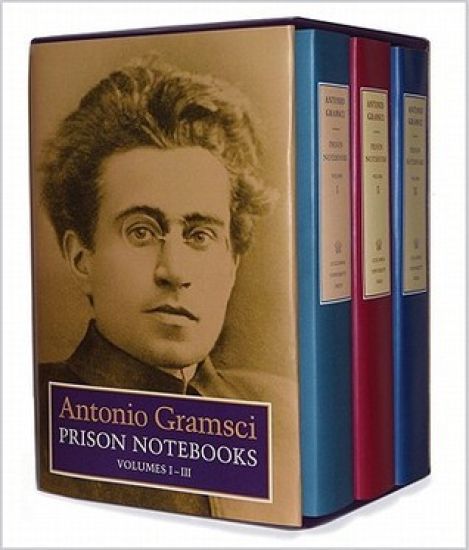
Columbia University Press's multivolume Prison Notebooks is the only complete critical edition of Antonio Gramsci's seminal writings in English. Based on the authoritative Italian edition of Gramsci's work, Quaderni del Carcere, this comprehensive translation presents the intellectual as he ought to be read and understood, with critical notes that clarify Gramsci's history, culture, and sources; an index of names; and a contextualization of the thinker's ideas against his earlier writings and letters. This set includes notebooks 1 through 8 with all attendant notes and materials and is an indispensible resource for scholars in the humanities and social sciences.
Introducción a la Filosofía de la Praxis: Traducción, Introducción Y Notas de Jordi Solé Tura
Antonio Gramsci
Editorial Doble J, S.L.
2008
nidottu
"Introducci n, traducci n y notas de Jordi Sol Tura"" ...] Despu s de haber demostrado que todos son fil sofos, aunque sea a su manera, inconscientemente, porque en la m s m nima manifestaci n de una actividad intelectual cualquiera, el lenguaje, se contiene ya una determinada concepci n del mundo, se pasa al segundo momento, al momento de la cr tica y de la conciencia, es decir, a la cuesti n de si es preferible pensar sin tener conciencia cr tica de ello, de modo disgregado y ocasional, esto es, participar en una concepci n del mundo impuesta mec nicamente por el ambiente exterior y, por tanto, por uno de los grupos sociales en que todos nos vemos autom ticamente inmersos ...], o es preferible elaborar la propia concepci n del mundo consciente y cr ticamente y, en conexi n con esta labor del propio cerebro, elegir la propia esfera de actividad, participar activamente en la producci n de la historia del mundo, ser gu a de uno mismo y no aceptar pasiva y supinamente que nuestra personalidad sea formada desde fuera.""Esta antolog a incluye los principales textos filos ficos de Antonio Gramsci, concretamente aquellos en donde expone su historicismo. Como afirma el traductor y compilador de la obra, Jordi Sol Tura, son textos que en su d a suministraron la base de la cr tica de Althusser al historicismo marxista y por esa v a han influido decisivamente en la formaci n del pensamiento postmoderno. Son, por tanto, ideas de plena actualidad, imprescindibles para cualquier reflexi n contempor nea sobre filosof a, historia y pol tica."
The Modern Prince and Other Writings
Antonio Gramsci
Frederick Ellis
2007
sidottu
Halvin toimitettuna 54,40 €
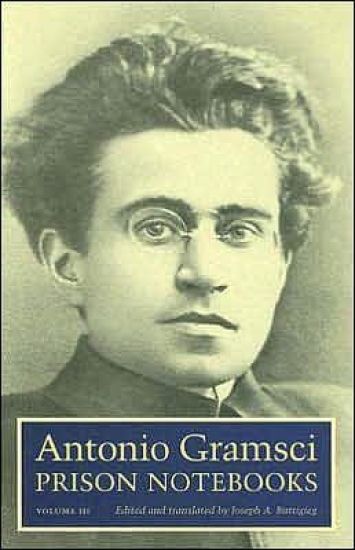
Antonio Gramsci (1891-1937) is widely celebrated as the most original political thinker in Western Marxism and an all-around outstanding intellectual figure. Arrested and imprisoned by the Italian Fascist regime in 1926, Gramsci died before fully regaining his freedom. Nevertheless, in his prison notebooks, he recorded thousands of brilliant reflections on an extraordinary range of subjects, establishing an enduring intellectual legacy. Columbia University Press's multivolume Prison Notebooks is the only complete critical edition of Antonio Gramsci's seminal writings in English. The notebooks' integral text gives readers direct access not only to Gramsci's influential ideas but also to the intellectual workshop where those ideas were forged. Extensive notes guide readers through Gramsci's extraordinary series of reflections on an encyclopedic range of topics. Volume 3 contains notebooks 6, 7, and 8, in which Gramsci develops his concepts of hegemony, civil society, and the state; reflects extensively on the Renaissance, the Reformation, and Machiavelli's political philosophy; and offers a trenchant critique of the cultural and political practices of fascism. A detailed analysis of positivism and idealism brings Gramsci's philosophy of praxis and conception of historical materialism into sharp relief. Also included are the author's extensive observations on articles and books read during his imprisonment.
Antonio Gramsci's The Southern Question remains as provocative today as it was when it was written. During ten years of political imprisonment under Mussolini's Fascist government, Gramsci produced The Prison Notebooks, a continued meditation on subjects and relationships first proposed within the pages of this essay. The purpose in re-introducing the essay is to emphasize how Gramsci's analysis of social stratification of Northern and Southern Italy in 1926 is relevant to current discussions about state formation, diasporas, and strategic alliances.
A selection of Gramsci's writings in one volume including his most important political, cultural and historical work. The collection focuses on key concepts - such as hegemony, passive revolution, civil society, common sense - and important texts on Americanism and Fordism, and popular culture.
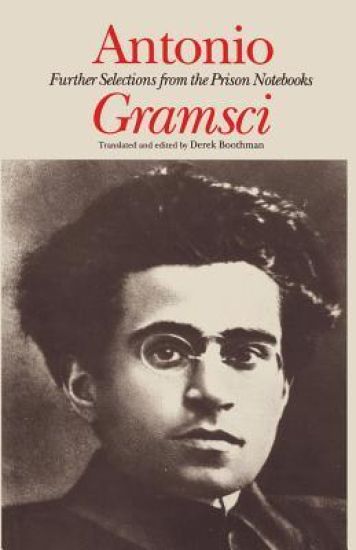
This volume was the first selection published from the Antonio Gramsci's "Prison Nobebooks" to be made available in Britain, and was originally published in the early 1970s. It contains most of the key writings by Gramsci, including the text of "The Modern Prince".
Antonio Gramsci is one of the great European Marxists, hailed by Eric Hobsbawm as 'an extraordinary philosopher ... probably the most original communist thinker of twentieth-century Europe'. Gramsci developed Marx's ideas with an emphasis on culture rather than economics. This classic work reveals his thinking through letters to friends and family written whilst he was in prison. His primary contribution has been in his insistence on an understanding of popular culture in the battle to create a revolutionary consciousness. It is this humanitarian aspect of his thinking that illuminates the vivid personal testimony of his prison letters, written between 1926 and 1937.
Antonio Gramsci (1891-1937) is widely celebrated as the most original political thinker in Western Marxism and an all-around outstanding intellectual figure. Arrested and imprisoned by the Italian Fascist regime in 1926, Gramsci died before fully regaining his freedom. Nevertheless, in his prison notebooks, he recorded thousands of brilliant reflections on an extraordinary range of subjects, establishing an enduring intellectual legacy. Columbia University Press's multivolume Prison Notebooks is the only complete critical edition of Antonio Gramsci's seminal writings in English. The notebooks' integral text gives readers direct access not only to Gramsci's influential ideas but also to the intellectual workshop where those ideas were forged. Extensive notes guide readers through Gramsci's extraordinary series of reflections on an encyclopedic range of topics. Volume 2 contains Gramsci's notebooks 3, 4, and 5, written between 1930 and 1932. Their central themes are popular culture, Italian history, Americanism, and the Catholic Church as a religious institution and formidable politico-ideological force. Gramsci also touches on the Renaissance and Reformation, language and linguistics, military and diplomatic history, and Japanese and Chinese culture. Notebook 4 features an innovative reading of canto 10 from Dante's Inferno and a philosophical analysis of materialism and idealism. It also includes the first draft of Gramsci's famous observations on the history and role of intellectuals in society.
Brings together Gramsci's writings on religion, education, science, philosophy and economic theory. The theme that links these writings is the investigation of ideology at its different levels, and the structures which embody and reproduce it.
Antonio Gramsci (1891-1937) was one of the most original political thinkers in Western Marxism and an exceptional intellectual. Arrested and imprisoned by the Italian Fascist regime in 1926, Gramsci died before fully regaining his freedom, yet he wrote extensive letters while incarcerated, rich with insight into the physical and psychological tortures of prison. In meticulous detail, Gramsci records how political prisoners, himself included, contend with the fear of illness and death and the rules and regulations that threaten to efface their individuality. Forming an incomparable link between Gramsci's intellectual passion and his emotional vulnerability, Letters from Prison shows a man reconstructing his life while being separated from it, struggling to recapture the primary relationships that once defined his identity. Frank Rosengarten divides more than four hundred Gramsci letters into two companion volumes, complete with a chronology of the thinker's crucial life experiences, biographical notes on his correspondents, and a bibliography of works cited in his letters.
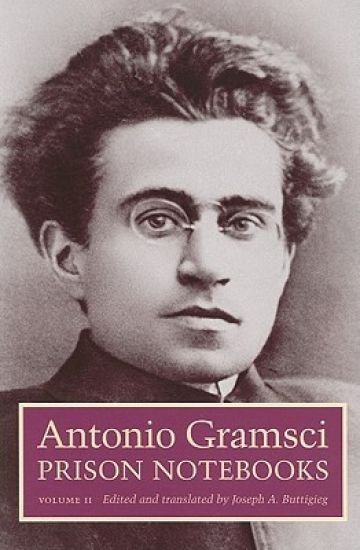
Antonio Gramsci (1891-1937) was one of the most original political thinkers in Western Marxism and an exceptional intellectual. Arrested and imprisoned by the Italian Fascist regime in 1926, Gramsci died before fully regaining his freedom, yet he wrote extensive letters while incarcerated, rich with insight into the physical and psychological tortures of prison. In meticulous detail, Gramsci records how political prisoners, himself included, contend with the fear of illness and death and the rules and regulations that threaten to efface their individuality. Forming an incomparable link between Gramsci's intellectual passion and his emotional vulnerability, Letters from Prison shows a man reconstructing his life while being separated from it, struggling to recapture the primary relationships that once defined his identity. Frank Rosengarten divides more than four hundred Gramsci letters into two companion volumes, complete with a chronology of the thinker's crucial life experiences, an introduction that sheds light on the main experiences and themes in the letters, biographical notes on his correspondents, and a bibliography of works cited in his letters.
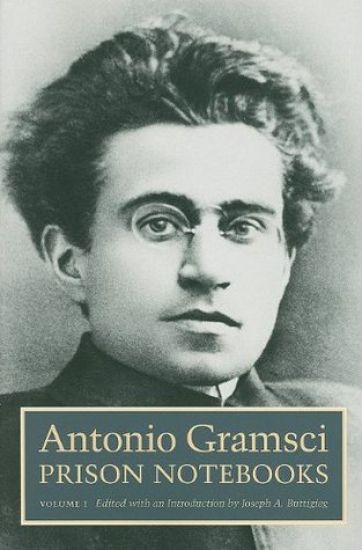
This 1994 collection of Gramsci's pre-prison writings, translated and including a number of pieces not previously available in English, covers the whole gamut of his journalistic activity, ranging from general cultural criticism to commentaries on local, national and international events. These early articles reveal the genesis of many of the themes of the Prison Notebooks, such as the function of intellectuals, the importance of cultural hegemony in holding societies together, and the role of the party in organising a revolutionary consciousness. In particular, the collection highlights the specifically Italian political, cultural and social origins and relevance of much of Gramsci's innovatory reworking of certain central concepts of Marxist thought. It will be of interest to a broad range of scholars and students concerned with the history of political, social and cultural thought in the twentieth century.
Antonio Gramsci (1891-1937) is widely celebrated as the most original political thinker in Western Marxism and an all-around outstanding intellectual figure. Arrested and imprisoned by the Italian Fascist regime in 1926, Gramsci died before fully regaining his freedom. Nevertheless, in his prison notebooks, he recorded thousands of brilliant reflections on an extraordinary range of subjects, establishing an enduring intellectual legacy. Columbia University Press's multivolume Prison Notebooks is the only complete critical edition of Antonio Gramsci's seminal writings in English. The notebooks' integral text gives readers direct access not only to Gramsci's influential ideas but also to the intellectual workshop where those ideas were forged. Extensive notes guide readers through Gramsci's extraordinary series of reflections on an encyclopedic range of topics. Volume 1 opens with an introduction to Gramsci's project, describing the circumstances surrounding the composition of his notebooks and examining his method of inquiry and critical analysis. It is accompanied by a detailed chronology of the author's life. An unparalleled translation of notebooks 1 and 2 follows, which laid the foundations for Gramsci's later writings. Most intriguing are his earliest formulations of the concepts of hegemony, civil society, and passive revolution.
Selections from Political Writings
Antonio Gramsci
LawrenceWishart Ltd
1987
pokkari
Halvin toimitettuna 40,40 €
A comprehensive selection of Antonio Gramsci's most important works.