Kirjailija
Arthur Koestler
Kirjat ja teokset yhdessä paikassa: 44 kirjaa, julkaisuja vuosilta 1968–2025, suosituimpiin kuuluu Darkness at Noon. Vertaile teosten hintoja ja tarkista saatavuus suomalaisista kirjakaupoista.
44 kirjaa
Kirjojen julkaisuvuodet: 1968–2025.
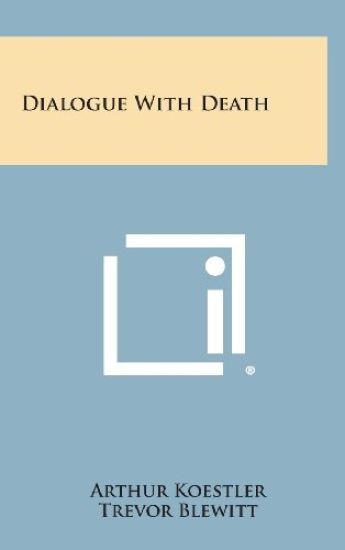
Dialogue With Death is a non-fiction book written by Arthur Koestler, first published in 1942. The book is a personal account of Koestler's imprisonment in Spain during the Spanish Civil War. The author was arrested by Franco's forces and imprisoned in a jail in Seville. He was then transferred to a prison in Malaga, where he was sentenced to death. The book chronicles Koestler's experiences in prison, his interactions with his fellow prisoners, and his conversations with the prison doctor, who was also a former executioner. Throughout the book, Koestler reflects on the nature of death, morality, and the human condition. He explores the psychological impact of imprisonment and the fear of death, as well as the political and social factors that led to the Spanish Civil War. The book is a powerful and moving account of one man's struggle to come to terms with his own mortality and the horrors of war. Dialogue With Death is considered a classic of 20th-century literature and is widely regarded as one of the best books about the Spanish Civil War. It has been translated into numerous languages and has inspired many other writers and artists. The book is a testament to the resilience of the human spirit and a powerful reminder of the importance of freedom and justice. This is a new release of the original 1942 edition. This scarce antiquarian book is a facsimile reprint of the old original and may contain some imperfections such as library marks and notations. Because we believe this work is culturally important, we have made it available as part of our commitment for protecting, preserving, and promoting the world's literature in affordable, high quality, modern editions, that are true to their original work.
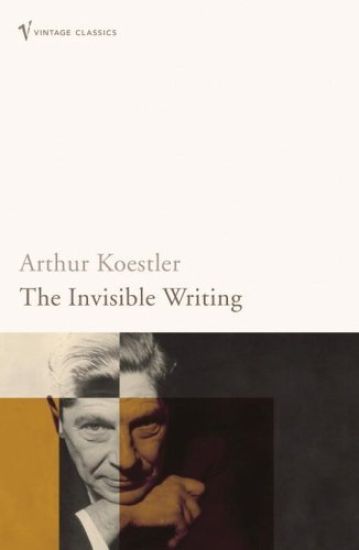
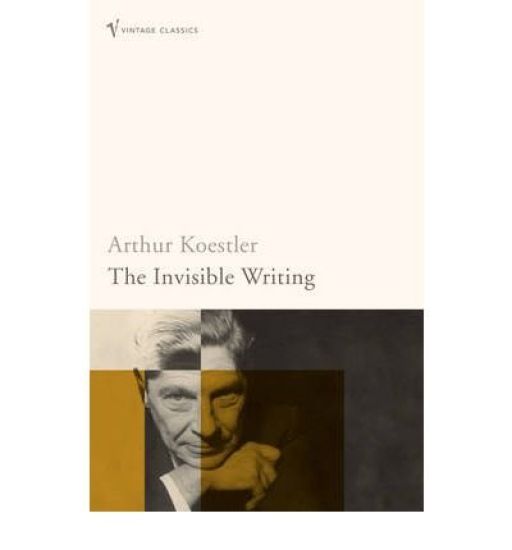
The second volume of the remarkable autobiography of Arthur Koestler, author of Darkness at Noon. Taken together, Arthur Koestler's volumes of autobiography constitute an unrivalled study of a twentieth-century life.
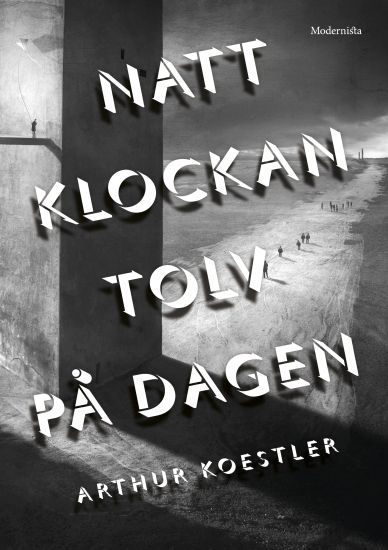
»Ett antitotalitärt mästerverk.« | Per T. Ohlsson, Sydsvenskan»En grym, fängslande skildring av den ryska revolutionens logik ett intensivt och subtilt intellektuellt drama.« | The Times Literary SupplementFängslad på falska grunder med dödsdomen över sig, minns Rubasjov hur han själv skickat människor till bödlarna, övertygad om att det politiska målet helgar alla medel. I celler intill honom finns forna fiender såväl som vänner och vänners släktingar. En efter en skickas de att torteras eller avrättas. Med papper och penna försöker Rubasjov få ihop det akuta dilemmat med sin politiska övertygelse och sina tidigare handlingar. Till sist skriver han under ett absurt erkännande och möter sitt öde. När Arthur Koestler skrev Natt klockan tolv på dagen [1940] låg stora delar av Europa under totalitära regimers stövelhälar. Som få författare i väst hade han insikt i vad som hände i Stalins Sovjet. Ofta jämförd med Solzjenitsyn och Orwell räknas Natt klockan tolv på dagen till de viktigaste politiska romaner som över huvud taget skrivits. I översättning av Tore Zetterholm och försedd med nyskrivet förord av Göran Rosenberg. ARTHUR KOESTLER [1905 1983] var en brittisk författare med ungersk-judiska rötter. Natt klockan tolv på dagen skrevs på tyska i Paris med titeln Sonnenfinsternis [1940], ett manus som gick förlorat vid hans flykt undan nazisterna. Hans partner, skulptören Daphne Hardys engelska översättning Darkness at Noon [1941] kom att bli en världsklassiker. Romanen behandlar Moskvarättegångarna 1936 1938 och är genom Koestlers förstahandserfarenhet från resor i Sovjet en av de mest inflytelserika skildringarna av Stalintiden.
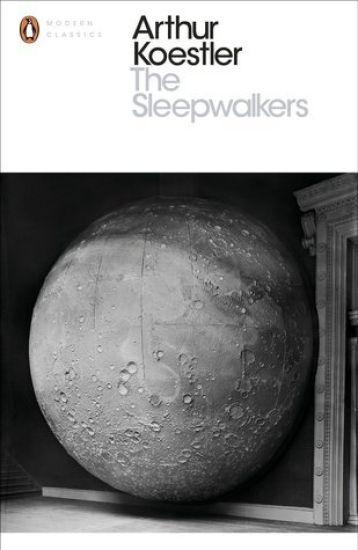
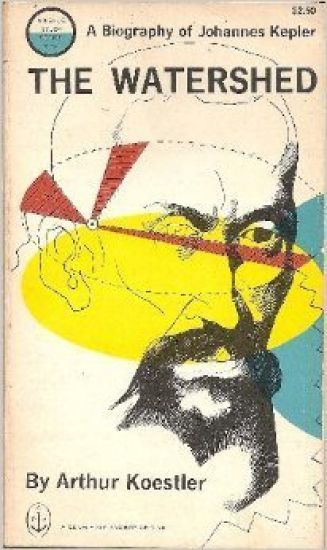
Arthur Koestler's extraordinary history of humanity's changing vision of the universeIn this masterly synthesis, Arthur Koestler cuts through the sterile distinction between 'sciences' and 'humanities' to bring to life the whole history of cosmology from the Babylonians to Newton. He shows how the tragic split between science and religion arose and how, in particular, the modern world-view replaced the medieval world-view in the scientific revolution of the seventeenth century. He also provides vivid and judicious pen-portraits of a string of great scientists and makes clear the role that political bias and unconscious prejudice played in their creativity.
»En grym, fängslande skildring av den ryska revolutionenslogik ett intensivt och subtilt intellektuellt drama.«THE TIMES LITERARY SUPPLEMENT»Ett antitotalitärt mästerverk.«PER T. OHLSSON, SYDSVENSKAN Fängslad på falska grunder, dömd till döden, minns Rubasjov hur han själv angivit människor som sedan försvunnit. I celler intill honom finns forna fiender såväl som vänner och vänners släktingar. Med papper och penna försöker Rubasjov få ihop det akuta dilemmat med sin politiska övertygelse och sina tidigare handlingar. Till sist skriver han under en absurd bekännelse och möter sitt öde. När Arthur Koestler skrev Natt klockan tolv på dagen [1940] låg stora delar av Europa under totalitära regimers stövelhälar. Ofta jämförd med Solzjenitsyn och Orwell räknas Natt klockan tolv på dagen till de viktigaste politiska romaner som skrivits. I översättning av Tore Zetterholm och med ett nyskrivet förord av Göran Rosenberg. ARTHUR KOESTLER [19051983] var en brittisk författare med ungersk-judiska rötter. Natt klockan tolv på dagen skrevs på tyska i Paris med titeln Sonnenfinsternis [1940], ett manus som gick förlorat vid hans flykt undan nazisterna. Hans partner, skulptören Daphne Hardys engelska översättning Darkness at Noon [1941] kom att bli en världsklassiker. Romanen behandlar Moskvarättegångarna 19361938 och är genom Koestlers förstahandserfarenhet från resor i Sovjet en av de mest inflytelserika skildringarna av Stalintiden.


Dialogue With Death
Arthur Koestler; Trevor (TRN) Blewitt; Phyllis (TRN) Blewitt
Kessinger Pub
2008
sidottu
Promise And Fulfilment - Palestine 1917-1949
Arthur Koestler
Read Books
2007
pokkari
Halvin toimitettuna 35,70 €
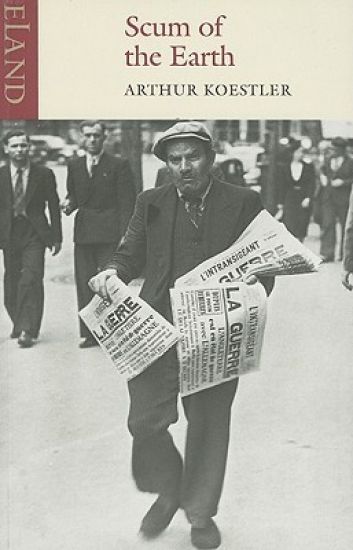
The story of Koestler's imprisonment in France in 1940, his escape and his extraordinary and adventurous journey to the safety of London, which unfolds like some travel nightmare by Kafka. The 'scum of the earth' are those heroic individuals, like Koestler himself, who had fought the tide of fascism and come to live in liberal France under the mistaken impression that they would be safe.

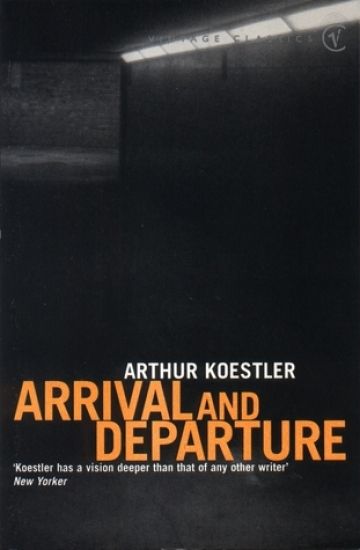
This was the third novel of Arthur Koestler's trilogy on ends and means - the other two are THE GLADIATORS and DARKNESS AT NOON - and the first he wrote in English. The central theme is the conflict between morality and expediency, and in this novel Koestler worked it out in terms of individual psychology.