Kirjojen hintavertailu – 12 859 826 kirjaa ja 27 kauppaa

Kirjailija

Arthur Schnitzler

Kirjat ja teokset yhdessä paikassa: 489 kirjaa, julkaisuja vuosilta 1964–2026, suosituimpiin kuuluu Die Klassiker Hörbibliothek. Vertaile teosten hintoja ja tarkista saatavuus suomalaisista kirjakaupoista.

489 kirjaa

Kirjojen julkaisuvuodet: 1964–2026.

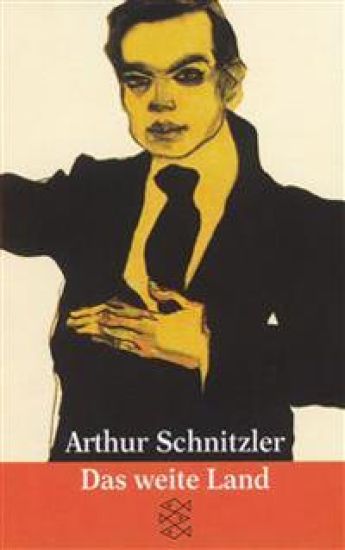
Das weite Land

Das weite Land

Arthur Schnitzler

S. Fischer Verlag
1993
pokkari
Als Tragikomödie, Pantomime und Komödie faßt Arthur Schnitzler die drei Stücke dieses Bandes. Friedrich Hofreiter in :Das weite Land9 ist ein Täter, aber kein Mörder, ein fast zwanghafter Spieler, immer bereit, sich von außen verführen zu lassen; ohne Glauben an sich und die Menschheit, muß er zerstören, weil er nicht lieben kann. So kommt es zur Katastrophe - willkürlich, sinnlos, ausgelöst durch die Person des Protagonisten. Obgleich er agiert, bleibt er im tieferen Sinne unfrei, getrieben, weil ohne Halt, ohne Ethik. Während Friedrich Hofreiter den Untergang beschwört, bricht - wie in :Der Schleier der Pierrette9 - in :Professor Bernhard9 das Unheil von außen herein. Aber selbst dort, wo Antisemitismus und Neid den jüdischen Arzt in die Enge zwingen, erhält dieser sich die innere Freiheit des Denkens und Handelns, begründet in einer Haltung konsequenter Toleranz, die ihm gebietet, auch dort zu verstehen, wo er nicht verstanden wird. In meisterlichen Dialogen zeichnet Arthur Schnitzler ein faszinierendes Bild der menschlichen Seele, in dem Leidenschaften entflammen und wieder vergehen, um endlich den Blick freizugeben über jenes "weite Land" auf die tiefe Einsamkeit des Individuums.
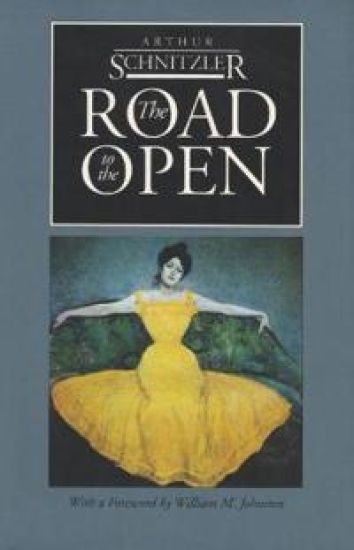
Road to the Open

Road to the Open

Arthur Schnitzler; William M. Johnston

Northwestern University Press
1992
nidottu
Turn-of-the-century Vienna was the scene of tremendous social and artistic upheaval. Arthur Schnitzler's novel The Road to the Open brilliantly captures the complex world of Freud, Mahler, Strauss, and Klimt, dealing masterfully with the basic issues of Austian anti-Semitism, the Viennese intellectual community, post-Wagnerian music, and the psychology of Vienna's middle class.
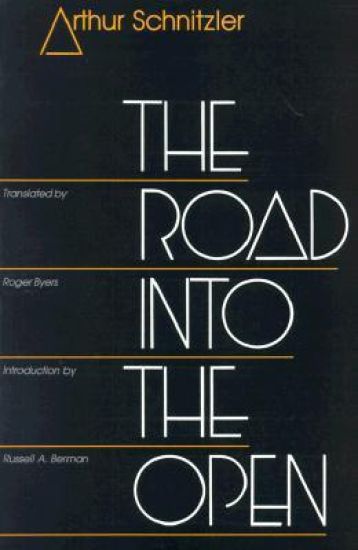
The Road into the Open

The Road into the Open

Arthur Schnitzler

University of California Press
1992
pokkari
A finely drawn portrayal of the disintegration of Austrian liberal society under the impact of nationalism and anti-semitism, "The Road into the Open" ("Der Weg ins Freie", 1908) is a remarkable novel by a major Austrian writer of the early twentieth century. Set in fin-de-siecle Austria - the cafes, salons, and musical concerts frequented by the Viennese elite - Schnitzler's perceptive exploration of the creative process and the private lives and public aspirations of urban Jewish intellectuals ranks with the highest achievements of Karl Kraus and Robert Musil. The novel's central character, Baron Georg von Wergenthin, is a handsome young composer whose troubled relations with women, musical collaborators, and representatives of the old social order make Schnitzler's book a revealing investigation of individual psychology and social allegory. In his comprehensive introduction, Russell Berman situates the book within the literary and political history of Central Europe and analyzes its relation to psychoanalysis, Marxism, musical aesthetics, and the legacy of European modernism.
Berta Garlan

Berta Garlan

Arthur Schnitzler

Peter Lang Publishing Inc
1987
sidottu
This novel typifies the ethical and moral preoccupations of Arthur Schnitzler. Berta Garlan, a young widow with a small child, feeling isolated in the small Austrian town where she lives, attempts to renew her relationship with her childhood sweetheart after a lapse of many years. Her lover, now a famous Viennese violin virtuoso, takes advantage of Berta's trusting love. At last, a wiser and more mature woman, she returns home and becomes reconciled to her destiny.