Kirjojen hintavertailu – 12 859 818 kirjaa ja 27 kauppaa

Kirjailija

Ben Jonson

Kirjat ja teokset yhdessä paikassa: 440 kirjaa, julkaisuja vuosilta 1963–2026, suosituimpiin kuuluu Ben Jonson. Vertaile teosten hintoja ja tarkista saatavuus suomalaisista kirjakaupoista.

440 kirjaa

Kirjojen julkaisuvuodet: 1963–2026.

Sejanus

Sejanus

Ben Jonson

Bibliotech Press
2020
pokkari
Benjamin Jonson (c. 11 June 1572 - c. 16 August 1637) was an English playwright and poet, whose artistry exerted a lasting impact upon English poetry and stage comedy. He popularised the comedy of humours. He is best known for the satirical plays Every Man in His Humour (1598), Volpone, or The Fox (c. 1606), The Alchemist (1610) and Bartholomew Fair (1614) and for his lyric and epigrammatic poetry. "He is generally regarded as the second most important English dramatist, after William Shakespeare, during the reign of James I." Jonson was a classically educated, well-read and cultured man of the English Renaissance with an appetite for controversy (personal and political, artistic and intellectual) whose cultural influence was of unparalleled breadth upon the playwrights and the poets of the Jacobean era (1603-1625) and of the Caroline era (1625-1642). Jonson was a towering literary figure, and his influence was enormous for he has been described as 'One of the most vigorous minds that ever added to the strength of English literature'. Before the English Civil War, the "Tribe of Ben" touted his importance, and during the Restoration Jonson's satirical comedies and his theory and practice of "humour characters" (which are often misunderstood; see William Congreve's letters for clarification) was extremely influential, providing the blueprint for many Restoration comedies. John Aubrey wrote of Jonson in "Brief Lives." By 1700 Jonson's status began to decline. In the Romantic era, Jonson suffered the fate of being unfairly compared and contrasted to Shakespeare, as the taste for Jonson's type of satirical comedy decreased. Jonson was at times greatly appreciated by the Romantics, but overall he was denigrated for not writing in a Shakespearean vein. (wikipedia.org)
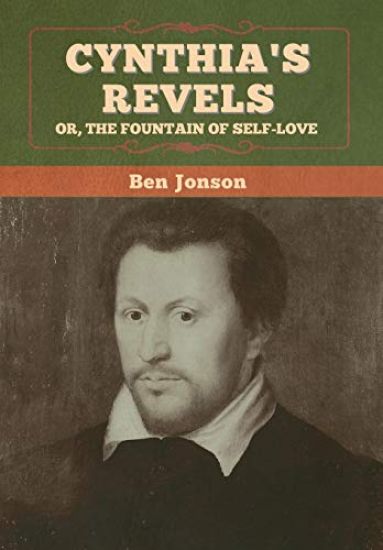
Cynthia's Revels; Or, The Fountain of Self-Love
Benjamin Jonson (c. 11 June 1572 - c. 16 August 1637) was an English playwright and poet, whose artistry exerted a lasting impact upon English poetry and stage comedy. He popularised the comedy of humours. He is best known for the satirical plays Every Man in His Humour (1598), Volpone, or The Fox (c. 1606), The Alchemist (1610) and Bartholomew Fair (1614) and for his lyric and epigrammatic poetry. "He is generally regarded as the second most important English dramatist, after William Shakespeare, during the reign of James I." Jonson was a classically educated, well-read and cultured man of the English Renaissance with an appetite for controversy (personal and political, artistic and intellectual) whose cultural influence was of unparalleled breadth upon the playwrights and the poets of the Jacobean era (1603-1625) and of the Caroline era (1625-1642). Jonson was a towering literary figure, and his influence was enormous for he has been described as 'One of the most vigorous minds that ever added to the strength of English literature'. Before the English Civil War, the "Tribe of Ben" touted his importance, and during the Restoration Jonson's satirical comedies and his theory and practice of "humour characters" (which are often misunderstood; see William Congreve's letters for clarification) was extremely influential, providing the blueprint for many Restoration comedies. John Aubrey wrote of Jonson in "Brief Lives." By 1700 Jonson's status began to decline. In the Romantic era, Jonson suffered the fate of being unfairly compared and contrasted to Shakespeare, as the taste for Jonson's type of satirical comedy decreased. Jonson was at times greatly appreciated by the Romantics, but overall he was denigrated for not writing in a Shakespearean vein. (wikipedia.org)

Sejanus

Sejanus

Ben Jonson

Bibliotech Press
2020
sidottu
Benjamin Jonson (c. 11 June 1572 - c. 16 August 1637) was an English playwright and poet, whose artistry exerted a lasting impact upon English poetry and stage comedy. He popularised the comedy of humours. He is best known for the satirical plays Every Man in His Humour (1598), Volpone, or The Fox (c. 1606), The Alchemist (1610) and Bartholomew Fair (1614) and for his lyric and epigrammatic poetry. "He is generally regarded as the second most important English dramatist, after William Shakespeare, during the reign of James I." Jonson was a classically educated, well-read and cultured man of the English Renaissance with an appetite for controversy (personal and political, artistic and intellectual) whose cultural influence was of unparalleled breadth upon the playwrights and the poets of the Jacobean era (1603-1625) and of the Caroline era (1625-1642). Jonson was a towering literary figure, and his influence was enormous for he has been described as 'One of the most vigorous minds that ever added to the strength of English literature'. Before the English Civil War, the "Tribe of Ben" touted his importance, and during the Restoration Jonson's satirical comedies and his theory and practice of "humour characters" (which are often misunderstood; see William Congreve's letters for clarification) was extremely influential, providing the blueprint for many Restoration comedies. John Aubrey wrote of Jonson in "Brief Lives." By 1700 Jonson's status began to decline. In the Romantic era, Jonson suffered the fate of being unfairly compared and contrasted to Shakespeare, as the taste for Jonson's type of satirical comedy decreased. Jonson was at times greatly appreciated by the Romantics, but overall he was denigrated for not writing in a Shakespearean vein. (wikipedia.org)
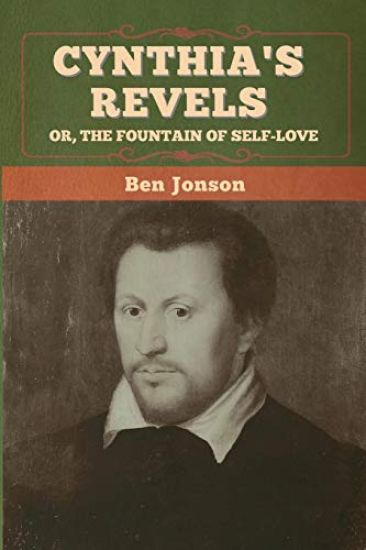
Cynthia's Revels; Or, The Fountain of Self-Love
Benjamin Jonson (c. 11 June 1572 - c. 16 August 1637) was an English playwright and poet, whose artistry exerted a lasting impact upon English poetry and stage comedy. He popularised the comedy of humours. He is best known for the satirical plays Every Man in His Humour (1598), Volpone, or The Fox (c. 1606), The Alchemist (1610) and Bartholomew Fair (1614) and for his lyric and epigrammatic poetry. "He is generally regarded as the second most important English dramatist, after William Shakespeare, during the reign of James I." Jonson was a classically educated, well-read and cultured man of the English Renaissance with an appetite for controversy (personal and political, artistic and intellectual) whose cultural influence was of unparalleled breadth upon the playwrights and the poets of the Jacobean era (1603-1625) and of the Caroline era (1625-1642). Jonson was a towering literary figure, and his influence was enormous for he has been described as 'One of the most vigorous minds that ever added to the strength of English literature'. Before the English Civil War, the "Tribe of Ben" touted his importance, and during the Restoration Jonson's satirical comedies and his theory and practice of "humour characters" (which are often misunderstood; see William Congreve's letters for clarification) was extremely influential, providing the blueprint for many Restoration comedies. John Aubrey wrote of Jonson in "Brief Lives." By 1700 Jonson's status began to decline. In the Romantic era, Jonson suffered the fate of being unfairly compared and contrasted to Shakespeare, as the taste for Jonson's type of satirical comedy decreased. Jonson was at times greatly appreciated by the Romantics, but overall he was denigrated for not writing in a Shakespearean vein. (wikipedia.org)

Epicoene; Or, The Silent Woman

Epicoene; Or, The Silent Woman

Ben Jonson

Bibliotech Press
2020
pokkari
Benjamin Jonson (c. 11 June 1572 - c. 16 August 1637) was an English playwright and poet, whose artistry exerted a lasting impact upon English poetry and stage comedy. He popularised the comedy of humours. He is best known for the satirical plays Every Man in His Humour (1598), Volpone, or The Fox (c. 1606), The Alchemist (1610) and Bartholomew Fair (1614) and for his lyric and epigrammatic poetry. "He is generally regarded as the second most important English dramatist, after William Shakespeare, during the reign of James I." Jonson was a classically educated, well-read and cultured man of the English Renaissance with an appetite for controversy (personal and political, artistic and intellectual) whose cultural influence was of unparalleled breadth upon the playwrights and the poets of the Jacobean era (1603-1625) and of the Caroline era (1625-1642). Jonson was a towering literary figure, and his influence was enormous for he has been described as 'One of the most vigorous minds that ever added to the strength of English literature'. Before the English Civil War, the "Tribe of Ben" touted his importance, and during the Restoration Jonson's satirical comedies and his theory and practice of "humour characters" (which are often misunderstood; see William Congreve's letters for clarification) was extremely influential, providing the blueprint for many Restoration comedies. John Aubrey wrote of Jonson in "Brief Lives." By 1700 Jonson's status began to decline. In the Romantic era, Jonson suffered the fate of being unfairly compared and contrasted to Shakespeare, as the taste for Jonson's type of satirical comedy decreased. Jonson was at times greatly appreciated by the Romantics, but overall he was denigrated for not writing in a Shakespearean vein. (wikipedia.org)

Epicoene; Or, The Silent Woman

Epicoene; Or, The Silent Woman

Ben Jonson

Bibliotech Press
2020
sidottu
Benjamin Jonson (c. 11 June 1572 - c. 16 August 1637) was an English playwright and poet, whose artistry exerted a lasting impact upon English poetry and stage comedy. He popularised the comedy of humours. He is best known for the satirical plays Every Man in His Humour (1598), Volpone, or The Fox (c. 1606), The Alchemist (1610) and Bartholomew Fair (1614) and for his lyric and epigrammatic poetry. "He is generally regarded as the second most important English dramatist, after William Shakespeare, during the reign of James I." Jonson was a classically educated, well-read and cultured man of the English Renaissance with an appetite for controversy (personal and political, artistic and intellectual) whose cultural influence was of unparalleled breadth upon the playwrights and the poets of the Jacobean era (1603-1625) and of the Caroline era (1625-1642). Jonson was a towering literary figure, and his influence was enormous for he has been described as 'One of the most vigorous minds that ever added to the strength of English literature'. Before the English Civil War, the "Tribe of Ben" touted his importance, and during the Restoration Jonson's satirical comedies and his theory and practice of "humour characters" (which are often misunderstood; see William Congreve's letters for clarification) was extremely influential, providing the blueprint for many Restoration comedies. John Aubrey wrote of Jonson in "Brief Lives." By 1700 Jonson's status began to decline. In the Romantic era, Jonson suffered the fate of being unfairly compared and contrasted to Shakespeare, as the taste for Jonson's type of satirical comedy decreased. Jonson was at times greatly appreciated by the Romantics, but overall he was denigrated for not writing in a Shakespearean vein. (wikipedia.org)
Bartholomew Fair

Bartholomew Fair

Ben Jonson

Bibliotech Press
2020
pokkari
Benjamin Jonson (c. 11 June 1572 - c. 16 August 1637) was an English playwright and poet, whose artistry exerted a lasting impact upon English poetry and stage comedy. He popularised the comedy of humours. He is best known for the satirical plays Every Man in His Humour (1598), Volpone, or The Fox (c. 1606), The Alchemist (1610) and Bartholomew Fair (1614) and for his lyric and epigrammatic poetry. "He is generally regarded as the second most important English dramatist, after William Shakespeare, during the reign of James I." Jonson was a classically educated, well-read and cultured man of the English Renaissance with an appetite for controversy (personal and political, artistic and intellectual) whose cultural influence was of unparalleled breadth upon the playwrights and the poets of the Jacobean era (1603-1625) and of the Caroline era (1625-1642). Jonson was a towering literary figure, and his influence was enormous for he has been described as 'One of the most vigorous minds that ever added to the strength of English literature'. Before the English Civil War, the "Tribe of Ben" touted his importance, and during the Restoration Jonson's satirical comedies and his theory and practice of "humour characters" (which are often misunderstood; see William Congreve's letters for clarification) was extremely influential, providing the blueprint for many Restoration comedies. John Aubrey wrote of Jonson in "Brief Lives." By 1700 Jonson's status began to decline. In the Romantic era, Jonson suffered the fate of being unfairly compared and contrasted to Shakespeare, as the taste for Jonson's type of satirical comedy decreased. Jonson was at times greatly appreciated by the Romantics, but overall he was denigrated for not writing in a Shakespearean vein. (wikipedia.org)
Volpone; Or The Fox

Volpone; Or The Fox

Ben Jonson

Bibliotech Press
2020
sidottu
Benjamin Jonson (c. 11 June 1572 - c. 16 August 1637) was an English playwright and poet, whose artistry exerted a lasting impact upon English poetry and stage comedy. He popularised the comedy of humours. He is best known for the satirical plays Every Man in His Humour (1598), Volpone, or The Fox (c. 1606), The Alchemist (1610) and Bartholomew Fair (1614) and for his lyric and epigrammatic poetry. "He is generally regarded as the second most important English dramatist, after William Shakespeare, during the reign of James I." Jonson was a classically educated, well-read and cultured man of the English Renaissance with an appetite for controversy (personal and political, artistic and intellectual) whose cultural influence was of unparalleled breadth upon the playwrights and the poets of the Jacobean era (1603-1625) and of the Caroline era (1625-1642). Jonson was a towering literary figure, and his influence was enormous for he has been described as 'One of the most vigorous minds that ever added to the strength of English literature'. Before the English Civil War, the "Tribe of Ben" touted his importance, and during the Restoration Jonson's satirical comedies and his theory and practice of "humour characters" (which are often misunderstood; see William Congreve's letters for clarification) was extremely influential, providing the blueprint for many Restoration comedies. John Aubrey wrote of Jonson in "Brief Lives." By 1700 Jonson's status began to decline. In the Romantic era, Jonson suffered the fate of being unfairly compared and contrasted to Shakespeare, as the taste for Jonson's type of satirical comedy decreased. Jonson was at times greatly appreciated by the Romantics, but overall he was denigrated for not writing in a Shakespearean vein. (wikipedia.org)
Volpone; Or The Fox

Volpone; Or The Fox

Ben Jonson

Bibliotech Press
2020
pokkari
Benjamin Jonson (c. 11 June 1572 - c. 16 August 1637) was an English playwright and poet, whose artistry exerted a lasting impact upon English poetry and stage comedy. He popularised the comedy of humours. He is best known for the satirical plays Every Man in His Humour (1598), Volpone, or The Fox (c. 1606), The Alchemist (1610) and Bartholomew Fair (1614) and for his lyric and epigrammatic poetry. "He is generally regarded as the second most important English dramatist, after William Shakespeare, during the reign of James I." Jonson was a classically educated, well-read and cultured man of the English Renaissance with an appetite for controversy (personal and political, artistic and intellectual) whose cultural influence was of unparalleled breadth upon the playwrights and the poets of the Jacobean era (1603-1625) and of the Caroline era (1625-1642). Jonson was a towering literary figure, and his influence was enormous for he has been described as 'One of the most vigorous minds that ever added to the strength of English literature'. Before the English Civil War, the "Tribe of Ben" touted his importance, and during the Restoration Jonson's satirical comedies and his theory and practice of "humour characters" (which are often misunderstood; see William Congreve's letters for clarification) was extremely influential, providing the blueprint for many Restoration comedies. John Aubrey wrote of Jonson in "Brief Lives." By 1700 Jonson's status began to decline. In the Romantic era, Jonson suffered the fate of being unfairly compared and contrasted to Shakespeare, as the taste for Jonson's type of satirical comedy decreased. Jonson was at times greatly appreciated by the Romantics, but overall he was denigrated for not writing in a Shakespearean vein. (wikipedia.org)
Bartholomew Fair

Bartholomew Fair

Ben Jonson

Bibliotech Press
2020
sidottu
Benjamin Jonson (c. 11 June 1572 - c. 16 August 1637) was an English playwright and poet, whose artistry exerted a lasting impact upon English poetry and stage comedy. He popularised the comedy of humours. He is best known for the satirical plays Every Man in His Humour (1598), Volpone, or The Fox (c. 1606), The Alchemist (1610) and Bartholomew Fair (1614) and for his lyric and epigrammatic poetry. "He is generally regarded as the second most important English dramatist, after William Shakespeare, during the reign of James I." Jonson was a classically educated, well-read and cultured man of the English Renaissance with an appetite for controversy (personal and political, artistic and intellectual) whose cultural influence was of unparalleled breadth upon the playwrights and the poets of the Jacobean era (1603-1625) and of the Caroline era (1625-1642). Jonson was a towering literary figure, and his influence was enormous for he has been described as 'One of the most vigorous minds that ever added to the strength of English literature'. Before the English Civil War, the "Tribe of Ben" touted his importance, and during the Restoration Jonson's satirical comedies and his theory and practice of "humour characters" (which are often misunderstood; see William Congreve's letters for clarification) was extremely influential, providing the blueprint for many Restoration comedies. John Aubrey wrote of Jonson in "Brief Lives." By 1700 Jonson's status began to decline. In the Romantic era, Jonson suffered the fate of being unfairly compared and contrasted to Shakespeare, as the taste for Jonson's type of satirical comedy decreased. Jonson was at times greatly appreciated by the Romantics, but overall he was denigrated for not writing in a Shakespearean vein. (wikipedia.org)

Every Man in His Humor

Every Man in His Humor

Ben Jonson

Bibliotech Press
2020
pokkari
Benjamin Jonson (c. 11 June 1572 - c. 16 August 1637) was an English playwright and poet, whose artistry exerted a lasting impact upon English poetry and stage comedy. He popularised the comedy of humours. He is best known for the satirical plays Every Man in His Humour (1598), Volpone, or The Fox (c. 1606), The Alchemist (1610) and Bartholomew Fair (1614) and for his lyric and epigrammatic poetry. "He is generally regarded as the second most important English dramatist, after William Shakespeare, during the reign of James I." Jonson was a classically educated, well-read and cultured man of the English Renaissance with an appetite for controversy (personal and political, artistic and intellectual) whose cultural influence was of unparalleled breadth upon the playwrights and the poets of the Jacobean era (1603-1625) and of the Caroline era (1625-1642). Jonson was a towering literary figure, and his influence was enormous for he has been described as 'One of the most vigorous minds that ever added to the strength of English literature'. Before the English Civil War, the "Tribe of Ben" touted his importance, and during the Restoration Jonson's satirical comedies and his theory and practice of "humour characters" (which are often misunderstood; see William Congreve's letters for clarification) was extremely influential, providing the blueprint for many Restoration comedies. John Aubrey wrote of Jonson in "Brief Lives." By 1700 Jonson's status began to decline. In the Romantic era, Jonson suffered the fate of being unfairly compared and contrasted to Shakespeare, as the taste for Jonson's type of satirical comedy decreased. Jonson was at times greatly appreciated by the Romantics, but overall he was denigrated for not writing in a Shakespearean vein. (wikipedia.org)

Every Man in His Humor

Every Man in His Humor

Ben Jonson

Bibliotech Press
2020
sidottu
Benjamin Jonson (c. 11 June 1572 - c. 16 August 1637) was an English playwright and poet, whose artistry exerted a lasting impact upon English poetry and stage comedy. He popularised the comedy of humours. He is best known for the satirical plays Every Man in His Humour (1598), Volpone, or The Fox (c. 1606), The Alchemist (1610) and Bartholomew Fair (1614) and for his lyric and epigrammatic poetry. "He is generally regarded as the second most important English dramatist, after William Shakespeare, during the reign of James I." Jonson was a classically educated, well-read and cultured man of the English Renaissance with an appetite for controversy (personal and political, artistic and intellectual) whose cultural influence was of unparalleled breadth upon the playwrights and the poets of the Jacobean era (1603-1625) and of the Caroline era (1625-1642). Jonson was a towering literary figure, and his influence was enormous for he has been described as 'One of the most vigorous minds that ever added to the strength of English literature'. Before the English Civil War, the "Tribe of Ben" touted his importance, and during the Restoration Jonson's satirical comedies and his theory and practice of "humour characters" (which are often misunderstood; see William Congreve's letters for clarification) was extremely influential, providing the blueprint for many Restoration comedies. John Aubrey wrote of Jonson in "Brief Lives." By 1700 Jonson's status began to decline. In the Romantic era, Jonson suffered the fate of being unfairly compared and contrasted to Shakespeare, as the taste for Jonson's type of satirical comedy decreased. Jonson was at times greatly appreciated by the Romantics, but overall he was denigrated for not writing in a Shakespearean vein. (wikipedia.org)

The Alchemist

The Alchemist

Ben Jonson

Broadview Press Ltd
2020
pokkari
The Alchemist has long been admired as one of Ben Jonson's best dramas-Samuel Taylor Coleridge famously deemed it one of the most 'perfect' plots in literature. Its satiric cleverness and metatheatricality have delighted audiences from its first performance to the present day; readers and play-goers are swept up in the schemes of a fake alchemist and other determined fraudsters whose scams appear to offer easy wealth and immortality to their morally compromised victims. While no characters emerge unscathed by Jonson's satire, and while alchemy itself is revealed as most likely a sham, the play is nonetheless a tribute to the transformative - indeed, the alchemical-powers of the theater. This edition includes a helpful introduction to the play, including discussion of its performance history and background information on alchemy. Thorough annotations to the text are also provided, as are contextual materials, including a selection of Jonson's sources, further materials on alchemy, and an example of the 'rogue' or 'coney-catching' literature that informs Jonson's portrayal of the grifters in the play.
The Alchemist

The Alchemist

Ben Jonson

Bibliotech Press
2020
pokkari
The Alchemist is a comedy by English playwright Ben Jonson. First performed in 1610 by the King's Men, it is generally considered Jonson's best and most characteristic comedy; Samuel Taylor Coleridge claimed that it had one of the three most perfect plots in literature. The play's clever fulfillment of the classical unities and vivid depiction of human folly have made it one of the few Renaissance plays (except the works of Shakespeare) with a continuing life on stage (except for a period of neglect during the Victorian era). (wikipedia.org)
The Alchemist

The Alchemist

Ben Jonson

Bibliotech Press
2020
sidottu
The Alchemist is a comedy by English playwright Ben Jonson. First performed in 1610 by the King's Men, it is generally considered Jonson's best and most characteristic comedy; Samuel Taylor Coleridge claimed that it had one of the three most perfect plots in literature. The play's clever fulfillment of the classical unities and vivid depiction of human folly have made it one of the few Renaissance plays (except the works of Shakespeare) with a continuing life on stage (except for a period of neglect during the Victorian era). (wikipedia.org)
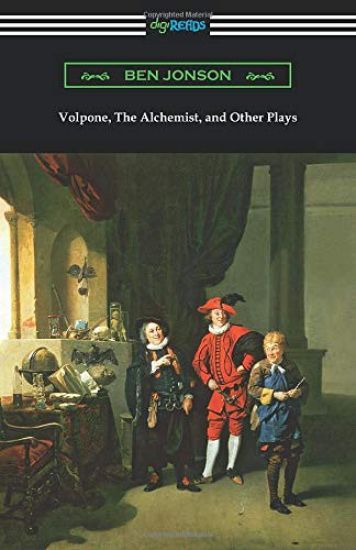
Volpone, The Alchemist, and Other Plays
Benjamin Jonson was a Renaissance dramatist, poet, and actor, known best for his satirical plays and lyric poems. Jonson focused on creating works that implemented elements of the realistic as well as the absurd. Jonson's most performed play, and the one that sparked a period of great success for the playwright, is "Volpone, or The Fox". Volpone, a Venetian con artist, is feigning to be on his death bed, pitting several aspirant heirs against one another. The dark comedy is as much serious as it is amusing, exposing the audience to greedy, corrupt characters that at first seem absurdly fictional, but who ultimately reveal a number of societal flaws. Also included in the is collection are "The Alchemist", a comedy which relates the fraudulent enterprise of a butler when left in charge of his master's house who has fled to the country during an outbreak of the plague; "The Epicoene", which concerns the farcical scheme of Dauphine to get his inheritance from his uncle; and "Bartholomew Fair", the comedic tale of a plot to win the widow Dame Purecraft from the hypocritical Puritan Zeal-of-the-Land Busy. All together this collection presents Jonson's most admired and often performed works. This edition is printed on premium acid-free paper.
The Alchemist

The Alchemist

Ben Jonson

Lector House
2020
pokkari
The Alchemist: With Introduction By Felix E. Schelling And Glossary This book is a result of an effort made by us towards making a contribution to the preservation and repair of original classic literature. In an attempt to preserve, improve and recreate the original content, we have worked towards: 1. Type-setting & Reformatting: The complete work has been re-designed via professional layout, formatting and type-setting tools to re-create the same edition with rich typography, graphics, high quality images, and table elements, giving our readers the feel of holding a 'fresh and newly' reprinted and/or revised edition, as opposed to other scanned & printed (Optical Character Recognition - OCR) reproductions. 2. Correction of imperfections: As the work was re-created from the scratch, therefore, it was vetted to rectify certain conventional norms with regard to typographical mistakes, hyphenations, punctuations, blurred images, missing content/pages, and/or other related subject matters, upon our consideration. Every attempt was made to rectify the imperfections related to omitted constructs in the original edition via other references. However, a few of such imperfections which could not be rectified due to intentional\unintentional omission of content in the original edition, were inherited and preserved from the original work to maintain the authenticity and construct, relevant to the work. We believe that this work holds historical, cultural and/or intellectual importance in the literary works community, therefore despite the oddities, we accounted the work for print as a part of our continuing effort towards preservation of literary work and our contribution towards the development of the society as a whole, driven by our beliefs. We are grateful to our readers for putting their faith in us and accepting our imperfections with regard to preservation of the historical content. HAPPY READING
The alchemist

The alchemist

Ben Jonson

Alpha Edition
2019
pokkari
This book has been considered by academicians and scholars of great significance and value to literature. This forms a part of the knowledge base for future generations. We have represented this book in the same form as it was first published. Hence any marks seen are left intentionally to preserve its true nature.
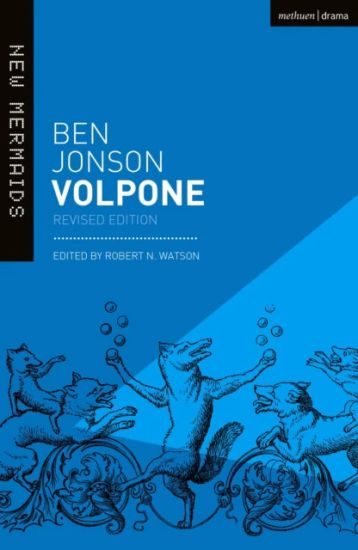
Volpone

Volpone

Ben Jonson

Methuen Drama
2019
nidottu
The sharpest, funniest comedy about money and morals in the 17th century is still the sharpest and funniest about those things in the 21st. The full play text is accompanied by incisive commentary notes which communicate the devastating comic energy of Volpone’s satire. The introduction provides a firm grounding in the play’s social and literary contexts, demonstrates how careful close-reading can expand your enjoyment of the comedy, shows the relevance of Jonson’s critique to our modern economic systems, and provides a clear picture of how the main relationships in the play function on the page and stage. Supplemented by a plot summary and annotated bibliography, it is ideal for students of Jonson, city comedy and early modern drama.