
Kirjailija
Benedictus De Spinoza
Kirjat ja teokset yhdessä paikassa: 196 kirjaa, julkaisuja vuosilta 1961–2026, suosituimpiin kuuluu On the Improvement of the Understanding. Vertaile teosten hintoja ja tarkista saatavuus suomalaisista kirjakaupoista.
196 kirjaa
Kirjojen julkaisuvuodet: 1961–2026.

Spinoza's Sämmtliche Werke: Aus Dem Lateinischen Mit Dem Leben Spinoza's. Fünfter Band
Berthold Auerbach; Benedictus De Spinoza
Creative Media Partners, LLC
2018
sidottu
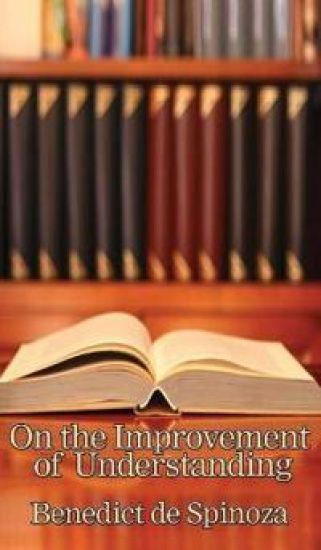
On the Improvement of the Understanding by Benedictus de Spinoza
Born in Amsterdam in 1634, Benedict Spinoza continues to be one of the most admired thinkers. His work, including the Ethics, the Tractatus Theologico Politicus and the Political Treatise that we present in this volume are widely read and the subject of philosophical, political, religious and psychological studies, not only by fellow philosophers but also by writers and poets. Famous writers and poets became admirers and followers of Spinoza, particularly Lessing, Heine, Auerbach, Coleridge, Shelley, George Eliot and many more. Robert Harvey Monro Elwes a renowned XIX century English scholar and the English translator of Spinoza's works, in his Introduction to the Tractatus Theologico Politicus (included in this book) wrote that these poets and intellectuals "not only admired him but studied him deeply. Shelley not only contemplated but began a translation of the Tractatus Theologico-Politicus, to be published with a preface by Lord Byron, but the project was cut short by his death.""to be a philosopher one must first be a Spinozist.." G. W. F. Hegel"I, at last, chanced upon the Ethica of this man. To say exactly how much I gained from that work was due to Spinoza or to my reading of him would be impossible; enough that I found in him a sedative for my passions and that he appeared to me to open up a large and free outlook on the material and moral world." Johann Wolfgang von Goethe"Spinoza, like Nietzsche and Schopenhauer, on whose lives and philosophy I have based two earlier novels, wrote much that is highly relevant to my field of psychiatry and psychotherapy--for example, that ideas, thoughts, and feelings are caused by previous experiences, that passions may be studied dispassionately, that understanding leads to transcendence--and I wished to celebrate his contributions through a novel of ideas." Irvin D. Yalom, from his novel The Spinoza Problem

Baruch de Spinoza (1632 -1677) war ein niederl ndischer Philosoph und Sohn portugiesischer Immigranten sephardischer Herkunft und portugiesischer Muttersprache. Er wird dem Rationalismus zugeordnet und gilt als einer der Begr nder der modernen Bibel- und Religionskritik. Spinoza nimmt in der Philosophiegeschichte eine Sonderstellung ein. Er geh rte weder einer etablierten philosophischen Schule an, noch begr ndete er selber eine neue. Er war einer der radikalsten Philosophen der fr hen Neuzeit. Seine Ethica, ordine geometrico demonstrata ist der Form nach in synthetischer Darstellung und, wie es der Titel andeutet, nach der Methode von Euklids Elementen in "Grundbegriffen", "Axiomen", "Theoremen", "Demonstrationen" und "Korollarien" abgefasst. Spinoza verfasste eine Metaphysik und Ethik in der Art eines Geometrielehrbuches. Ethica, ordine geometrico demonstrata (neulateinisch; Ethik, nach geometrischer Methode dargelegt) ist 1677 posthum, im Jahre seines Todes, erschienen. Es gilt als sein Hauptwerk. Viele Teile davon hatte Spinoza allerdings schon in fr her ver ffentlichten Schriften dargestellt. Die Ethik ist mit den Auffassungen der Zeit Spinozas zu verstehen. Nach ihm sollte die Philosophie aus jeglicher Gotteskonvention herausgel st sein und die Philosophie als Lebenslehre dienen. Von der professionellen Theologie wurde Spinoza vor allem in Deutschland wegen seiner Ethik seinerzeit als gef hrlicher Pantheist und Atheist geschm ht.
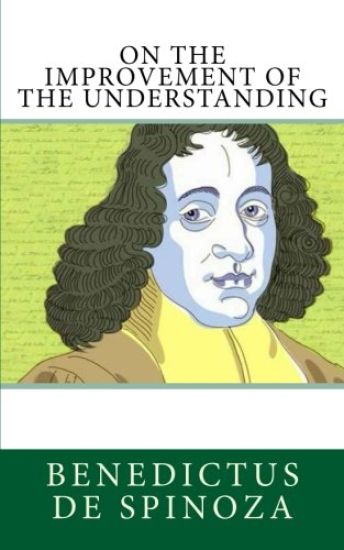
On the Improvement of the Understanding
Benedictus De Spinoza
Createspace Independent Publishing Platform
2018
nidottu
Tractatus de Intellectus Emendatione (TIE) or On the Improvement of the Understanding is an attempt to formulate a philosophical method that would allow the mind to form the clear and distinct ideas that are necessary for its perfection. It contains, in addition, reflection upon the various kinds of knowledge, an extended treatment of definition, and a lengthy analysis of the nature and causes of doubt. The characteristic of the work is the discussion of different form of perception at Chapter IV and illustration of the best one in relation with the experience and intelligence at the next Chapter. He also addresses the issues of memory and forgetting.
Ethics: Ethics by Benedictus de Spinoza
Tom Sharpe; Benedictus De Spinoza
Createspace Independent Publishing Platform
2018
nidottu

This work has been selected by scholars as being culturally important, and is part of the knowledge base of civilization as we know it. This work was reproduced from the original artifact, and remains as true to the original work as possible. Therefore, you will see the original copyright references, library stamps (as most of these works have been housed in our most important libraries around the world), and other notations in the work. This work is in the public domain in the United States of America, and possibly other nations. Within the United States, you may freely copy and distribute this work, as no entity (individual or corporate) has a copyright on the body of the work. As a reproduction of a historical artifact, this work may contain missing or blurred pages, poor pictures, errant marks, etc. Scholars believe, and we concur, that this work is important enough to be preserved, reproduced, and made generally available to the public. We appreciate your support of the preservation process, and thank you for being an important part of keeping this knowledge alive and relevant.
Tractatus de Intellectus Emendatione
Benedictus De Spinoza; William Hale-White; Amelia H Stirling
Hansebooks
2017
pokkari
Tractatus de Intellectus Emendatione - et de via, qua optime in veram rerum cognitionem dirigitur is an unchanged, high-quality reprint of the original edition of 1895. Hansebooks is editor of the literature on different topic areas such as research and science, travel and expeditions, cooking and nutrition, medicine, and other genres. As a publisher we focus on the preservation of historical literature. Many works of historical writers and scientists are available today as antiques only. Hansebooks newly publishes these books and contributes to the preservation of literature which has become rare and historical knowledge for the future.


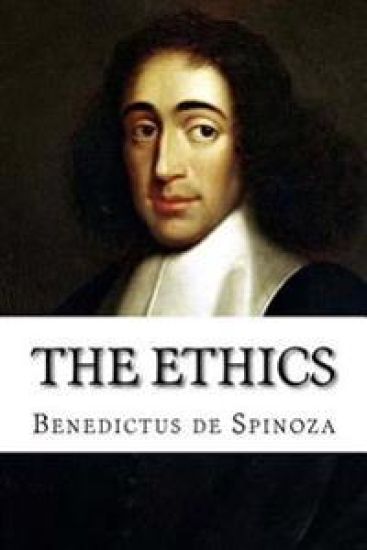
This is an abridged reprint in gender-neutral language of a 19th century translation of "Ethica Ordine Geometrico Demonstrata" by Benedict de Spinoza (Baruch Spinoza, 1632-1677) first published in 1677. The 1883 translation by William Hale White (1831-1913), was rendered gender-neutral by Dr. Maja Trochimczyk. This second volume of Moonrise Press's Classic Wisdom Book Series, consists of five parts: I. Of God; II. Of The Nature and Origin of the Mind, III. Of The Origin and Nature of the Affects; IV. Of Human Bondage, or of the Strength of the Affects. And V. Of The Power of the Intellect, or Of Human Liberty. Born in a Jewish-Portuguese family in Amsterdam in 1621, at 23, Spinoza was expelled from the Jewish community and is buried in a Christian church in The Hague (he died at 44, in 1677). He was neither Jewish nor Christian in his views, and, from today's perspective may be called one of the Classics of Awakened Wisdom, aware of the intrinsic unity of the Universe with God, the Source of all.

Ethik ist ein unver nderter, hochwertiger Nachdruck der Originalausgabe aus dem Jahr 1886. Hansebooks ist Herausgeber von Literatur zu unterschiedlichen Themengebieten wie Forschung und Wissenschaft, Reisen und Expeditionen, Kochen und Ern hrung, Medizin und weiteren Genres. Der Schwerpunkt des Verlages liegt auf dem Erhalt historischer Literatur. Viele Werke historischer Schriftsteller und Wissenschaftler sind heute nur noch als Antiquit ten erh ltlich. Hansebooks verlegt diese B cher neu und tr gt damit zum Erhalt selten gewordener Literatur und historischem Wissen auch f r die Zukunft bei.
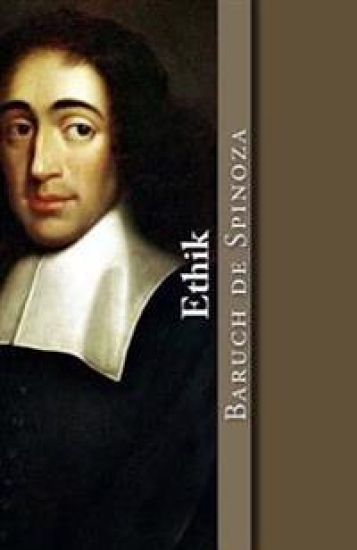
Baruch de Spinoza (1632 -1677) war ein niederl ndischer Philosoph und Sohn portugiesischer Immigranten sephardischer Herkunft und portugiesischer Muttersprache. Er wird dem Rationalismus zugeordnet und gilt als einer der Begr nder der modernen Bibel- und Religionskritik. Spinoza nimmt in der Philosophiegeschichte eine Sonderstellung ein. Er geh rte weder einer etablierten philosophischen Schule an, noch begr ndete er selber eine neue. Er war einer der radikalsten Philosophen der fr hen Neuzeit. Seine Ethica, ordine geometrico demonstrata ist der Form nach in synthetischer Darstellung und, wie es der Titel andeutet, nach der Methode von Euklids Elementen in "Grundbegriffen", "Axiomen", "Theoremen", "Demonstrationen" und "Korollarien" abgefasst. Spinoza verfasste eine Metaphysik und Ethik in der Art eines Geometrielehrbuches. Ethica, ordine geometrico demonstrata (neulateinisch; Ethik, nach geometrischer Methode dargelegt) ist 1677 posthum, im Jahre seines Todes, erschienen. Es gilt als sein Hauptwerk. Viele Teile davon hatte Spinoza allerdings schon in fr her ver ffentlichten Schriften dargestellt. Die Ethik ist mit den Auffassungen der Zeit Spinozas zu verstehen. Nach ihm sollte die Philosophie aus jeglicher Gotteskonvention herausgel st sein und die Philosophie als Lebenslehre dienen. Von der professionellen Theologie wurde Spinoza vor allem in Deutschland wegen seiner Ethik seinerzeit als gef hrlicher Pantheist und Atheist geschm ht.
Der Briefwechsel des Spinoza im Urtexte
Benedictus De Spinoza; Hugo Ginsberg; Johannes Colerus
Hansebooks
2016
pokkari
Der Briefwechsel des Spinoza im Urtexte ist ein unver nderter, hochwertiger Nachdruck der Originalausgabe aus dem Jahr 1876. Hansebooks ist Herausgeber von Literatur zu unterschiedlichen Themengebieten wie Forschung und Wissenschaft, Reisen und Expeditionen, Kochen und Ern hrung, Medizin und weiteren Genres. Der Schwerpunkt des Verlages liegt auf dem Erhalt historischer Literatur. Viele Werke historischer Schriftsteller und Wissenschaftler sind heute nur noch als Antiquit ten erh ltlich. Hansebooks verlegt diese B cher neu und tr gt damit zum Erhalt selten gewordener Literatur und historischem Wissen auch f r die Zukunft bei.