Kirjojen hintavertailu – 12 859 829 kirjaa ja 27 kauppaa
Kirjailija
Benvenuto Cellini
Kirjat ja teokset yhdessä paikassa: 87 kirjaa, julkaisuja vuosilta 1999–2026, suosituimpiin kuuluu The Autobiography of Benvenuto Cellini. Vertaile teosten hintoja ja tarkista saatavuus suomalaisista kirjakaupoista.
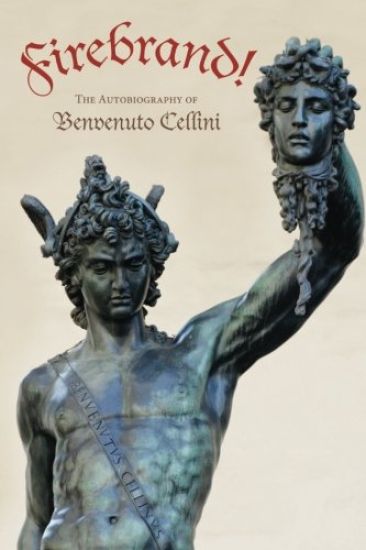
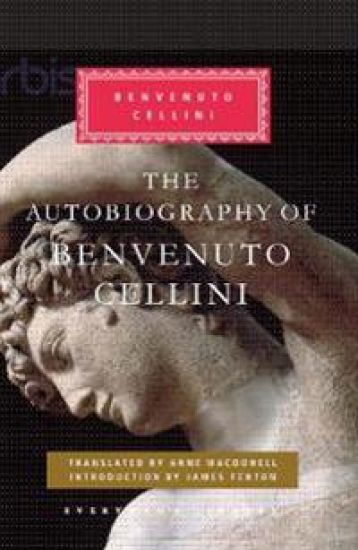
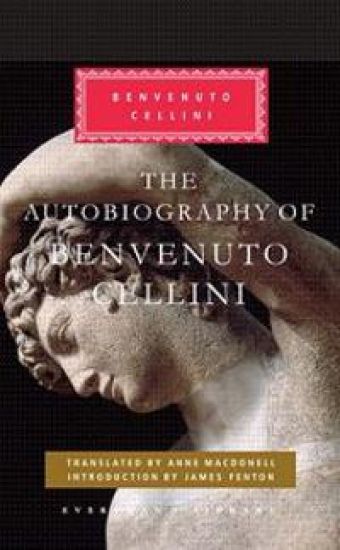
Benvenuto Cellini is an artist-craftsman, one of the greatest sculptors in the renaissance, passionately devoted to art, the worshipper and frequenter of the great men of his time, the 'divine' Michelangelo, who came to his studio, the 'marvellous' Titian (the adjectives are Cellini's ). He loathed the sculptor Torregiano because he had broken Michelangelo's nose. His autobiography gives a quite extraordinarily vivid account of daily life in Renaissance Florence and Rome, its studios, its taverns, its violence, his loves, the kings, cardinals and popes who commission his works. At 27 he helps direct the defence of the castello San Angelo; his account of his imprisonment there under a mad castellan (who thought he was a bat), his escape by an improvised rope, his recapture, his confinement in 'a cell of tarantulas and venomous worms' is a chapter of adventure equal to any in fact or fiction. Later he describes burning all his furniture to achieve sufficient heat to cast of one of his most famous works, Perseus and the Head of Medusa. Cellini's Life was translated by Goethe into German. The Everyman translation by Anne Macdonell (1903) is widely recognised as the most faithful to the energy and spirit of the original.
Here is the most important autobiography from Renaissance Italy and one of the most spirited and colorful from any time or place, in a translation widely recognized as the most faithful to the energy and spirit of the original. Benvenuto Cellini was both a beloved artist in sixteenth-century Florence and a passionate and temperamental man of action who was capable of brawling, theft, and murder. He counted popes, cardinals, kings, and dukes among his patrons and was the adoring friend of as he described them the divine Michelangelo and the marvelous Titian, but was as well known for his violent feuds. At age twenty-seven he helped defend the Castel Sant Angelo in Rome, and his account of his imprisonment there (under a mad castellan who thought he was a bat), his escape, recapture, and confinement in a cell of tarantulas and venomous worms is an adventure equal to any other in fact or fiction. But it is only one in a long life lived on a grand scale. Cellini s autobiography is not merely the record of an extraordinary life but also a dramatic and evocative account of daily life in Renaissance Italy, from its lowest taverns to its highest royal courts."
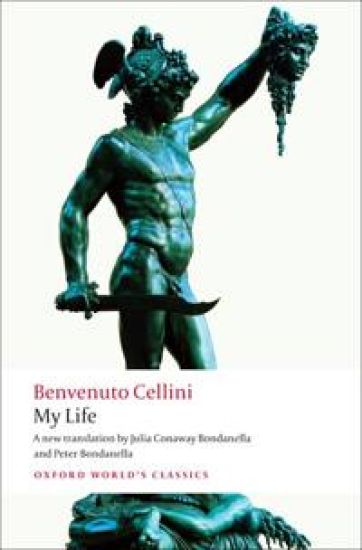
'You should know that men like Benvenuto, unique in their profession, need not be subject to the law.' Thus spoke Pope Paul III on learning that Cellini had murdered a fellow artist, so great was his reputation in Renaissance Florence. A renowned sculptor and goldsmith, whose works include the famous salt-cellar made for the King of France, and the statue of Perseus with the head of the Medusa, Cellini's life was as vivid and enthralling as his creations. A man of action as well as an artist, he took part in the Sack of Rome in 1527; he was temperamental, passionate, and conceited, capable of committing criminal acts ranging from brawling and sodomy to theft and murder. He numbered among his patrons popes and kings and members of the Medici family, and his autobiography is a fascinating account of sixteenth-century Italy and France written with all the verve of a novel. This new translation, which captures the freshness and vivacity of the original, is based on the latest critical edition. It examines in detail the central event in Cellini's narrative, the casting of the statue of Perseus. ABOUT THE SERIES: For over 100 years Oxford World's Classics has made available the widest range of literature from around the globe. Each affordable volume reflects Oxford's commitment to scholarship, providing the most accurate text plus a wealth of other valuable features, including expert introductions by leading authorities, helpful notes to clarify the text, up-to-date bibliographies for further study, and much more.