Kirjojen hintavertailu – 12 903 735 kirjaa ja 27 kauppaa

Kirjailija

Carlton Munson

Kirjat ja teokset yhdessä paikassa: 25 kirjaa, julkaisuja vuosilta 1984–2003, suosituimpiin kuuluu African-American Social Workers and Social Policy. Vertaile teosten hintoja ja tarkista saatavuus suomalaisista kirjakaupoista.

25 kirjaa

Kirjojen julkaisuvuodet: 1984–2003.

African-American Social Workers and Social Policy

African-American Social Workers and Social Policy

Carlton Munson; Tricia Bent-Goodley

Routledge Member of the Taylor and Francis Group
2003
sidottu
Critical analyses of policies that significantly affect African-American families and communities! African-American Social Workers and Social Policy is the first book of its kind to combine the voices of African-American social work professionals on social policy in one volume. You'll learn about the impact of health, child welfare, and aging, the implications of welfare reform, and the harsh statistics about race and imprisonment from respected practitioners in the field. Each chapter ends with recommendations for policy advocacy, giving you the tools you need to help reform the system. The issues addressed in African-American Social Workers and Social Policy include: how proposed Social Security reforms can help or hinder efforts to bridge the wealth gap the role of grandparents as caregivers the implications of child welfare policies, including the Multi-Ethnic Placement Act of 1994 the effects of race, class, and gender discrimination on African-American women's health the significance of the Human Genome Project how social workers can stand up to the biases of the criminal justice systemAfrican-American Social Workers and Social Policy also presents an eye-opening review of the history of mental health policies for African Americans and an action agenda focused on knowledge and empowerment as a solution to pervasive institutional racism. This book is a welcome forum for policy educators, advocates, and those committed to social justice. You will value African-American Social Workers and Social Policy for its clear identification of issues, thorough analysis of the social policy arena and its impact, and comprehensive description of new goals, directions, and possibilities. This book will help you better understand vital social policies that affect African Americans today.

African-American Social Workers and Social Policy

African-American Social Workers and Social Policy

Carlton Munson; Tricia Bent-Goodley

Routledge Member of the Taylor and Francis Group
2003
nidottu
Critical analyses of policies that significantly affect African-American families and communities! African-American Social Workers and Social Policy is the first book of its kind to combine the voices of African-American social work professionals on social policy in one volume. You'll learn about the impact of health, child welfare, and aging, the implications of welfare reform, and the harsh statistics about race and imprisonment from respected practitioners in the field. Each chapter ends with recommendations for policy advocacy, giving you the tools you need to help reform the system. The issues addressed in African-American Social Workers and Social Policy include: how proposed Social Security reforms can help or hinder efforts to bridge the wealth gap the role of grandparents as caregivers the implications of child welfare policies, including the Multi-Ethnic Placement Act of 1994 the effects of race, class, and gender discrimination on African-American women's health the significance of the Human Genome Project how social workers can stand up to the biases of the criminal justice systemAfrican-American Social Workers and Social Policy also presents an eye-opening review of the history of mental health policies for African Americans and an action agenda focused on knowledge and empowerment as a solution to pervasive institutional racism. This book is a welcome forum for policy educators, advocates, and those committed to social justice. You will value African-American Social Workers and Social Policy for its clear identification of issues, thorough analysis of the social policy arena and its impact, and comprehensive description of new goals, directions, and possibilities. This book will help you better understand vital social policies that affect African Americans today.
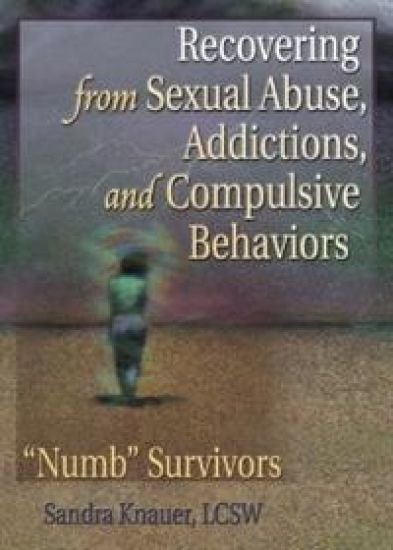
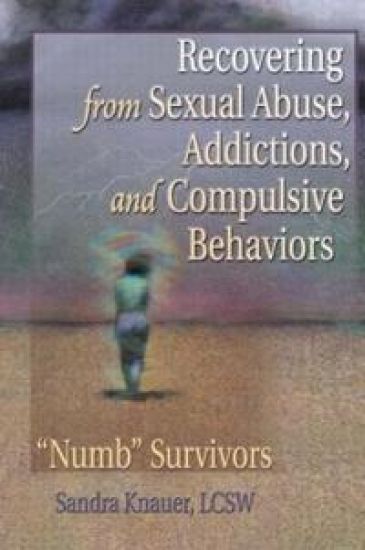
Recovering from Sexual Abuse, Addictions, and Compulsive Behaviors

Recovering from Sexual Abuse, Addictions, and Compulsive Behaviors

Carlton Munson; Sandra L. Knauer

Routledge Member of the Taylor and Francis Group
2002
sidottu
Explore the connection between sexual victimization, addiction, and compulsive behaviors! This book demonstrates clearly what lengths survivors of sexual abuse will go to in attempting to avoid dealing with the pain resulting from their sexual abuse. Anyone who has been sexually abused is likely to have one of the addictions or compulsive behaviors described herein. The information in Recovering from Sexual Abuse, Addictions, and Compulsive Behaviors regarding codependency is especially useful to survivors of sexual abuse who now find themselves in abusive relationships. Survivors of abuse who have gone without treatment sometimes become either sexual perpetrators or sexual addicts and may experience many different types of psychological dysfunction. Recovering from Sexual Abuse, Addictions, and Compulsive Behaviors examines issues that survivors often have regarding: trust and friendship sexuality and sexual addiction marriage and family religious addiction as opposed to spirituality alcohol and substance abuse workaholism weight issues and eating disorders violence as the result of shame, fear, and depression caused by abuseRecovering from Sexual Abuse, Addictions, and Compulsive Behaviors is more than a litany of the problems that survivors face. This valuable work will show you: HOW the survivor came to employ addictive or compulsive behaviors WHY the survivor continues to employ these self-abusive behaviors despite the pain caused by the addiction WHAT the survivor needs to do to aid recovery WHERE the survivor can turn to obtain the help that is needed to recover from addictive or compulsive behaviorsWith its complete bibliography and up-to-date information on sexual abuse, addictions, and compulsive behaviors, Recovering from Sexual Abuse, Addictions, and Compulsive Behaviors will show you the full course of sexual abuse and its aftermath, bringing you from the beginnings of sexual abuse through the steps that lead to addiction and compulsion, and ultimately, recovery.
Recovering from Sexual Abuse, Addictions, and Compulsive Behaviors

Recovering from Sexual Abuse, Addictions, and Compulsive Behaviors

Carlton Munson; Sandra L. Knauer

Routledge Member of the Taylor and Francis Group
2002
nidottu
Explore the connection between sexual victimization, addiction, and compulsive behaviors! This book demonstrates clearly what lengths survivors of sexual abuse will go to in attempting to avoid dealing with the pain resulting from their sexual abuse. Anyone who has been sexually abused is likely to have one of the addictions or compulsive behaviors described herein. The information in Recovering from Sexual Abuse, Addictions, and Compulsive Behaviors regarding codependency is especially useful to survivors of sexual abuse who now find themselves in abusive relationships. Survivors of abuse who have gone without treatment sometimes become either sexual perpetrators or sexual addicts and may experience many different types of psychological dysfunction. Recovering from Sexual Abuse, Addictions, and Compulsive Behaviors examines issues that survivors often have regarding: trust and friendship sexuality and sexual addiction marriage and family religious addiction as opposed to spirituality alcohol and substance abuse workaholism weight issues and eating disorders violence as the result of shame, fear, and depression caused by abuseRecovering from Sexual Abuse, Addictions, and Compulsive Behaviors is more than a litany of the problems that survivors face. This valuable work will show you: HOW the survivor came to employ addictive or compulsive behaviors WHY the survivor continues to employ these self-abusive behaviors despite the pain caused by the addiction WHAT the survivor needs to do to aid recovery WHERE the survivor can turn to obtain the help that is needed to recover from addictive or compulsive behaviorsWith its complete bibliography and up-to-date information on sexual abuse, addictions, and compulsive behaviors, Recovering from Sexual Abuse, Addictions, and Compulsive Behaviors will show you the full course of sexual abuse and its aftermath, bringing you from the beginnings of sexual abuse through the steps that lead to addiction and compulsion, and ultimately, recovery.
Handbook of Clinical Social Work Supervision

Handbook of Clinical Social Work Supervision

Carlton Munson

Routledge Member of the Taylor and Francis Group
2001
sidottu
Take social work supervision into the new millennium! This newly revised edition of the classic text is a thorough, comprehensive guidebook to every aspect of supervision, including learning styles, teaching techniques, emotional support for supervisors, and supervision in different settings. Its detailed discussions of ethics and legal issues in practice are invaluable. Designed for use by busy supervisors, Handbook of Clinical Social Work Supervision, Third Edition, offers a new partnership model of supervision. Thoroughly revised and updated, Handbook of Clinical Social Work Supervision, Third Edition, addresses the dramatic changes in the field brought by new technologies and managed care. Numerous case illustrations and exercises supplement the text to facilitate classroom discussion or continuing education seminars. Assessment scales have been modified to conform to more recent data, and the questionnaires have been extensively revised. In addition, you will find significant new material on crucial topics, including: using DSM-IV categories for diagnosis and assessment how managed care has changed treatment planning, practice protocols, documentation, and other aspects of social work issues of cultural diversity, including respect for persons with disabilities and handling gender issues dealing with specific problems and populations, including domestic violence, substance and alcohol abuse, and child and adolescent treatment a model for managing organizational change social worker stress and burnout new directions for social work as a professionHandbook of Clinical Social Work Supervision, Third Edition, will help you change your practice with the times by incorporating the capabilities of the Internet and other advanced technologies. It will also teach you to work around the restrictions created by managed care insurance plans. This bestselling textbook is ideal for classroom use as well as being an essential resource for any supervisor.
Handbook of Clinical Social Work Supervision

Handbook of Clinical Social Work Supervision

Carlton Munson

Routledge Member of the Taylor and Francis Group
2001
nidottu
Take social work supervision into the new millennium! This newly revised edition of the classic text is a thorough, comprehensive guidebook to every aspect of supervision, including learning styles, teaching techniques, emotional support for supervisors, and supervision in different settings. Its detailed discussions of ethics and legal issues in practice are invaluable. Designed for use by busy supervisors, Handbook of Clinical Social Work Supervision, Third Edition, offers a new partnership model of supervision. Thoroughly revised and updated, Handbook of Clinical Social Work Supervision, Third Edition, addresses the dramatic changes in the field brought by new technologies and managed care. Numerous case illustrations and exercises supplement the text to facilitate classroom discussion or continuing education seminars. Assessment scales have been modified to conform to more recent data, and the questionnaires have been extensively revised. In addition, you will find significant new material on crucial topics, including: using DSM-IV categories for diagnosis and assessment how managed care has changed treatment planning, practice protocols, documentation, and other aspects of social work issues of cultural diversity, including respect for persons with disabilities and handling gender issues dealing with specific problems and populations, including domestic violence, substance and alcohol abuse, and child and adolescent treatment a model for managing organizational change social worker stress and burnout new directions for social work as a professionHandbook of Clinical Social Work Supervision, Third Edition, will help you change your practice with the times by incorporating the capabilities of the Internet and other advanced technologies. It will also teach you to work around the restrictions created by managed care insurance plans. This bestselling textbook is ideal for classroom use as well as being an essential resource for any supervisor.
The Witness Stand

The Witness Stand

Carlton Munson; Janet Vogelsang

Routledge Member of the Taylor and Francis Group
2001
sidottu
Learn reliable techniques to prepare and present effective testimony!“Soon after leaving graduate school I was thrown to the courtroom wolves with no preparation. No social worker should have to go through that,” says Janet Vogelsang, author of The Witness Stand. Few colleges of social work prepare their students for the inevitable involvement with the courts entailed by their profession. This timely book provides you with a blueprint for presenting yourself as a competent and credible professional in court cases. This indispensable guide tells exactly what happens in court, how to counter common strategies for discrediting your profession, and what to do when your client's attorney is obnoxious. The Witness Stand emphasizes the biopsychosocial assessment as the essential tool for a social worker called on to testify in court. Its helpful features include sample forms and affidavits and actual court testimony. The end-of-chapter summaries can be used for rapid review and as a ”to do” checklist for preparing a court case. The Witness Stand offers practical, detailed advice on such matters as: how the legal system works how to handle contacts with attorneys and investigators what to do with documents and files how to prepare your testimony how to handle direct testimony and cross-examination how to define your social work expertise on the stand what to wear when you go to courtThe Witness Stand can help you deal with the anxiety-provoking complexities of the legal system. Instead of being confused or intimidated by legal arcana, you will be well-prepared, well-organized, and ready to present yourself as the confident, reliable professional you are.
The Witness Stand

The Witness Stand

Carlton Munson; Janet Vogelsang

Routledge Member of the Taylor and Francis Group
2001
nidottu
Learn reliable techniques to prepare and present effective testimony!“Soon after leaving graduate school I was thrown to the courtroom wolves with no preparation. No social worker should have to go through that,” says Janet Vogelsang, author of The Witness Stand. Few colleges of social work prepare their students for the inevitable involvement with the courts entailed by their profession. This timely book provides you with a blueprint for presenting yourself as a competent and credible professional in court cases. This indispensable guide tells exactly what happens in court, how to counter common strategies for discrediting your profession, and what to do when your client's attorney is obnoxious. The Witness Stand emphasizes the biopsychosocial assessment as the essential tool for a social worker called on to testify in court. Its helpful features include sample forms and affidavits and actual court testimony. The end-of-chapter summaries can be used for rapid review and as a ”to do” checklist for preparing a court case. The Witness Stand offers practical, detailed advice on such matters as: how the legal system works how to handle contacts with attorneys and investigators what to do with documents and files how to prepare your testimony how to handle direct testimony and cross-examination how to define your social work expertise on the stand what to wear when you go to courtThe Witness Stand can help you deal with the anxiety-provoking complexities of the legal system. Instead of being confused or intimidated by legal arcana, you will be well-prepared, well-organized, and ready to present yourself as the confident, reliable professional you are.
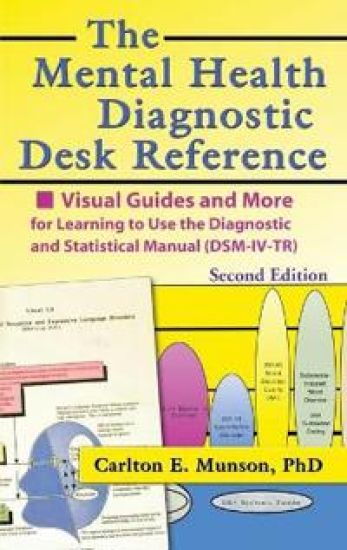
The Mental Health Diagnostic Desk Reference

The Mental Health Diagnostic Desk Reference

Carlton Munson

Routledge Member of the Taylor and Francis Group
2001
sidottu
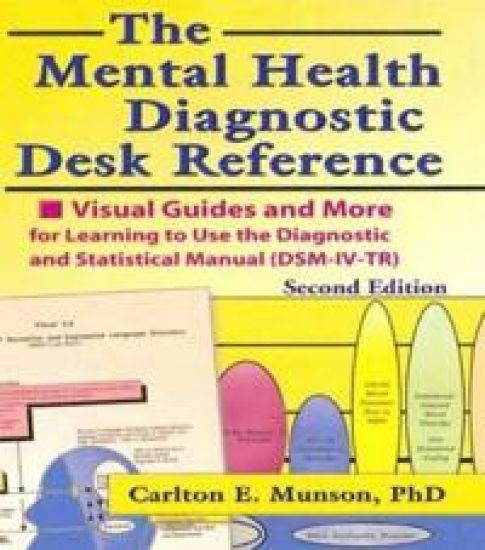
Make the DSM-IV-TR user-friendly with this powerful learning tool! This expanded and updated edition of Dr. Munson's highly acclaimed book is the indispensable companion volume and guide to Diagnostic and Statistical Manual of Mental Disorders, Fourth Edition-Text Revision (DSM-IV-TR), published by the American Psychiatric Association. The only study guide currently available for the DSM-IV-TR, The Mental Health Diagnostic Desk Reference, Second Edition, provides clear, cogent expositions of every disorder in the manual. All the information in this edition has been updated to reflect the new thinking and the current criteria. Easy to use in a consistent, all-inclusive format, The Mental Health Diagnostic Desk Reference, Second Edition, offers a detailed explanation of every part of the DSM-IV-TR, from its multi-axial classification system to the criteria for diagnosing individual disorders. It offers guidelines of diagnosis, examples of treatment planning, and 81 helpful illustrations, including color-coded supplemental visuals highlighting the diagnostic criteria for disorders most frequently encountered in clinical practice. It even features a thorough review of the 26 syndromes considered for inclusion in the DSM-IV-TR that did not reach the research criteria for a full-scale disorder. In addition, The Mental Health Diagnostic Desk Reference, Second Edition, is the only guide to applying the new culture-bound syndromes. It even includes a detailed case example of preparing a cultural formulation. References are provided at the end of each chapter, and a master reference list is printed at the end of the book, which enhances ease of use. Summaries for each class of disorders include: a listing of codes and disorders a fundamental features section describing core aspects of disorders brief tips to highlight significant information and helpful diagnostic techniques differential diagnosis strategies and tips standardized measures and scales recommended for their effectiveness, ease of use, brevity of administration, and cost recommended readingWritten by nationally respected clinician, supervisor, and educator Dr. Carlton Munson, The Mental Health Diagnostic Desk Reference, Second Edition, will help end clinical gridlock and enable you to improve services to your clients within the context of managed care.
The Mental Health Diagnostic Desk Reference

The Mental Health Diagnostic Desk Reference

Carlton Munson

Routledge Member of the Taylor and Francis Group
2001
nidottu
Make the DSM-IV-TR user-friendly with this powerful learning tool! This expanded and updated edition of Dr. Munson's highly acclaimed book is the indispensable companion volume and guide to Diagnostic and Statistical Manual of Mental Disorders, Fourth Edition-Text Revision (DSM-IV-TR), published by the American Psychiatric Association. The only study guide currently available for the DSM-IV-TR, The Mental Health Diagnostic Desk Reference, Second Edition, provides clear, cogent expositions of every disorder in the manual. All the information in this edition has been updated to reflect the new thinking and the current criteria. Easy to use in a consistent, all-inclusive format, The Mental Health Diagnostic Desk Reference, Second Edition, offers a detailed explanation of every part of the DSM-IV-TR, from its multi-axial classification system to the criteria for diagnosing individual disorders. It offers guidelines of diagnosis, examples of treatment planning, and 81 helpful illustrations, including color-coded supplemental visuals highlighting the diagnostic criteria for disorders most frequently encountered in clinical practice. It even features a thorough review of the 26 syndromes considered for inclusion in the DSM-IV-TR that did not reach the research criteria for a full-scale disorder. In addition, The Mental Health Diagnostic Desk Reference, Second Edition, is the only guide to applying the new culture-bound syndromes. It even includes a detailed case example of preparing a cultural formulation. References are provided at the end of each chapter, and a master reference list is printed at the end of the book, which enhances ease of use. Summaries for each class of disorders include: a listing of codes and disorders a fundamental features section describing core aspects of disorders brief tips to highlight significant information and helpful diagnostic techniques differential diagnosis strategies and tips standardized measures and scales recommended for their effectiveness, ease of use, brevity of administration, and cost recommended readingWritten by nationally respected clinician, supervisor, and educator Dr. Carlton Munson, The Mental Health Diagnostic Desk Reference, Second Edition, will help end clinical gridlock and enable you to improve services to your clients within the context of managed care.
Negotiating a Good Death

Negotiating a Good Death

Joan K Parry; Carlton Munson

Routledge Member of the Taylor and Francis Group
2000
nidottu
Social Work Theory and Practice with the Terminally Ill, second edition, takes a compassionate look at ways that social workers can help dying people and their families. The social workers who work most effectively with terminally ill patients and their families are the ones who best understand the multifaceted nature of the dying process and its impact on the the patient, the family, and even on the health care professionals who work with patients at the end of life. Dr. Parry--who specializes in dying and bereavement--offers astute observations on the stages of dealing with the diagnosis of a terminal illness and the impending death that patients and their families confront. This updated second edition provides valuable new information on ways that social workers can help those with AIDS and their families, on traumatic death from any cause, and on the grieving processes of parents. Social Work Theory and Practice with the Terminally Ill, second edition, also includes stimulating discussions on:the interdisciplinary health team the grieving process professional burnout how social workers adapt to working with dying patients euthanasia and physician-assisted dying living wills and patients’rightsIn touching case studies, this volume illustrates the particular needs and concerns of the terminally ill and their families--impending losses, financial worries, job concerns, pain, unfinished business, and spiritual needs--and reviews successful interventions used by social workers to help patients and their families work through the dying process.
Negotiating a Good Death

Negotiating a Good Death

Joan K Parry; Carlton Munson

Routledge Member of the Taylor and Francis Group
2000
sidottu
Social Work Theory and Practice with the Terminally Ill, second edition, takes a compassionate look at ways that social workers can help dying people and their families. The social workers who work most effectively with terminally ill patients and their families are the ones who best understand the multifaceted nature of the dying process and its impact on the the patient, the family, and even on the health care professionals who work with patients at the end of life. Dr. Parry--who specializes in dying and bereavement--offers astute observations on the stages of dealing with the diagnosis of a terminal illness and the impending death that patients and their families confront. This updated second edition provides valuable new information on ways that social workers can help those with AIDS and their families, on traumatic death from any cause, and on the grieving processes of parents. Social Work Theory and Practice with the Terminally Ill, second edition, also includes stimulating discussions on:the interdisciplinary health team the grieving process professional burnout how social workers adapt to working with dying patients euthanasia and physician-assisted dying living wills and patients’rightsIn touching case studies, this volume illustrates the particular needs and concerns of the terminally ill and their families--impending losses, financial worries, job concerns, pain, unfinished business, and spiritual needs--and reviews successful interventions used by social workers to help patients and their families work through the dying process.
Social Work Practice in the Military

Social Work Practice in the Military

Carlton Munson; James G Daley

Routledge Member of the Taylor and Francis Group
2000
nidottu
Social Work Practice in the Military provides military social workers, military scholars, and civilian social workers with an overview of diverse practice settings as well as the history and future of military social work practice to give you an understanding of the military persona as an ethnic identity. This unique book provides in-depth coverage of issues such as family violence, substance abuse, medical social work, combat settings, ethical dilemmas, managed care's impact on the military, and much more. Social Work Practice in the Military is an essential guide for anyone working with military clients, families of military personnel, or near a military installation. This valuable book contains input from top current and past leaders within the ranks of military social workers to bring you a wide spectrum of firsthand ideas and input to help you better assist your military clients. Social Work Practice in the Military will help you better understand the diversity of social work practice within the military and the many unique situations a military social worker must face. This informative book will provide you with specific ways of improving the lives of your military clients and their families, such as:understanding how the most rapidly expanding arena of practice, family advocacy, which includes a broad array of family violence prevention and intervention services, can help military clients learning how TRICARE, the military managed health care program, impacts military families and social workers in order to provide your clients with the best care while working within the limited budget of a managed care program analyzing the historical discussions of the changing view of substance abuse treatment within the military and how you can best provide effective, multilevel services to your clients examining the extensive involvement of military social workers in a myriad of medical social work programs serving patients and families to help you offer the best patient care in situations involving domestic violence and drug abuse discovering essential skills for military social workers, such as, effective involvement in combat or deployed situations Through Social Work Practice in the Military, you will better understand the importance of your many roles as clinician, advocate, policymaker, resource liaison, and organizational consultant and learn how to successfully accomplish every one of these roles. Containing insight into the future directions of practice, this valuable book will help you effectively assist military clients and their families with the various challenges they face.
Fundamentals of Cognitive-Behavior Therapy

Fundamentals of Cognitive-Behavior Therapy

Carlton Munson; Bill Borcherdt

Routledge Member of the Taylor and Francis Group
1999
nidottu
A central premise of cognitive-behavior therapy is that individuals bring themselves to their emotions and behavior by how they think. Fundamentals of Cognitive-Behavior Therapy helps therapists and counselors address the important questions of cognitive-behavior therapy--what to ask, how to respond to difficult exchanges with clients, and why to make chosen responses--and helps them get at the cognitive base of clients’emotional disturbances more quickly. The book is unique in that it presents more than a textbook approach to problemsolving; it provides a wealth of data and philosophy that enables clinicians to respond more helpfully to client problems. Readers of Fundamentals of Cognitive-Behavior Therapy learn what therapeutic questions to ask and what responses to give to psychotherapy clients’common difficult questions and statements in ways that better contribute to the long-range happiness and survival of the client. This insightful book encourages therapists to help clients help themselves by showing therapists effective, detailed, responses that help clients answer their own questions and come to their own conclusions about why they react certain ways to specific situations. Among the 164 troublesome client questions and statements to which Borcherdt offers rational responses are:“But I don't feel like it.” “I can't make a decision, because I don't know if it is the right one.” “Why won't things work out for me?” “I can't help it.” “I have so many problems and feelings that I don't know where to begin dealing with them.” “Why don't I change? Why do I keep goofing up?” “Whose side are you on anyway?” Through this detailed look at the therapist's role in heightening client awareness of self, Author Bill Borcherdt, who has thirty years’experience as a therapist, provides a storehouse of practical, hands-on tact and tactics which encourages a problem-solving focus while preventing conversational drifting. He gives readers insights on: basic principles of emotional reeducation and well-being psychotherapy as teaching overcoming emotional disturbance tendencies getting individuals to answer their own questions so they can expose their own potential solutions understanding and overcoming clients’resistance to change a client-centered method of problem-solving interviewingThe book illustrates that the primary medium of the therapist's influence is funneled through both direct questions asked of the client and through the therapist's responses to client questions and commentary. Suggested questions and responses in the book help practitioners prepare for interviews and better understand clients’resistance to change. Designed for students in training as well as the beginning or seasoned practitioner, Fundamentals of Cognitive-Behavior Therapy includes 172 rational questions and 164 rational responses, each with commentary that shows the clinical justifications for asking these questions and offering these responses. Social workers, psychologists, guidance counselors, psychiatrists, nurses in mental health settings, marital/family counselors, alcohol and other drug abuse counselors, and other human service professionals will find Fundamentals of Cognitive-Behavior Therapy filled with practical and insightful guidelines for better helping their psychotherapy clients.
Celebrating Diversity

Celebrating Diversity

Carlton Munson; B Harold Chetkow-Yanoov

Routledge Member of the Taylor and Francis Group
1999
nidottu
Celebrating Diversity: Coexisting in a Multicultural Society, offers pragmatic ways to replace conflictive behaviors between diverse peoples with coexistence alternatives. Coexistence-partnership values and skills help us to outgrow ways of the past--competition, suspicion, manipulation, isolation, victimization. These skills enhance our own lives as well as those of future generations. In Celebrating Diversity, author Benyamin Chetkow-Yanoov asserts that the increasing religious-ethnic-linguistic pluralisms of the twentieth century requires that we cease lumping people different from ourselves into an “other” category. He identifies classical elements of a coexistence model and suggests various strategies and tactics for implementing coexistence in modern societies. Among the many insights you will find are:the definition of coexistence an analysis of past patterns of majority-minority group relations, such as segregation, tolerance, and integration models of majority-minority relations, participation, and coexistence appropriate for the twenty-first century illustrations of the coexistence model through examples of places where it is flourishing action steps for leaders and citizens to put the idea of coexistence into practice a range of research findings that help us determine what is effective in promoting coexistenceIn the pages of Celebrating Diversity, you can learn social skills for preventing conflict escalation, for finding areas of common interest, and for working cooperatively. As more of us become informed about alternatives to violence, hopefully we can find ways to bring peace to areas of unrest, such as Algeria, Ireland, Israel, Nigeria, Rwanda, Serbia, or the former Soviet Union.
Social Work Practice in the Military

Social Work Practice in the Military

Carlton Munson; James G Daley

Routledge Member of the Taylor and Francis Group
1999
sidottu
Social Work Practice in the Military provides military social workers, military scholars, and civilian social workers with an overview of diverse practice settings as well as the history and future of military social work practice to give you an understanding of the military persona as an ethnic identity. This unique book provides in-depth coverage of issues such as family violence, substance abuse, medical social work, combat settings, ethical dilemmas, managed care's impact on the military, and much more. Social Work Practice in the Military is an essential guide for anyone working with military clients, families of military personnel, or near a military installation. This valuable book contains input from top current and past leaders within the ranks of military social workers to bring you a wide spectrum of firsthand ideas and input to help you better assist your military clients. Social Work Practice in the Military will help you better understand the diversity of social work practice within the military and the many unique situations a military social worker must face. This informative book will provide you with specific ways of improving the lives of your military clients and their families, such as:understanding how the most rapidly expanding arena of practice, family advocacy, which includes a broad array of family violence prevention and intervention services, can help military clients learning how TRICARE, the military managed health care program, impacts military families and social workers in order to provide your clients with the best care while working within the limited budget of a managed care program analyzing the historical discussions of the changing view of substance abuse treatment within the military and how you can best provide effective, multilevel services to your clients examining the extensive involvement of military social workers in a myriad of medical social work programs serving patients and families to help you offer the best patient care in situations involving domestic violence and drug abuse discovering essential skills for military social workers, such as, effective involvement in combat or deployed situations Through Social Work Practice in the Military, you will better understand the importance of your many roles as clinician, advocate, policymaker, resource liaison, and organizational consultant and learn how to successfully accomplish every one of these roles. Containing insight into the future directions of practice, this valuable book will help you effectively assist military clients and their families with the various challenges they face.
Celebrating Diversity

Celebrating Diversity

Carlton Munson; B Harold Chetkow-Yanoov

Routledge Member of the Taylor and Francis Group
1999
sidottu
Celebrating Diversity: Coexisting in a Multicultural Society, offers pragmatic ways to replace conflictive behaviors between diverse peoples with coexistence alternatives. Coexistence-partnership values and skills help us to outgrow ways of the past--competition, suspicion, manipulation, isolation, victimization. These skills enhance our own lives as well as those of future generations. In Celebrating Diversity, author Benyamin Chetkow-Yanoov asserts that the increasing religious-ethnic-linguistic pluralisms of the twentieth century requires that we cease lumping people different from ourselves into an “other” category. He identifies classical elements of a coexistence model and suggests various strategies and tactics for implementing coexistence in modern societies. Among the many insights you will find are:the definition of coexistence an analysis of past patterns of majority-minority group relations, such as segregation, tolerance, and integration models of majority-minority relations, participation, and coexistence appropriate for the twenty-first century illustrations of the coexistence model through examples of places where it is flourishing action steps for leaders and citizens to put the idea of coexistence into practice a range of research findings that help us determine what is effective in promoting coexistenceIn the pages of Celebrating Diversity, you can learn social skills for preventing conflict escalation, for finding areas of common interest, and for working cooperatively. As more of us become informed about alternatives to violence, hopefully we can find ways to bring peace to areas of unrest, such as Algeria, Ireland, Israel, Nigeria, Rwanda, Serbia, or the former Soviet Union.
The Relational Systems Model for Family Therapy

The Relational Systems Model for Family Therapy

Carlton Munson; D Ray Bardill

Routledge Member of the Taylor and Francis Group
1996
sidottu
The Relational Systems Model for Family Therapy presents a multi-systems approach to family therapy that teaches the therapist important self-differentiating capacities that set the tone for creating a powerful therapeutic atmosphere. While the model demands no specific treatment procedures, it does rely on the therapist’s capacity to adhere to its basic ideas, as she/he is the most vital factor in the model’s success. In The Relational Systems Model for Family Therapy, Author Donald R. Bardill encourages the therapist to be the learning vehicle for the integration of the four realities of life (self, other, context, spiritual) and the differentiating process that is necessary for human survival, safety, and growth. Understanding this model allows therapists to lead clients to heightened self-awareness and the realization of their human potential--both important factors for intellectual growth, emotional maturity, and problem solving. To this end, readers learn about:the self-differentiating therapist--the person-of-the-therapist is the crucial variable in an effective family treatment process the facing process--the client faces such issues as self-identity, life-purpose, thought and behavior patterns, emotionalized fears, and the future emotionalized right/wrong--focus is on consequences of actions rather than right/wrong judgments in relationship issues life stances--the uniqueness of the individual affects their connection to the life realities family grid--a way for the therapist to organize and talk about important family systems dynamics the therapeutic paradox--the client’s worldview is examined through the therapist’s worldview and a new worldview is formedThe Relational Systems Model for Family Therapy is an important handbook for practitioners and students in the fields of clinical social work, psychology, marriage and family therapy, mental health counseling, counseling psychology, pastoral counseling, and psychiatric nursing. The book is also useful as a supplemental text for advanced undergraduate classes and postgraduate seminars in family therapy and family counseling. The self-differentiation nature of the content also lends this book useful to self-help readers.
The Relational Systems Model for Family Therapy

The Relational Systems Model for Family Therapy

Carlton Munson; D Ray Bardill

Routledge Member of the Taylor and Francis Group
1996
nidottu
The Relational Systems Model for Family Therapy presents a multi-systems approach to family therapy that teaches the therapist important self-differentiating capacities that set the tone for creating a powerful therapeutic atmosphere. While the model demands no specific treatment procedures, it does rely on the therapist’s capacity to adhere to its basic ideas, as she/he is the most vital factor in the model’s success. In The Relational Systems Model for Family Therapy, Author Donald R. Bardill encourages the therapist to be the learning vehicle for the integration of the four realities of life (self, other, context, spiritual) and the differentiating process that is necessary for human survival, safety, and growth. Understanding this model allows therapists to lead clients to heightened self-awareness and the realization of their human potential--both important factors for intellectual growth, emotional maturity, and problem solving. To this end, readers learn about:the self-differentiating therapist--the person-of-the-therapist is the crucial variable in an effective family treatment process the facing process--the client faces such issues as self-identity, life-purpose, thought and behavior patterns, emotionalized fears, and the future emotionalized right/wrong--focus is on consequences of actions rather than right/wrong judgments in relationship issues life stances--the uniqueness of the individual affects their connection to the life realities family grid--a way for the therapist to organize and talk about important family systems dynamics the therapeutic paradox--the client’s worldview is examined through the therapist’s worldview and a new worldview is formedThe Relational Systems Model for Family Therapy is an important handbook for practitioners and students in the fields of clinical social work, psychology, marriage and family therapy, mental health counseling, counseling psychology, pastoral counseling, and psychiatric nursing. The book is also useful as a supplemental text for advanced undergraduate classes and postgraduate seminars in family therapy and family counseling. The self-differentiation nature of the content also lends this book useful to self-help readers.
Fundamentals of Cognitive-Behavior Therapy

Fundamentals of Cognitive-Behavior Therapy

Carlton Munson; Bill Borcherdt

Routledge Member of the Taylor and Francis Group
1996
sidottu
A central premise of cognitive-behavior therapy is that individuals bring themselves to their emotions and behavior by how they think. Fundamentals of Cognitive-Behavior Therapy helps therapists and counselors address the important questions of cognitive-behavior therapy--what to ask, how to respond to difficult exchanges with clients, and why to make chosen responses--and helps them get at the cognitive base of clients’emotional disturbances more quickly. The book is unique in that it presents more than a textbook approach to problemsolving; it provides a wealth of data and philosophy that enables clinicians to respond more helpfully to client problems. Readers of Fundamentals of Cognitive-Behavior Therapy learn what therapeutic questions to ask and what responses to give to psychotherapy clients’common difficult questions and statements in ways that better contribute to the long-range happiness and survival of the client. This insightful book encourages therapists to help clients help themselves by showing therapists effective, detailed, responses that help clients answer their own questions and come to their own conclusions about why they react certain ways to specific situations. Among the 164 troublesome client questions and statements to which Borcherdt offers rational responses are:“But I don't feel like it.” “I can't make a decision, because I don't know if it is the right one.” “Why won't things work out for me?” “I can't help it.” “I have so many problems and feelings that I don't know where to begin dealing with them.” “Why don't I change? Why do I keep goofing up?” “Whose side are you on anyway?” Through this detailed look at the therapist's role in heightening client awareness of self, Author Bill Borcherdt, who has thirty years’experience as a therapist, provides a storehouse of practical, hands-on tact and tactics which encourages a problem-solving focus while preventing conversational drifting. He gives readers insights on: basic principles of emotional reeducation and well-being psychotherapy as teaching overcoming emotional disturbance tendencies getting individuals to answer their own questions so they can expose their own potential solutions understanding and overcoming clients’resistance to change a client-centered method of problem-solving interviewingThe book illustrates that the primary medium of the therapist's influence is funneled through both direct questions asked of the client and through the therapist's responses to client questions and commentary. Suggested questions and responses in the book help practitioners prepare for interviews and better understand clients’resistance to change. Designed for students in training as well as the beginning or seasoned practitioner, Fundamentals of Cognitive-Behavior Therapy includes 172 rational questions and 164 rational responses, each with commentary that shows the clinical justifications for asking these questions and offering these responses. Social workers, psychologists, guidance counselors, psychiatrists, nurses in mental health settings, marital/family counselors, alcohol and other drug abuse counselors, and other human service professionals will find Fundamentals of Cognitive-Behavior Therapy filled with practical and insightful guidelines for better helping their psychotherapy clients.