
Kirjailija
Charles Dickens
Kirjat ja teokset yhdessä paikassa: 4 944 kirjaa, julkaisuja vuosilta 1843–2027, suosituimpiin kuuluu Saiturin joulu. Vertaile teosten hintoja ja tarkista saatavuus suomalaisista kirjakaupoista.
Nimi esiintyy myös muodoissa: Charles Dickens.
4 944 kirjaa
Kirjojen julkaisuvuodet: 1843–2027.
George Silverman's Explanation
Charles Dickens
Createspace Independent Publishing Platform
2012
nidottu
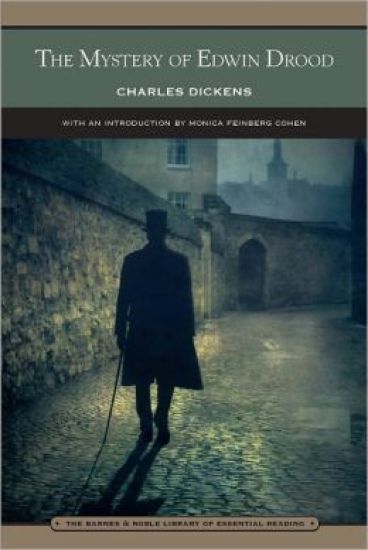
Did Edwin Drood simply vanish into the night on Christmas Eve, or was he murdered with a black silk scarf by his uncle Jasper? Or was he possibly done in with a walking stick, brandished by one Neville Landless? It has only been a few months since John Jasper, the choirmaster at Cloisterham Cathedral, stepped from his favorite opium den to pay a visit to his nephew Edwin. Edwin, it seems, is contemplating ending his arranged engagement to Rosa Bud. The neglected bride-to-be, however, has two other admirers: Rosa’s frightening choirmaster, the very same uncle Jasper, and her best friend Helena’s volatile twin, Neville Landless. With both John and Neville toting possible murder weapons to Christmas dinner at the Landless’ home, Dickens’ greatest unsolved mystery heats up fast. Alas, The Mystery of Edwin Drood was left unfinished at Dickens’ death in 1870, compelling generations of readers to rummage among the scant clues—and a large cast of sinister and comic characters—to deduce Edwin’s killer for themselves. If, that is, Dickens ever intended him to be murdered at all.
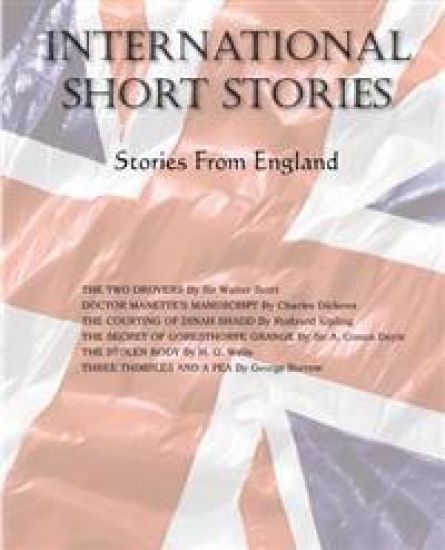
International Short Stories from England
Walter Scott; Charles Dickens; H G Wells
Bottom of the Hill Publishing
2012
pokkari

Charles Dickens' Short Stories
Guillermo Ramirez; Charles Dickens
Createspace Independent Publishing Platform
2012
nidottu
A new way for young people to enjoy Charles Dickens' stories. The collection includes: "Sunday Under Three Heads" (1836); "The Lamplighter" (1838); "To be Read at Dusk" (1852); "Hunted Down" (1859); "The Signal-Man" (1866); "George Silverman's Explanation" (1868); "Holiday Romance" (1868)
Historias de Fantasmas recoge una docena de cuentos escritos por Dickens a lo largo de su vida, y que aparecieron publicados en diferentes revistas y diarios. Todos estos cuentos, como el t tulo de libro indica, son historia de aparecidos y muertos vivientes, que se mezclan con personajes raros. Estas narraciones contienen suspenso y un poco del estilo literario detectivesco. Son cuentos llenos de misterio, sorpresa y pasi n, escritos todos con la habitual maestr a y oficio que caracterizan a Charles Dickens.

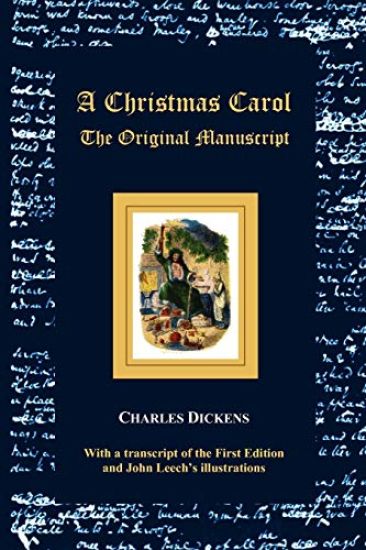
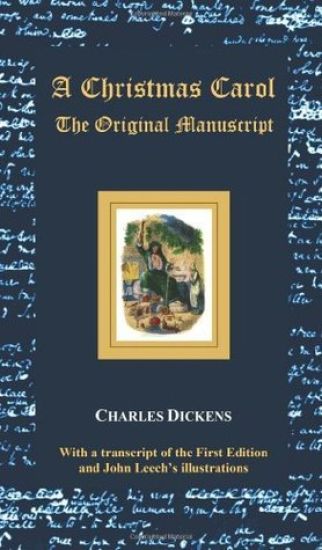
A Christmas Carol - The Original Manuscript - with Original Illustrations
Charles Dickens
Benediction Classics
2012
pokkari
Halvin toimitettuna 17,80 €
A Christmas Carol - The Original Manuscript - with Original Illustrations
Charles Dickens
BENEDICTION CLASSICS
2012
sidottu
A UNIQUE BOOK -- Dickens' original handwritten manuscript of A Christmas Carol together with a typed text on the opposite page." Its impressive eloquence, its unfeigned lightness of heart, its playful and sparkling humour, its gentle spirit of humanity" all put the reader "in good humour with ourselves, with each other, with the season and with the author." -- The Illustrated London News A Christmas Carol was "a national benefit and to every man or woman who reads it, a personal kindness." - Thackeray Charles Dickens wrote A Christmas Carol in six weeks, at the end of 1843, during a particularly intense time of creativity. He was suffering financial difficulties and was determined to have the manuscript ready for publication for the Christmas market. This book contains a clear copy of Dickens' one and only handwritten manuscript, with his revisions and corrections evident on every page. The revisions show how Dickens made the verbs become more active and reduced the number of words, thereby achieving greater immediacy and vividness. The manuscript was published on 19th December, 1843, and sold out on Christmas Eve, 1843. This edition has each of the sixty-six pages of the original handwritten manuscript on the left-hand page and the corresponding words typed on the right-hand page. The book contains the eight original illustrations by John Leech. Charles Dickens (1812-1870) is generally considered the greatest English novelist of the Victorian era. At the centenary of his death, critical opinion placed him second only to Shakespeare. His many novels include David Copperfield, Bleak House, A Tale of Two Cities, Great Expectations, and Our Mutual Friend. Dickens enjoyed a wider popularity during his lifetime than any other author had. His work appealed to both the simple and the sophisticated and he rapidly achieved worldwide fame. His vividly detailed writing, his compassion, and his forensic depiction of his society and its shortcomings enriched his novels and made him both one of the great forces in nineteenth century literature and the conscience of his age.
The shortest of Charles Dickens's novels, Hard Times is also his most pointed and impassioned satire of social injustice. Set in Coketown, a fictional industrial town in the north of England, Hard Times was born of its author's indignation at the soul-crushing conditions of the industrial age, and yet it vibrantly transcends the stock situations and polemical weaknesses typical of social protest fiction of the time. The indelible characters--Mr. Gradgrind, whose utilitarian educational philosophy emotionally cripples his own children; the hypocritical factory owner Josiah Bounderby; Stephen Blackpool, an honest worker wrongly accused of a crime; and Sissy Jupe, a circus performer whose father abandons her to what he hopes is a better life--all come alive in classic Dickensian fashion, and contribute to a satiric vision of society tempered equally by righteous anger and compassionate humanity.
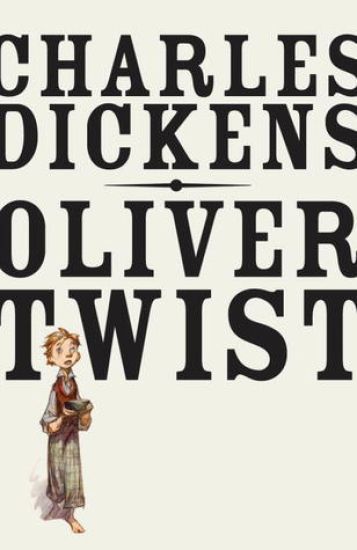
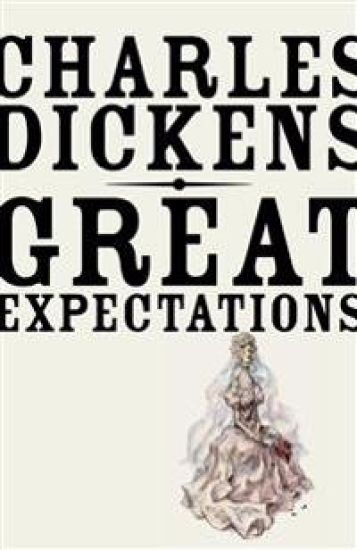
One of Charles Dickens's most fascinating novels, Great Expectations follows the orphan Pip as he leaves behind a childhood of misery and poverty after an anonymous benefactor offers him a chance at the life of a gentleman. From young Pip's first terrifying encounter with the convict Magwitch in the gloom of a graveyard to the splendidly morbid set pieces in Miss Havisham's mansion to the magnificently realized boat chase down the Thames, the novel is filled with the transcendent excitement that Dickens could so abundantly provide. Written in 1860 at the height of his maturity, it also reveals the novelist's bittersweet understanding of the extent to which our deepest moral dilemmas are born of our own obsessions and illusions.