
Kirjailija
Charles Dickens
Kirjat ja teokset yhdessä paikassa: 4 944 kirjaa, julkaisuja vuosilta 1843–2027, suosituimpiin kuuluu Saiturin joulu. Vertaile teosten hintoja ja tarkista saatavuus suomalaisista kirjakaupoista.
Nimi esiintyy myös muodoissa: Charles Dickens.
4 944 kirjaa
Kirjojen julkaisuvuodet: 1843–2027.
"Dombey and Son" is a novel by English author Charles Dickens, originally published as a serial between 1846 and 1848. The story revolves around the owner of a shipping company who is disgruntled by his lack of a male heir, rejecting his daughter and her love until reconciliating shortly before her death. Including many common Dickensian themes such as betrayal, deceit, class, arranged marriage and child cruelty, "Dombey and Son" is not to be missed by fans of Dickens's work and Victorian literature in general. Charles John Huffam Dickens (1812-1870) was an English writer and social critic famous for having created some of the world's most well-known fictional characters. His works became unprecedentedly popular during his life, and today he is commonly regarded as the greatest Victorian-era novelist. Although perhaps better known for such works as "Oliver Twist" or "A Christmas Carol", Dickens first gained success with the 1836 serial publication of "The Pickwick Papers", which turned him almost overnight into an international literary celebrity thanks to his humour, satire, and astute observations concerning society and character. "Hard Times" constitutes a must-read for Dickens fans and deserves a place on every bookshelf. This classic work is being republished now in a new edition complete with an introductory chapter from "Appreciations and Criticisms of the Works of Charles Dickens" by G. K. Chesterton.
Originally published as a 20-episode serial between March 1852 and September 1853, "Bleak House" is a novel by English author Charles Dickens. The story centres around Esther Summerson, the novel's heroine and omniscient narrator, and a long-running legal case in the Court of Chancery which arises as a result of conflicting wills. Though brimming with arguably exaggerated satire, "Bleak House" helped further a judicial reform movement which led to legal reform in the 1870s. A classic example of Dickens's much-celebrated literature not to be missed by fans and collectors of his timeless work. Charles John Huffam Dickens (1812-1870) was an English writer and social critic famous for having created some of the world's most well-known fictional characters. His works became unprecedentedly popular during his life, and today he is commonly regarded as the greatest Victorian-era novelist. Although perhaps better known for such works as "Oliver Twist" or "A Christmas Carol", Dickens first gained success with the 1836 serial publication of "The Pickwick Papers", which turned him almost overnight into an international literary celebrity thanks to his humour, satire, and astute observations concerning society and character. This classic work is being republished now in a new edition complete with an introductory chapter from "Appreciations and Criticisms of the Works of Charles Dickens" by G. K. Chesterton.
The tenth novel written by Dickens, "Hard Times" was first published in 1854. The story is set in the fictitious Victorian industrial mill-town of Coketown and examines English society while satirising the social and economic conditions of the era. Charles John Huffam Dickens (1812-1870) was an English writer and social critic famous for having created some of the world's most well-known fictional characters. His works became unprecedentedly popular during his life, and today he is commonly regarded as the greatest Victorian-era novelist. Although perhaps better known for such works as "Oliver Twist" or "A Christmas Carol", Dickens first gained success with the 1836 serial publication of "The Pickwick Papers", which turned him almost overnight into an international literary celebrity thanks to his humour, satire, and astute observations concerning society and character. This classic work is being republished now in a new edition complete with an introductory chapter from "Appreciations and Criticisms of the Works of Charles Dickens" by G. K. Chesterton.

On Christmas Eve, around 1812, Pip, an orphan who is about seven years old, encounters an escaped convict in the village churchyard, while visiting the graves of his parents and siblings. Pip now lives with his abusive elder sister and her kind husband Joe Gargery, a blacksmith. The convict scares Pip into stealing food and a file. Early on Christmas morning Pip returns with the file, a pie and brandy. During Christmas Dinner that evening, at the moment Pip's theft is about to be discovered, soldiers arrive and ask Joe to repair some shackles. Joe and Pip accompany them as they recapture the convict who is fighting with another escaped convict. The first convict confesses to stealing food from the smithy. A year or two later, Miss Havisham, a wealthy spinster who still wears her old wedding dress and lives as a recluse in the dilapidated Satis House, asks Mr Pumblechook, a relation of the Gargery's, to find a boy to visit her. Pip visits Miss Havisham and falls in love with her adopted daughter Estella. Estella remains aloof and hostile to Pip, which Miss Havisham encourages. Pip visits Miss Havisham regularly, until he is old enough to learn a trade. Gathered around the fire at the Maypole Inn, in the village of Chigwell, on an evening of foul weather in the year 1775, are John Willet, proprietor of the Maypole, and his three cronies. One of the three, Solomon Daisy, tells an ill-kempt stranger at the inn a well-known local tale of the murder of Reuben Haredale which had occurred 22 years earlier on that very day. Reuben had been the owner of the Warren, a local estate which is now the residence of Geoffrey, the deceased Reuben's brother, and Geoffrey's niece, Reuben's daughter Emma Haredale. After the murder, Reuben's gardener and steward went missing and were suspects in the crime. A body was later found and identified as that of the steward, so the gardener was assumed to be the murderer. Joe Willet, son of the Maypole proprietor, quarrels with his father because John treats 20-year-old Joe as a child. Finally having had enough of this ill-treatment, Joe leaves the Maypole and goes for a soldier, stopping to say goodbye to the woman he loves, Dolly Varden, daughter of London locksmith Gabriel Varden. Meanwhile, Edward Chester is in love with Emma Haredale. Both Edward's father, John Chester, and Emma's uncle, the Catholic Geoffrey Haredale - these two are sworn enemies - oppose the union after Sir John untruthfully convinces Geoffrey that Edward's intentions are dishonourable. Sir John intends to marry Edward to a woman with a rich inheritance, to support John's expensive lifestyle and to pay off his debtors. Edward quarrels with his father and leaves home for the West Indies. Barnaby Rudge, a simpleton, 4] wanders in and out of the story with his pet raven, Grip. Barnaby's mother begins to receive visits from the ill-kempt stranger, whom she feels compelled to protect. She later gives up the annuity she had been receiving from Geoffrey Haredale and, without explanation, takes Barnaby and leaves the city hoping to escape the unwanted visitor. The novel was originally published in monthly instalments in the magazine Bentley's Miscellany, from February 1837 to April 1839. It was originally intended to form part of Dickens's serial, The Mudfog Papers. George Cruikshank provided one steel etching per month to illustrate each instalment. The novel first appeared in book form six months before the initial serialisation was completed, in three volumes published by Richard Bentley, the owner of Bentley's Miscellany, under the author's pseudonym, "Boz". It included 24 steel-engraved plates by Cruikshank.
Commonly hailed as his masterpiece and his own personal favourite, Dickens's novel "David Copperfield" was first published as a serial in 1849-50 and as a book in 1850. The story revolves around the titular character and spans his growth from infancy to maturity, chronicling the people and places of his life as he develops as a person. A must-read for fans of Dickens's work and well deserving of a place on every bookshelf. Charles John Huffam Dickens (1812-1870) was an English writer and social critic famous for having created some of the world's most well-known fictional characters. His works became unprecedentedly popular during his life, and today he is commonly regarded as the greatest Victorian-era novelist. Although perhaps better known for such works as "Oliver Twist" or "A Christmas Carol", Dickens first gained success with the 1836 serial publication of "The Pickwick Papers", which turned him almost overnight into an international literary celebrity thanks to his humour, satire, and astute observations concerning society and character. This classic work is being republished now in a new edition complete with an introductory chapter from "Appreciations and Criticisms of the Works of Charles Dickens" by G. K. Chesterton.
First published in 1846, Charles Dickens's novella "The Battle of Life: A Love Story" is the fourth of his five "Christmas Books", published between "The Cricket on the Hearth" and "The Haunted Man". The only of the five to not contain any supernatural or overt religious reference, it focuses on Grace and Marion, two sisters who are driven apart only to be reunited once more. Dickens's Christmas novels perfectly enraptured the spirit of the Victorian Christmas revival and even inspired a number of traditional aspects of the holiday, including seasonal food and drink, family gatherings, dancing, and more. Charles John Huffam Dickens (1812-1870) was an English writer and social critic famous for having created some of the world's most well-known fictional characters. His works became unprecedentedly popular during his life, and today he is commonly regarded as the greatest Victorian-era novelist thanks to his humour, satire, and astute observations concerning society and character. This classic work is being republished now in a new edition complete with a specially-commissioned new biography of the author.

Great Expectations, Oliver Twist; or, the Parish Boy's Progress & Barnaby Rudge
Charles Dickens
Throne Classics
2020
nidottu
On Christmas Eve, around 1812, Pip, an orphan who is about seven years old, encounters an escaped convict in the village churchyard, while visiting the graves of his parents and siblings. Pip now lives with his abusive elder sister and her kind husband Joe Gargery, a blacksmith. The convict scares Pip into stealing food and a file. Early on Christmas morning Pip returns with the file, a pie and brandy. During Christmas Dinner that evening, at the moment Pip's theft is about to be discovered, soldiers arrive and ask Joe to repair some shackles. Joe and Pip accompany them as they recapture the convict who is fighting with another escaped convict. The first convict confesses to stealing food from the smithy. A year or two later, Miss Havisham, a wealthy spinster who still wears her old wedding dress and lives as a recluse in the dilapidated Satis House, asks Mr Pumblechook, a relation of the Gargery's, to find a boy to visit her. Pip visits Miss Havisham and falls in love with her adopted daughter Estella. Estella remains aloof and hostile to Pip, which Miss Havisham encourages. Pip visits Miss Havisham regularly, until he is old enough to learn a trade. Joe accompanies Pip for the last visit, when she gives the money for Pip to be bound as apprentice blacksmith. Joe's surly assistant, Dolge Orlick, is envious of Pip and dislikes Mrs Joe. When Pip and Joe are away from the house, Mrs Joe is brutally attacked, leaving her unable to speak or do her work. Orlick is suspected of the attack. Mrs Joe becomes kind-hearted after the attack. Pip's former schoolmate Biddy joins the household to help with her care. The novel was originally published in monthly instalments in the magazine Bentley's Miscellany, from February 1837 to April 1839. It was originally intended to form part of Dickens's serial, The Mudfog Papers. George Cruikshank provided one steel etching per month to illustrate each instalment. The novel first appeared in book form six months before the initial serialisation was completed, in three volumes published by Richard Bentley, the owner of Bentley's Miscellany, under the author's pseudonym, "Boz". It included 24 steel-engraved plates by Cruikshank. Gathered around the fire at the Maypole Inn, in the village of Chigwell, on an evening of foul weather in the year 1775, are John Willet, proprietor of the Maypole, and his three cronies. One of the three, Solomon Daisy, tells an ill-kempt stranger at the inn a well-known local tale of the murder of Reuben Haredale which had occurred 22 years earlier on that very day. Reuben had been the owner of the Warren, a local estate which is now the residence of Geoffrey, the deceased Reuben's brother, and Geoffrey's niece, Reuben's daughter Emma Haredale. After the murder, Reuben's gardener and steward went missing and were suspects in the crime. A body was later found and identified as that of the steward, so the gardener was assumed to be the murderer. Joe Willet, son of the Maypole proprietor, quarrels with his father because John treats 20-year-old Joe as a child. Finally having had enough of this ill-treatment, Joe leaves the Maypole and goes for a soldier, stopping to say goodbye to the woman he loves, Dolly Varden, daughter of London locksmith Gabriel Varden. Meanwhile, Edward Chester is in love with Emma Haredale. Both Edward's father, John Chester, and Emma's uncle, the Catholic Geoffrey Haredale - these two are sworn enemies - oppose the union after Sir John untruthfully convinces Geoffrey that Edward's intentions are dishonourable. Sir John intends to marry Edward to a woman with a rich inheritance, to support John's expensive lifestyle and to pay off his debtors. Edward quarrels with his father and leaves home for the West Indies.

Great Expectations, Oliver Twist; or, the Parish Boy's Progress & Barnaby Rudge
Charles Dickens
Throne Classics
2020
sidottu
On Christmas Eve, around 1812, Pip, an orphan who is about seven years old, encounters an escaped convict in the village churchyard, while visiting the graves of his parents and siblings. Pip now lives with his abusive elder sister and her kind husband Joe Gargery, a blacksmith. The convict scares Pip into stealing food and a file. Early on Christmas morning Pip returns with the file, a pie and brandy. During Christmas Dinner that evening, at the moment Pip's theft is about to be discovered, soldiers arrive and ask Joe to repair some shackles. Joe and Pip accompany them as they recapture the convict who is fighting with another escaped convict. The first convict confesses to stealing food from the smithy. A year or two later, Miss Havisham, a wealthy spinster who still wears her old wedding dress and lives as a recluse in the dilapidated Satis House, asks Mr Pumblechook, a relation of the Gargery's, to find a boy to visit her. Pip visits Miss Havisham and falls in love with her adopted daughter Estella. Estella remains aloof and hostile to Pip, which Miss Havisham encourages. Pip visits Miss Havisham regularly, until he is old enough to learn a trade. Joe accompanies Pip for the last visit, when she gives the money for Pip to be bound as apprentice blacksmith. Joe's surly assistant, Dolge Orlick, is envious of Pip and dislikes Mrs Joe. When Pip and Joe are away from the house, Mrs Joe is brutally attacked, leaving her unable to speak or do her work. Orlick is suspected of the attack. Mrs Joe becomes kind-hearted after the attack. Pip's former schoolmate Biddy joins the household to help with her care. The novel was originally published in monthly instalments in the magazine Bentley's Miscellany, from February 1837 to April 1839. It was originally intended to form part of Dickens's serial, The Mudfog Papers. George Cruikshank provided one steel etching per month to illustrate each instalment. The novel first appeared in book form six months before the initial serialisation was completed, in three volumes published by Richard Bentley, the owner of Bentley's Miscellany, under the author's pseudonym, "Boz". It included 24 steel-engraved plates by Cruikshank. Gathered around the fire at the Maypole Inn, in the village of Chigwell, on an evening of foul weather in the year 1775, are John Willet, proprietor of the Maypole, and his three cronies. One of the three, Solomon Daisy, tells an ill-kempt stranger at the inn a well-known local tale of the murder of Reuben Haredale which had occurred 22 years earlier on that very day. Reuben had been the owner of the Warren, a local estate which is now the residence of Geoffrey, the deceased Reuben's brother, and Geoffrey's niece, Reuben's daughter Emma Haredale. After the murder, Reuben's gardener and steward went missing and were suspects in the crime. A body was later found and identified as that of the steward, so the gardener was assumed to be the murderer. Joe Willet, son of the Maypole proprietor, quarrels with his father because John treats 20-year-old Joe as a child. Finally having had enough of this ill-treatment, Joe leaves the Maypole and goes for a soldier, stopping to say goodbye to the woman he loves, Dolly Varden, daughter of London locksmith Gabriel Varden. Meanwhile, Edward Chester is in love with Emma Haredale. Both Edward's father, John Chester, and Emma's uncle, the Catholic Geoffrey Haredale - these two are sworn enemies - oppose the union after Sir John untruthfully convinces Geoffrey that Edward's intentions are dishonourable. Sir John intends to marry Edward to a woman with a rich inheritance, to support John's expensive lifestyle and to pay off his debtors. Edward quarrels with his father and leaves home for the West Indies.
Charles Dickens's last and unfinished novel, "The Mystery of Edwin Drood" was originally published in 1870. When Dickens died in 1870, just six of the intended twelve chapters had been completed, with no remaining plan or indication to how the story should continue. Despite this, numerous other writers have tried to complete the novel. The story revolves around the titular character's uncle, John Jasper, an opium addict and choirmaster who falls in love with his student and nephew's fianc e, Rosa Bud. Rosa, however, has also attracted the attention of one Neville Landless, whom Edwin immediately dislikes. Charles John Huffam Dickens (1812-1870) was an English writer and social critic famous for having created some of the world's most well-known fictional characters. His works became unprecedentedly popular during his life, and today he is commonly regarded as the greatest Victorian-era novelist. Although perhaps better known for such works as "Oliver Twist" or "A Christmas Carol", Dickens first gained success with the 1836 serial publication of "The Pickwick Papers", which turned him almost overnight into an international literary celebrity thanks to his humour, satire, and astute observations concerning society and character. This classic work is being republished now in a new edition complete with an introductory chapter from "Appreciations and Criticisms of the Works of Charles Dickens" by G. K. Chesterton.
The Life and Adventures of Martin Chuzzlewit
Charles Dickens; G K Chesterton
Read Co. Books
2020
sidottu
Considered to be the last picaresque novel he wrote, Charles Dickens's "The Life and Adventures of Martin Chuzzlewit" was originally published as a serial between 1842 and 1844. One of his lesser-known literary works, it follows the story of two brothers, Martin and Jonas Chuzzlewit, who are driven to a life of crime and degeneracy thanks to a seemingly inherited selfishness and stubbornness. "The Life and Adventures of Martin Chuzzlewit" is a classic of English literature that features some of the most memorable Dickensian villains. Charles John Huffam Dickens (1812-1870) was an English writer and social critic famous for having created some of the world's most well-known fictional characters. His works became unprecedentedly popular during his life, and today he is commonly regarded as the greatest Victorian-era novelist. Although perhaps better known for such works as "Great Expectations" or "A Christmas Carol", Dickens first gained success with the 1836 serial publication of "The Pickwick Papers", which turned him almost overnight into an international literary celebrity thanks to his humour, satire, and astute observations concerning society and character. This classic work is being republished now in a new edition complete with an introductory chapter from "Appreciations and Criticisms of the Works of Charles Dickens" by G. K. Chesterton.
Charles Dickens's first novel, "The Pickwick Papers" revolves around the novel's main character and founder of The Pickwick Club, Samuel Pickwick and his suggestion that he and other "Pickwickians" travel to locations outside of London and report their findings. A sequence of loosely related adventures set between 1827-8, it became the first real publishing phenomenon and is responsible for catapulting Dickens into international fame. A classic example of Dickens's acclaimed fiction not to be missed by fans and collectors of his seminal work. Charles John Huffam Dickens (1812-1870) was an English writer and social critic famous for having created some of the world's most well-known fictional characters. His works became unprecedentedly popular during his life, and today he is commonly regarded as the greatest Victorian-era novelist thanks to his humour, satire, and astute observations concerning society and character. This classic work is being republished now in a new edition complete with an introductory chapter from "Appreciations and Criticisms of the Works of Charles Dickens" by G. K. Chesterton.
First published in 1846, Charles Dickens's novella "The Battle of Life: A Love Story" is the fourth of his five "Christmas Books", published between "The Cricket on the Hearth" and "The Haunted Man". The only of the five to not contain any supernatural or overt religious reference, it focuses on Grace and Marion, two sisters who are driven apart only to be reunited once more. Dickens's Christmas novels perfectly enraptured the spirit of the Victorian Christmas revival and even inspired a number of traditional aspects of the holiday, including seasonal food and drink, family gatherings, dancing, and more. Charles John Huffam Dickens (1812-1870) was an English writer and social critic famous for having created some of the world's most well-known fictional characters. His works became unprecedentedly popular during his life, and today he is commonly regarded as the greatest Victorian-era novelist thanks to his humour, satire, and astute observations concerning society and character. This classic work is being republished now in a new edition complete with a specially-commissioned new biography of the author.
"Dickens on the Tories" contains a collection of verse satires by Charles Dickens related to the Tory party of the United Kingdom, whom he despised and abhorred. Displeased with their return to power, he originally considered standing for the Liberals before writing "The Fine Old English Gentleman", "The Quack Doctor's Proclamation", and "Subjects for Painters" to vent his anger. Also includes: "The British Lion a New Song but an Old Story", and "The Hymn of the Wiltshire Labourers" and an introductory chapter by F. G. Kitton. Charles John Huffam Dickens (1812-1870) was an English writer and social critic famous for having created some of the world's most well-known fictional characters. His works became unprecedentedly popular during his life, and today he is commonly regarded as the greatest Victorian-era novelist. Although perhaps better known for such works as "Oliver Twist" or "A Christmas Carol", Dickens first gained success with the 1836 serial publication of "The Pickwick Papers", which turned him almost overnight into an international literary celebrity thanks to his humour, satire, and astute observations concerning society and character.
The thirteenth and penultimate novel by Charles Dickens, "Great Expectations" chronicles the education of Pip, an orphan living in mid-nineteenth century London. Including such themes as wealth and poverty, love and rejection, and triumph over evil, this novel represents a classic example of Dickensian literature not to be missed by lovers of his work. Charles John Huffam Dickens (1812-1870) was an English writer and social critic famous for having created some of the world's most well-known fictional characters. His works became unprecedentedly popular during his life, and today he is commonly regarded as the greatest Victorian-era novelist. Although perhaps better known for such works as "Oliver Twist" or "A Christmas Carol", Dickens first gained success with the 1836 serial publication of "The Pickwick Papers", which turned him almost overnight into an international literary celebrity thanks to his humour, satire, and astute observations concerning society and character. This classic work is being republished now in a new edition complete with an introductory chapter from "Appreciations and Criticisms of the Works of Charles Dickens" by G. K. Chesterton.
Charles Dickens's last completed novel, "Our Mutual Friend" is the story of "Noddy" Boffin, a common clerk who becomes "the Golden Dustman" after he inherits a dust-heap where the aristocracy throw their refuge. A brutal satire and social analysis, "Our Mutual Friend" is a masterpiece that explores the allure and curse of money while demonstrating all the themes the author is famous for. Charles John Huffam Dickens (1812-1870) was an English writer and social critic famous for having created some of the world's most well-known fictional characters. His works became unprecedentedly popular during his life, and today he is commonly regarded as the greatest Victorian-era novelist. Although perhaps better known for such works as "Oliver Twist" or "A Christmas Carol", Dickens first gained success with the 1836 serial publication of "The Pickwick Papers", which turned him almost overnight into an international literary celebrity thanks to his humour, satire, and astute observations concerning society and character. This classic work is being republished now in a new edition complete with an introductory chapter from "Appreciations and Criticisms of the Works of Charles Dickens" by G. K. Chesterton.
Originally published as a serial from 1855 to 1857, Dickens's novel "Little Dorrit" tells the story of Amy Dorrit, the youngest child of her family born and raised in a debtors prison whose life is changed when she meets Arthur Clennam, returning home from a 20-year absence. "Little Dorrit" heavily criticises societal shortcomings of the time, in particular the existence of debtors prisons-where Dickens's own father was incarcerated. This classic work is being republished now in a new edition complete with an introductory chapter from "Appreciations and Criticisms of the Works of Charles Dickens" by G. K. Chesterton. Charles John Huffam Dickens (1812-1870) was an English writer and social critic famous for having created some of the world's most well-known fictional characters. His works became unprecedentedly popular during his life, and today he is commonly regarded as the greatest Victorian-era novelist. Although perhaps better known for such works as "Oliver Twist" or "A Christmas Carol", Dickens first gained success with the 1836 serial publication of "The Pickwick Papers", which turned him almost overnight into an international literary celebrity thanks to his humour, satire, and astute observations concerning society and character.
First published in 1859, "A Tale of Two Cities" is a historical novel by Charles Dickens. Set in London and Paris before and during the French Revolution, it tells the story of the 18-year-long imprisonment in the Bastille in Paris of French Doctor Manette, as well as his release and subsequent life in London with his daughter Lucie-whom he had previously not met. "A Tale of Two Cities" is Dickens' best-known work of historical fiction and is commonly cited as being the best-selling novel of all time. Charles John Huffam Dickens (1812-1870) was an English writer and social critic famous for having created some of the world's most well-known fictional characters. His works became unprecedentedly popular during his life, and today he is commonly regarded as the greatest Victorian-era novelist. Although perhaps better known for such works as "Oliver Twist" or "A Christmas Carol", Dickens first gained success with the 1836 serial publication of "The Pickwick Papers", which turned him almost overnight into an international literary celebrity thanks to his humour, satire, and astute observations concerning society and character. This classic work is being republished now in a new edition complete with an introductory chapter from "Appreciations and Criticisms of the Works of Charles Dickens" by G. K. Chesterton.
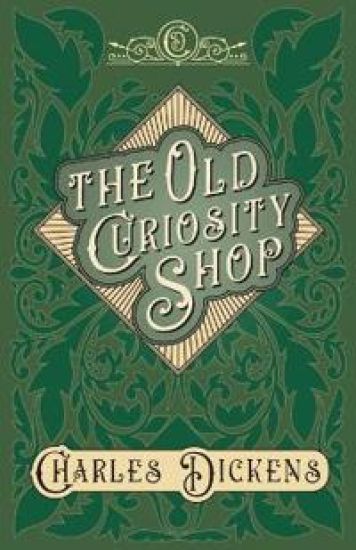
Originally published along with short stories in his weekly serial "Master Humphrey's Clock" from 1840 to 1841, "The Old Curiosity Shop" tells the tale of Nell Trent and her grandfather who both live in The Old Curiosity Shop in London. In an attempt to secure Nell's financial future, her grandfather dabbles with gambling but ends up losing it all. Convinced that Nell's grandfather has managed to save a small fortune for her, Nell's wastrel brother Frederick teams up with the insalubrious Quip to hunt the pair who have run away to the Midlands to live as beggars. Charles John Huffam Dickens (1812-1870) was an English writer and social critic famous for having created some of the world's most well-known fictional characters. His works became unprecedentedly popular during his life, and today he is commonly regarded as the greatest Victorian-era novelist. Although perhaps better known for such works as "Oliver Twist" or "A Christmas Carol", Dickens first gained success with the 1836 serial publication of "The Pickwick Papers", which turned him almost overnight into an international literary celebrity thanks to his humour, satire, and astute observations concerning society and character. This classic work is being republished now in a new edition complete with an introductory chapter from "Appreciations and Criticisms of the Works of Charles Dickens" by G. K. Chesterton.