Kirjojen hintavertailu – 12 903 725 kirjaa ja 27 kauppaa
Kirjailija
Charles Johnston
Kirjat ja teokset yhdessä paikassa: 105 kirjaa, julkaisuja vuosilta 2003–2026, suosituimpiin kuuluu Travels in Southern Abyssinia. Vertaile teosten hintoja ja tarkista saatavuus suomalaisista kirjakaupoista.
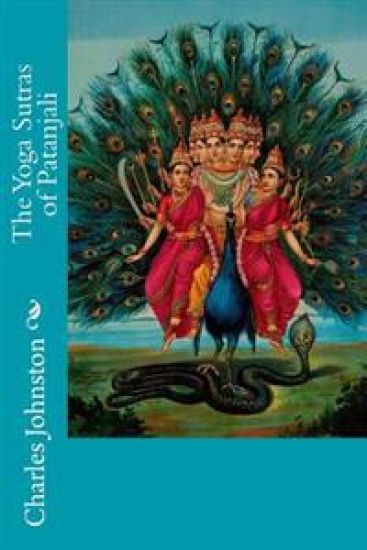
The Yoga Sutras of Patanjali was the most translated ancient Indian text in the medieval era, having been translated into about forty Indian languages and two non-Indian languages: Old Javanese and Arabic. The Hindu text fell into obscurity for nearly 700 years from the 12th to 19th century, and made a comeback in late 19th century due to the efforts of Swami Vivekananda. It gained prominence again as a comeback classic in the 20th century. The Yoga Sutras of Patanjali are 196 Indian sutras (aphorisms). The Yoga Sutras were compiled prior to 400 CE by Sage Patanjali, taking materials about yoga from older traditions. The Yoga Sutras of Patanjali was the most translated ancient Indian text in the medieval era, having been translated into about forty Indian languages and two non-Indian languages: Old Javanese and Arabic. David Gordon White points to a period of when the text fell into relative obscurity for nearly 700 years from the 12th to 19th century, and made a comeback in late 19th century due to the efforts of Swami Vivekananda, the Theosophical Society and others. It gained prominence again as a comeback classic in the 20th century. Before the 20th century, history indicates the Indian yoga scene was dominated by the Bhagavad Gita, Yoga Vasistha, texts attributed to Yajnavalkya and Hiranyagarbha, as well as literature on hatha yoga, tantric yoga and pashupata yoga rather than the Yoga Sutras of Patanjali. In the 20th century the western practitioners of yoga elevated the Yoga Sutras to a status it never knew previously. Hindu orthodox tradition holds the Yoga Sutras of Patanjali to be the foundational text of classical Yoga philosophy. However, the appropriation - and misappropriation - of the Yoga Sutras and its influence on later systematizations of yoga has been questioned by scholars such as David Gordon White.
The Yoga Sutras of Patanjali: The Book of the Spiritual Man is a comprehensive guide to the ancient Indian practice of yoga. Written by Charles Johnston, this book is a translation and commentary on the Yoga Sutras, a collection of 196 aphorisms that describe the philosophy and practice of yoga. The book is divided into four chapters, each of which focuses on a different aspect of yoga. The first chapter describes the nature of yoga and the obstacles that can prevent a person from achieving enlightenment. The second chapter outlines the practice of yoga, including the eight limbs of yoga, which include ethical principles, physical postures, breath control, and meditation. The third chapter discusses the powers that can be attained through yoga, such as clairvoyance and telepathy. The fourth and final chapter explores the concept of liberation, or the ultimate goal of yoga. Throughout the book, Johnston provides detailed explanations and interpretations of the Yoga Sutras. He also draws upon other sources, such as the Bhagavad Gita and the Upanishads, to provide a broader context for the teachings of yoga. Overall, The Yoga Sutras of Patanjali: The Book of the Spiritual Man is a valuable resource for anyone interested in the practice of yoga or the philosophy of Eastern spirituality. It offers a clear and accessible introduction to the Yoga Sutras, while also providing insights and guidance for more advanced practitioners. This Is A New Release Of The Original 1912 Edition. This scarce antiquarian book is a facsimile reprint of the old original and may contain some imperfections such as library marks and notations. Because we believe this work is culturally important, we have made it available as part of our commitment for protecting, preserving, and promoting the world's literature in affordable, high quality, modern editions, that are true to their original work.
The Crest Jewel Of Wisdom: And Other Writings Of Sankaracharya is a book that contains various writings of the Indian philosopher and theologian, Sankaracharya. The book is a collection of his most important works, including his commentary on the Bhagavad Gita, the Upanishads, and the Brahma Sutras. Sankaracharya was a prominent figure in the Advaita Vedanta school of Hindu philosophy, and his writings are considered to be some of the most influential in Indian intellectual history. The book provides a comprehensive overview of his teachings, including his ideas on the nature of reality, the self, and the relationship between the individual and the divine. The book is divided into several sections, each of which focuses on a different aspect of Sankaracharya's philosophy. The first section contains his commentary on the Bhagavad Gita, which is one of the most important Hindu scriptures. In this section, Sankaracharya explains the meaning of the text and provides insights into its deeper spiritual significance. The second section of the book contains Sankaracharya's commentary on the Upanishads, which are a collection of ancient Hindu texts that explore the nature of reality and the self. In this section, Sankaracharya provides a detailed analysis of the Upanishads and their teachings, and offers his own insights into their meaning. The third section of the book contains Sankaracharya's commentary on the Brahma Sutras, which are a series of aphorisms that summarize the teachings of the Upanishads. In this section, Sankaracharya provides a detailed explanation of the sutras and offers his own interpretation of their meaning. Overall, The Crest Jewel Of Wisdom: And Other Writings Of Sankaracharya is a comprehensive and insightful book that provides a deep understanding of one of the most important figures in Indian philosophy. It is an essential read for anyone interested in Hinduism, Advaita Vedanta, or Indian intellectual history. This is a new release of the original 1946 edition. This scarce antiquarian book is a facsimile reprint of the old original and may contain some imperfections such as library marks and notations. Because we believe this work is culturally important, we have made it available as part of our commitment for protecting, preserving, and promoting the world's literature in affordable, high quality, modern editions, that are true to their original work.