Kirjailija
Charles W. Chesnutt
Kirjat ja teokset yhdessä paikassa: 127 kirjaa, julkaisuja vuosilta 1968–2026, suosituimpiin kuuluu Graphic Classics Volume 22: African-American Classics. Vertaile teosten hintoja ja tarkista saatavuus suomalaisista kirjakaupoista.
Nimi esiintyy myös muodoissa: Charles W Chesnutt
127 kirjaa
Kirjojen julkaisuvuodet: 1968–2026.
Reproduction of the original: The Marrow of Tradition by Charles W. Chesnutt
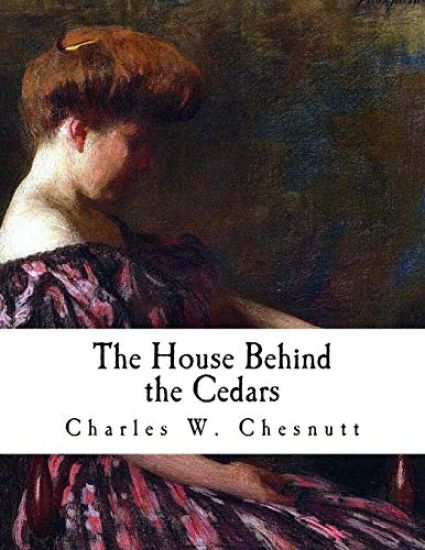
Reproduction of the original: The House behind the Cedars by Charles W. Chesnutt
The House Behind the Cedars
Charles W. Chesnutt
Createspace Independent Publishing Platform
2018
nidottu
The House Behind the Cedars by Charles W. Chesnutt. The House Behind the Cedars is the first novel by American author Charles W. Chesnutt. It was published in 1900 by Houghton, Mifflin and Company. The story occurs in the southern American states of North and South Carolina a few years following the American Civil War. Rena Walden, a young woman of mixed white and black ancestry, leaves home to join her brother, who has migrated to a new city, where he lives as a white man. Following her brother's lead, Rena begins living as a white woman. The secret of her identity leads to conflict when she falls in love with a white aristocrat who learns the truth of her heredity. The ensuing drama emphasizes themes of interracial relations and depicted the intricacies of racial identity in the American south.
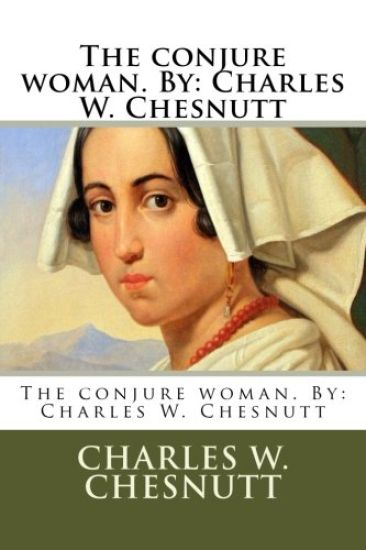
The conjure woman. By: Charles W. Chesnutt
Charles W. Chesnutt
Createspace Independent Publishing Platform
2018
nidottu
The House Behind the Cedars
Charles W. Chesnutt
Createspace Independent Publishing Platform
2017
nidottu
The House Behind the Cedars By Charles W. Chesnutt
The Marrow of Tradition
Charles W. Chesnutt
Createspace Independent Publishing Platform
2017
nidottu
The Marrow of Tradition By Charles W. Chesnutt
Full text. This collection of short stories is first Chesnutt's book and an important work of African American literature. The seven stories deal with the racial issues facing the South after the war, often through the comments of the character of Uncle Julius McAdoo. A freed slave, he tells the stories to John and Annie, a white couple from the North, who are visiting in their search for property, as they are thinking of moving south (because of Annie's health) and of buying an old plantation in "Patesville", North Carolina. Uncle Julius's stories are derived from African-American folk tales and include many supernatural occurrences built around hoodoo conjuring traditions. They are less idealistic and romanticized than John's understanding of Southern culture. They tell of black resistance to and revenge against white culture. The stories' basis in folk traditions earned publication of the collection. Chesnutt had originally submitted a proposed collection that included only two or three conjure tales, but the editors felt that these were the best and most innovative part of the collection. They asked him to write more in order to have enough for a full book.
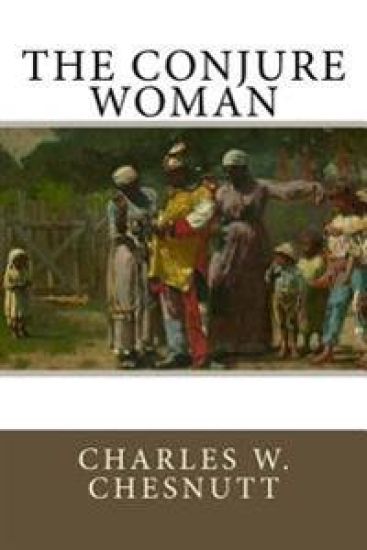
The Conjure Woman is an 1899 collection of short stories by American writer Charles W. Chesnutt. It is Chesnutt's first book, and an important work of African American literature. The seven stories deal with the racial issues facing the South after the war, often through the comments of the character of Uncle Julius McAdoo. A freed slave, he tells the stories to John and Annie, a white couple from the North, who are visiting in their search for property, as they are thinking of moving south (because of Annie's health) and of buying an old plantation in "Patesville", North Carolina. Uncle Julius's stories are derived from African-American folk tales and include many supernatural occurrences built around hoodoo conjuring traditions. They are less idealistic and romanticized than John's understanding of Southern culture. They tell of black resistance to and revenge against white culture
The Marrow of Tradition
Charles W. Chesnutt
Createspace Independent Publishing Platform
2017
nidottu
We alighted from the buggy, walked about the yard for a while, and then wandered off into the adjoining vineyard. Upon Annie's complaining of weariness I led the way back to the yard, where a pine log, lying under a spreading elm, afforded a shady though somewhat hard seat. One end of the log was already occupied by a venerable-looking colored man. He held on his knees a hat full of grapes, over which he was smacking his lips with great gusto, and a pile of grapeskins near him indicated that the performance was no new thing. We approached him at an angle from the rear, and were close to him before he perceived us. He respectfully rose as we drew near, and was moving away, when I begged him to keep his seat. "Don't let us disturb you," I said.