
Kirjojen hintavertailu – 12 859 828 kirjaa ja 27 kauppaa

Kirjailija

Damian Grimshaw

Kirjat ja teokset yhdessä paikassa: 6 kirjaa, julkaisuja vuosilta 1997–2016, suosituimpiin kuuluu Managing Employment Change. Vertaile teosten hintoja ja tarkista saatavuus suomalaisista kirjakaupoista.

6 kirjaa

Kirjojen julkaisuvuodet: 1997–2016.

Managing Employment Change

Managing Employment Change

Huw Beynon; Damian Grimshaw; Jill Rubery; Kevin Ward

Oxford University Press
2002
sidottu
This book looks at how large organizations have managed and adapted to changing conditions of employment shaped by the recent economic and political environment. Additional data are presented based on evidence from other significant actors such as agency employment firms and trade unions. The book also engages with important North American debates on the changing nature of work, careers, and employment.

Managing Employment Change

Managing Employment Change

Huw Beynon; Damian Grimshaw; Jill Rubery; Kevin Ward

Oxford University Press
2002
nidottu
This title looks at how large organizations have managed and adapted to changing conditions of employment shaped by economic and political environment. The book also engages with important North American debates on the changing nature of work, careers, and employment.
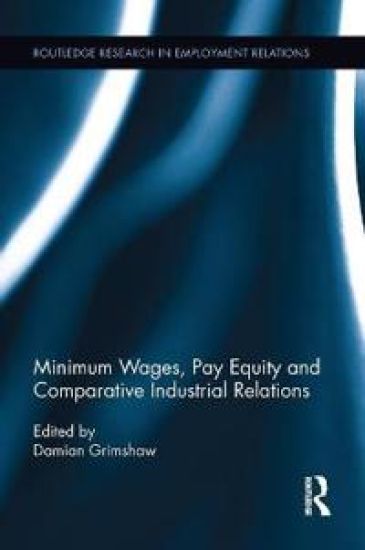
Minimum Wages, Pay Equity, and Comparative Industrial Relations
With growing concern about the conditions facing low wage workers and new challenges to traditional forms of labor market protection, this book offers a timely analysis of the purpose and effectiveness of minimum wages in different European countries. Building on original industry case studies, the analysis goes beyond general debates about the relative merits of labor market regulation to reveal important national differences in the functioning of minimum wage systems and their integration within national models of industrial relations. There is no universal position on minimum wage policy followed by governments and social partners. Nor is it true that trade unions consistently support minimum wages and employers oppose them. The evidence in this book shows that interests and objectives change over time and differ across industries and countries. Investigating the pay bargaining strategies of unions and employers in cleaning, security, retail, and construction, this book’s industry case studies show how minimum wage policy interacts with collective bargaining to produce different types of pay equity effects. The analysis provides new findings of ‘ripple effects’ shaped by trade union strategies and identifies key components of an ‘egalitarian pay bargaining approach’ in social dialogue. The lessons for policy are to embrace an inter-disciplinary approach to minimum wage analysis, to be mindful of the interconnections with the changing national systems of industrial relations, and to interrogate the pay equity effects.
The Organisation of Employment

The Organisation of Employment

Jill Rubery; Damian Grimshaw

Red Globe Press
2002
nidottu
The Organisation of Employmentexplores the diversity in the organisation of employment among advanced industrial societies. It focuses on the implications of distinctive employment systems for international competitiveness, organisational performance and social divisions and considers the impact of globalisation on the sustainability of such diversity. Ideal for final year undergraduate and postgraduate students of international business and human resource management, The Organisation of Employmentprovides a stimulating and wide ranging examination of this dynamic subject
Women and European Employment

Women and European Employment

Colette Fagan; Damian Grimshaw; Jill Rubery; Mark Smith

Routledge
1997
sidottu
This is the first comprehensive and up-to-date study of the contribution of women and men to changing European economic activity patterns covering all fifteen member states. Based on the work of the European Commission's network of experts on women's employment, it draws on both national and European data sources. The book links trends in the structures of employment with new comparative data on the role of systems of welfare provision in order to explore economic activity patterns by gender. Participation patterns of women still vary widely within Europe, so much attention is paid to the institutions - both in the labour market and welfare - which help to explain these variations.