Kirjojen hintavertailu – 12 859 828 kirjaa ja 27 kauppaa
Kirjailija
David S. Shields
Kirjat ja teokset yhdessä paikassa: 8 kirjaa, julkaisuja vuosilta 1990–2025, suosituimpiin kuuluu Nat Fuller: 1812-1866 From Slavery to Artistry: The Life and Work of the "Presiding Genius" of Charleston Cuisine. Vertaile teosten hintoja ja tarkista saatavuus suomalaisista kirjakaupoista.
Delve into the rich history of Georgia's signature foods "Taste the State Georgia and the regional foods within it can be a source of pride for people and communities.... This book will prepare you for your next Georgian culinary adventure and give you a bit of history on why southerners eat what they eat." - Mashama Bailey, chef and owner of The Grey, Savannah
The Ark of Taste is a living catalogue of our nation's food heritage preserving treasures passed down for generations-some rare, some endangered, all delicious. Created by Slow Food USA, the Ark shines light on history, identity, and taste through these unique food products, featuring recipes and the stories of how they reach our tables In these pages you'll learn about:* Carolina Gold rice* Wellfleet oysters* Cherokee Purple tomatoes* The Moon and Stars watermelon* Black Republican cherries* Candy Roaster squash, and moreThese foods reflect our country's diversity. By championing them, we keep them in production and on our plates, while promoting a more equitable alternative to industrial agriculture. The Ark of Taste is a vital resource for all of us who spend the summer searching for that perfectly ripe peach or heirloom tomato-or who are simply looking for the next good thing to eat.
From the influence of 1920s fashion on asparagus growers to an heirloom watermelon lost and found, Taste the State abounds with surprising stories from South Carolina's singularly rich food tradition. Here, Kevin Mitchell and David S. Shields present engaging profiles of eighty-two of the state's most distinctive ingredients, such as Carolina Gold rice, Sea Island White Flint corn, and the cone-shaped Charleston Wakefield cabbage, and signature dishes, such as shrimp and grits, chicken bog, okra soup, Frogmore stew, and crab rice. These portraits, illustrated with original photographs and historical drawings, provide origin stories and tales of kitchen creativity and agricultural innovation; historical "receipts" and modern recipes, including Chef Mitchell's distillation of traditions in Hoppin' John fritters, okra and crab stew, and more. Because Carolina cookery combines ingredients and cooking techniques of three greatly divergent cultural traditions, there is more than a little novelty and variety in the food. In Taste the State Mitchell and Shields celebrate the contributions of Native Americans (hominy grits, squashes, and beans), the Gullah Geechee (field peas, okra, guinea squash, rice, and sorghum), and European settlers (garden vegetables, grains, pigs, and cattle) in the mixture of ingredients and techniques that would become Carolina cooking. They also explore the specialties of every region—the famous rice and seafood dishes of the lowcountry; the Pee Dee's catfish and pinebark stews; the smothered cabbage, pumpkin chips, and mustard-based barbecue of the Dutch Fork and Orangeburg; the red chicken stew of the midlands; and the chestnuts, chinquapins, and corn bread recipes of mountain upstate. Taste the State presents the cultural histories of native ingredients and showcases the evolution of the dishes and the variety of preparations that have emerged. Here you will find true Carolina cooking in all of its cultural depth, historical vividness, and sumptuous splendor—from the plain home cooking of sweet potato pone to Lady Baltimore cake worthy of a Charleston society banquet.
He presided over Virginia's great political barbeques for the last half of the nineteenth century, taught the young Prince of Wales to crave mint juleps in 1859, catered to Virginia's mountain spas, and fed two generations of Richmond epicures with terrapin and turkey. This fascinating culinarian is John Dabney (1821-1900), who was born a slave, but later built an enterprising catering business. Dabney is just one of 175 influential cooks and restaurateurs profiled by David S. Shields in The Culinarians, a beautifully produced encyclopedic history of the rise of professional cooking in America from the early republic to Prohibition. Shields's concise biographies include the legendary Julien, founder in 1793 of America's first restaurant, Boston's Restorator; and Louis Diat and Oscar of the Waldorf, the men most responsible for keeping the ideal of fine dining alive between the World Wars. Though many of the gastronomic pioneers gathered here are less well known, their diverse influence on American dining should not be overlooked plus, their stories are truly entertaining. We meet an African American oyster dealer who became the Congressional caterer, and, thus, a powerful broker of political patronage; a French chef who was a culinary savant of vegetables and drove the rise of California cuisine in the 1870s; and a rotund Philadelphia confectioner who prevailed in a culinary contest with a rival in New York by staging what many believed to be the greatest American meal of the nineteenth century. He later grew wealthy selling ice cream to the masses. Shields also introduces us to a French chef who brought haute cuisine to wealthy prospectors and a black restaurateur who hosted a reconciliation dinner for black and white citizens at the close of the Civil War in Charleston. Altogether, Culinarians is a delightful compendium of charcuterie-makers, pastry-pipers, caterers, railroad chefs, and cooking school matrons not to mention drunks, temperance converts, and gangsters who all had a hand in creating the first age of American fine dining and its legacy of conviviality and innovation that continues today.
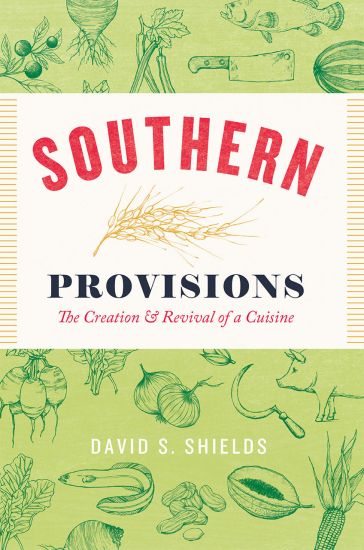
Southern food is America's quintessential cuisine. From creamy grits to simmering pots of beans and greens, we think we know how these classic foods should taste. Yet the southern food we eat today tastes almost nothing like the dishes our ancestors enjoyed, because the varied crops and livestock that originally defined this cuisine have largely disappeared. Now a growing movement of chefs and farmers is seeking to change that by recovering the rich flavor and diversity of southern food. At the center of that movement is historian David S. Shields, who has spent over a decade researching early American agricultural and cooking practices. In Southern Provisions, he reveals how the true ingredients of southern cooking have been all but forgotten and how the lessons of its current restoration and recultivation can be applied to other regional foodways. Shields's turf is the southern Lowcountry, from the peanut patches of Wilmington, North Carolina to the sugarcane fields of the Georgia Sea Islands and the citrus groves of Amelia Island, Florida. He takes us on a historical excursion to this region, drawing connections among plants, farms, growers, seed brokers, vendors, cooks, and consumers over time. Shields begins by looking at how professional chefs during the nineteenth century set standards of taste that elevated southern cooking to the level of cuisine. He then turns to the role of food markets in creating demand for ingredients and enabling conversation between producers and preparers. Next, his focus shifts to the field, showing how the key ingredients rice, sugarcane, sorghum, benne, cottonseed, peanuts, and citrus emerged and went on to play a significant role in commerce and consumption. Shields concludes with a look at the challenges of reclaiming both farming and cooking traditions. From Carolina Gold rice to white flint corn, the ingredients of authentic southern cooking are returning to fields and dinner plates, and with Shields as our guide, we can satisfy our hunger both for the most flavorful regional dishes and their history.
Southern food is America's quintessential cuisine. From creamy grits to simmering pots of beans and greens, we think we know how these classic foods should taste. Yet the southern food we eat today tastes almost nothing like the dishes our ancestors enjoyed because the varied crops and livestock that originally defined this cuisine have largely disappeared. Now, a growing movement of chefs and farmers is seeking to change that by recovering the flavor and diversity of southern food. At the center of that movement is historian David S. Shields. In Southern Provisions, he reveals how the true ingredients of southern cooking have been all but forgotten and how the lessons of its current restoration and recultivation can be applied to other regional foodways. Shields' turf is the southern Lowcountry, from the peanut patches of Wilmington, North Carolina, to the sugarcane fields of the Georgia Sea Islands and the citrus groves of Amelia Island, Florida, and he takes us on an excursion to this region in order to offer a vivid history of southern foodways. Shields begins by looking at how professional chefs during the nineteenth century set standards of taste that elevated southern cooking to the level of cuisine. He then turns to the role of food markets in creating demand for ingredients and enabling conversation between producers and preparers. Next, his focus shifts to the field, showing how the key ingredients-rice, sugarcane, sorghum, benne, cottonseed, peanuts, and citrus - emerged and went on to play a significant role in commerce and consumption. Shields concludes with a look at the challenges of reclaiming both farming and cooking traditions. From Carolina gold rice to white flint corn, the ingredients of authentic southern cooking are returning to fields and dinner plates, and with Shields as our guide, we can satisfy our hunger both for the most flavorful regional dishes and their history.
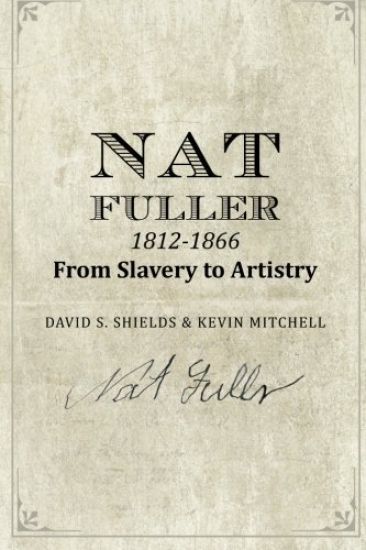
In the 1840s a culinary genius emerged in Charleston, S. C. Nat Fuller, a slave, trained by the free black pastry chef Eliza Seymour Lee, became the foremost private chef in the antebellum city. In the 1850s he negotiated a kind of semi-liberty from his master, financier William C. Gatewood, and with his master's aid became superintendent of the city's game market, Charleston's foremost caterer of public events, and finally Charleston's greatest restaurateur. His eating-house, the Bachelor's Retreat, became a temple of fine dining during the Civil War. At the end of the Civil War he hosted a banquet that brought whites and blacks together as his guests. On the 150th Anniversary of that visionary event, this life and culinary repertoire are reconstructed in this narrative. The unusual circumstances that permitted an enslaved African-American to become a celebrated culinary artist, indeed the greatest slave cook in the Civil War-era South, are recalled and his contributions to an extraordinary dynasty of African American cooks in Charleston that shaped the city's cuisine from the end of the 18th-century to the First World War documented.
This innovative look at previously neglected poetry in British America represents a major contribution to our understanding of early American culture. Spanning the period from the Glorious Revolution (1690) to the end of King George's War (1750), this study critically reconstitutes the literature of empire in the thirteen colonies, Canada, and the West Indies by investigating over 300 texts in mixed print and manuscript sources, including poems in pamphlets and newspapers. British America's poetry of empire was dominated by three issues: mercantilism's promise that civilization and wealth would be transmitted from London to the provinces; the debate over the extent of metropolitan prerogatives in law and commerce when they obtruded upon provincial rights and interests; and the argument that Britain's imperium pelagi was an ethical empire, because it depended upon the morality of trade, while the empires of Spain and France were immoral empires because they were grounded upon conquest. In discussing these issues, Shields provides a virtual anthology of poems long lost to students of American literature.